English
  Albanian

Most women have experienced menstrual pain at least once. For some, it is a mild discomfort that passes with a simple painkiller. For others, the days of the menstrual cycle turn into a very difficult period, with severe pain that interferes with work, studies and daily life.
But how do we distinguish the line between "normal pain" and that which requires medical evaluation?
When the pain becomes severe, lasts longer than usual, is accompanied by menstrual irregularities, increased bleeding, or other symptoms, the body is giving a signal that should not be ignored.
At Family Hospital, the specialized gynecology team helps you understand the source of your pain and get the right treatment. Book a gynecological visit with Dr. Kloida Zaimi for a professional consultation.

What are menstrual cramps?
Menstrual cramps occur when the uterus contracts to shed its lining during menstruation. These contractions are caused by substances called prostaglandins.
In many cases, this is a normal part of the menstrual cycle. But the intensity of the pain varies from one woman to another.
When is pain considered “normal”?
Pain can be considered within normal limits when:
- appears 1–2 days before or during the first few days of the cycle,
- is manageable with mild sedatives,
- does not interfere with daily activities,
- It is not accompanied by other troubling symptoms.
Signs that indicate you need to have a gynecological visit
Definitely seek medical evaluation if:
- the pain is very strong and unbearable,
- lasts more than 3 days,
- you have very heavy bleeding,
- the menstrual cycle has become irregular,
- the pain is accompanied by nausea, vomiting, fainting,
- The pain appears suddenly after the age of 25–30.
These may be signs of gynecological problems that require accurate diagnosis and treatment.
What could be the causes of severe menstrual pain?
Severe menstrual pain may be related to:
Endometriosis
One of the most common causes is endometriosis. Endometriosis is a condition in which uterine tissue grows outside the uterus, causing severe pain before and during menstruation, as well as during sexual intercourse. This condition is often accompanied by heavier bleeding than usual and in some cases can also affect fertility.
Ovarian cysts
also ovarian cysts can cause pain. These formations in the ovaries can cause sharp pain, a feeling of heaviness in the lower abdomen, and menstrual cycle disorders. Depending on their size and type, they may require specialized follow-up or treatment.
Uterine fibroids
Another cause is uterine fibroids, benign masses that develop in the walls of the uterus. They often increase the intensity of pain, prolong the days of the cycle, and can cause heavier than normal bleeding, also leading to anemia and chronic fatigue.
Gynecological infections
Pain can also be associated with vaginal infections, which are usually accompanied by other symptoms such as abnormal secretions, burning or itching. In these cases, early treatment is essential to avoid complications.
Hormonal disorders
Hormonal imbalances also play a role. Problems with the thyroid, prolactin, or other hormones can directly affect the regularity of your cycle and your pain levels. These changes are often accompanied by mood swings, weight gain or loss, and constant fatigue.
👉 Read more: When should you have thyroid tests?
Only a gynecological visit combined with an ultrasound can give the correct answer!
How is the diagnosis made?
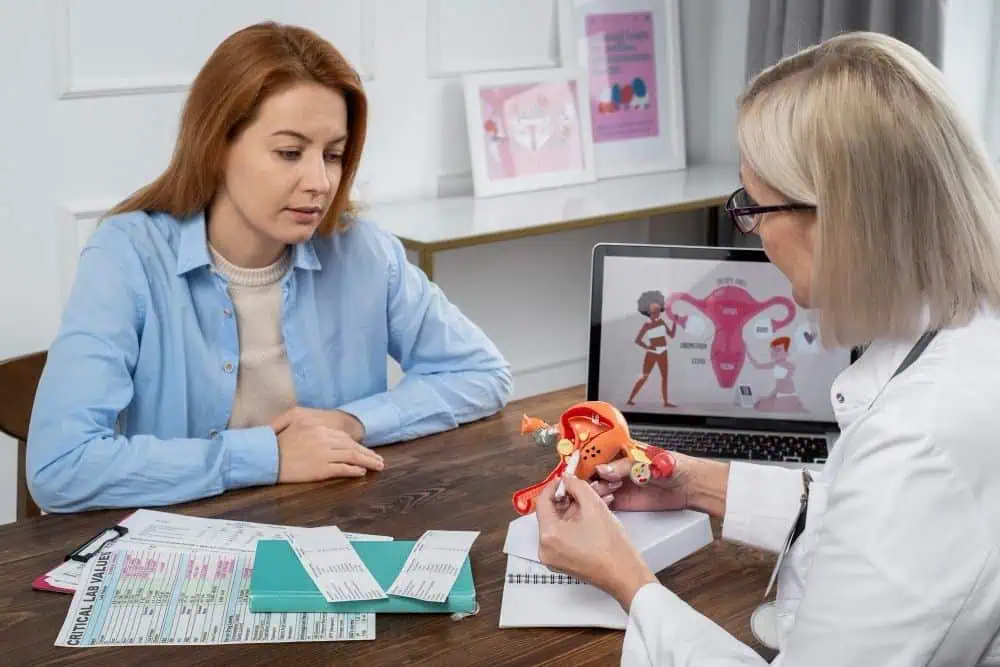
At Family Hospital, the diagnosis of severe menstrual pain is carried out through a complete and personalized assessment for each patient. The first step is a detailed conversation with the gynecologist, where the symptoms, their duration, the intensity of the pain and the impact they have on daily life are taken into account. This conversation helps to better understand the health history and to orient further examinations.
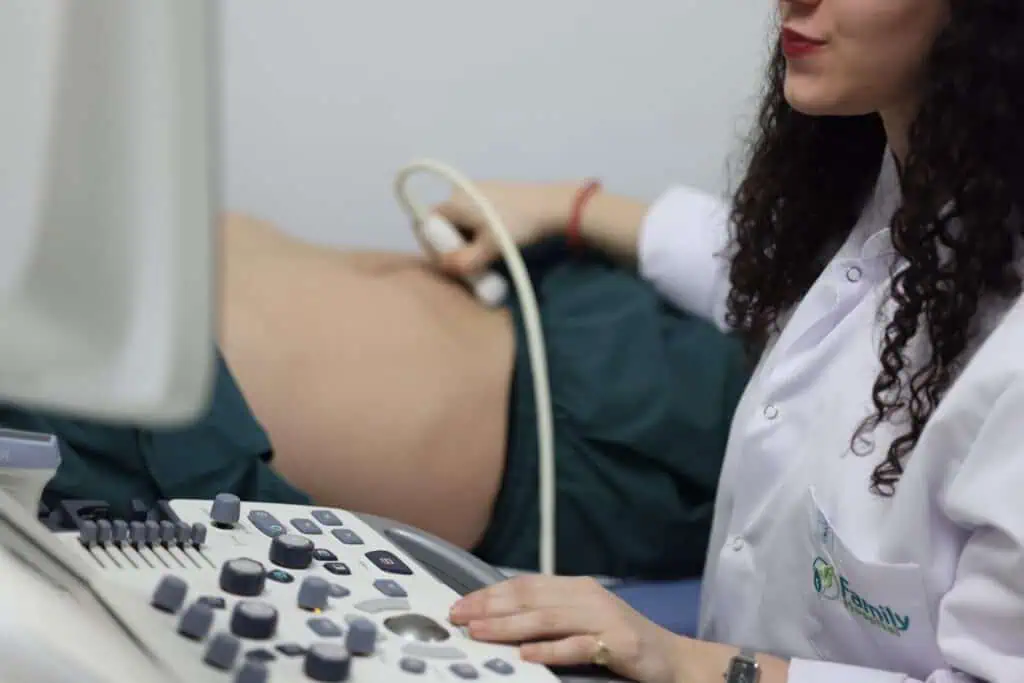
Then, a gynecological examination is performed, which allows the doctor to assess the condition of the reproductive organs and identify possible signs of inflammation, infection or structural changes. A very important role is also played by gynecological ultrasound, a safe and painless method that helps detect cysts, fibroids, signs of endometriosis or other problems that may be a source of pain.
Depending on the case, hormonal tests or additional examinations may also be recommended to evaluate thyroid function, ovaries, and overall hormonal balance. These tests are essential to distinguish whether the pain is functional in nature, related to the menstrual cycle, or if there is a cause that requires specific treatment.
This integrated and professional approach helps Family Hospital doctors reach an accurate diagnosis and propose the most appropriate therapy for each woman, aiming not only to relieve pain, but also to maintain long-term gynecological health.
Should you accept pain as “normal”?
No. No woman should have to live with severe pain every month thinking that "this is normal." Modern medicine offers many solutions:
- personalized drug treatments,
- hormonal adjustment when needed,
- treatment of infections,
- monitoring of pathologies such as endometriosis or ovarian cysts.
What can you do before your visit?
Some measures may help temporarily with pain management:
applying heat to the abdomen,
good hydration,
light food rich in magnesium,
avoiding caffeine and salt on cycle days,
light physical activity.
But these do not replace medical evaluation when the pain is severe.

Specialized care at Family Hospital
At Family Hospital, the Department of Obstetrics and Gynecology is dedicated to providing the highest quality medical care, based on modern protocols and a humane approach.
Dr. Kloida Zaimi – Specialist Gynecologist at Family Hospital
- He completed his specialization at the renowned University of Medicine and Pharmacy "Carol Davila" in Bucharest, Romania.
- Experienced and with a demonstrated history of working in the hospital and healthcare industry.
- Outstanding in clinical research, medical education and Healthcare Management.
Together with the department staff, Dr. Kloida Zaimi, pursues obstetric and gynecological research by implementing the most innovative methods of diagnosis and treatment.
Our educational and research activities provide a solid foundation for a wide range of clinical services and reflect our mission to improve women's health throughout all stages of life.
If pain is affecting your life, don't wait months and months hoping it will go away on its own. A simple visit can reveal the cause and significantly improve your quality of life.
The Family Hospital team is at your service for accurate diagnosis, professional treatment, and special care for your gynecological health.