English
  Albanian

Vaginal infections are one of the most common health problems that affect many women of all ages. Although they are often treated as a minor inconvenience, they can significantly affect your physical and emotional well-being. In this blog, we will talk about the causes, symptoms, and ways to treat vaginal infections.

What are vaginal infections?
The vagina is a very sensitive area that has a natural balance of different microorganisms living in it. These microorganisms consist mainly of good bacteria, such as Lactobacillus, which maintain an acidic environment that helps prevent the growth of harmful bacteria or fungi.
Vaginal infections occur when this natural balance is disrupted and microorganisms that are normally in small numbers grow uncontrollably, causing inflammation and other symptoms.
The most common types of vaginal infections

1. Bacterial vaginosis
Bacterial vaginosis is one of the most common vaginal infections that occurs when the natural balance of bacteria in the vagina is disrupted. Specifically, the beneficial bacteria Lactobacillus are replaced by harmful bacteria such as Gardnerella vaginalis, etc. This leads to a change in vaginal pH and causes inflammation.
Typical symptoms include a thin, gray or white discharge with a characteristic odor, often described as “fishy.” Although bacterial vaginosis often does not cause severe itching, some women may experience mild irritation and a burning sensation.
Bacterial vaginosis is not considered a sexually transmitted disease, but sexual activity can affect the balance of microflora. For this reason, treatment must be completed in full to avoid the infection returning.
2. Vaginal candidiasis (fungal infection)
Vaginal candidiasis is caused by an overgrowth of the fungus Candida albicans, which normally occurs as part of the body's natural microflora. When the balance of good bacteria is disrupted, Candida can overgrow and cause infection.
This infection manifests itself with severe itching, redness, and swelling of the vaginal area and labia. The discharge is thick, white, and resembles the texture of yogurt, making this problem distinguishable from other infections.
In addition to itching, women often complain of pain during sexual intercourse and a burning sensation during urination. Candidiasis is especially common after using antibiotics, during pregnancy, or in people with diabetes.
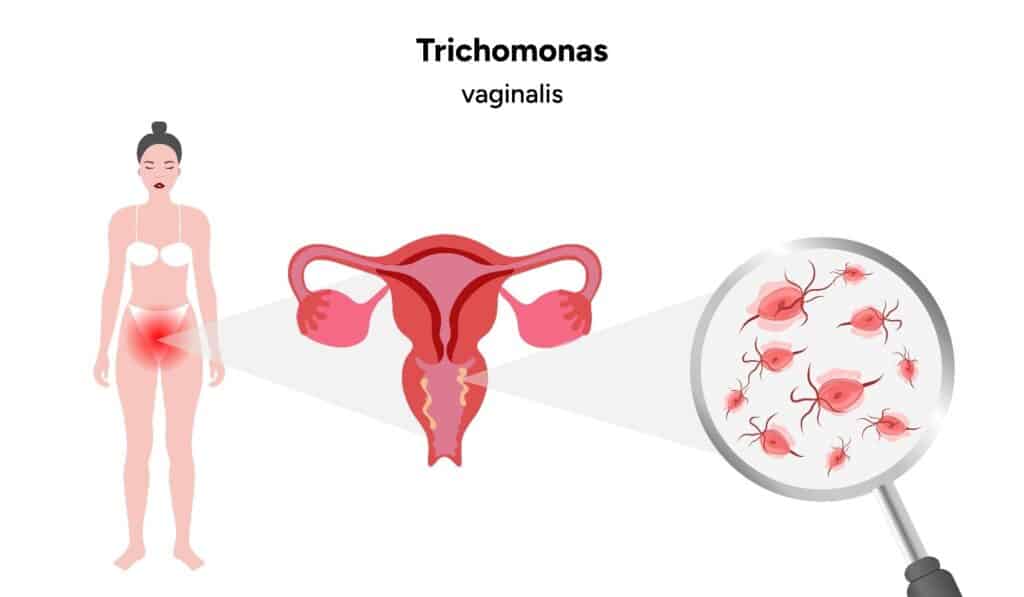
3. Trichomoniasis
Trichomoniasis is a sexually transmitted infection caused by the parasite Trichomonas vaginalis. This infection affects the vaginal area and urinary tract and is very common, especially among sexually active women.
The most common symptoms include a yellow-green discharge with a strong, unpleasant odor. Women also experience itching, burning, and redness in the intimate area, as well as pain during urination or sexual intercourse.
Because it is a sexually transmitted infection, it is important to treat not only the patient, but also the partner, to avoid recurrence of the infection.
How do you know what type of vaginal infection you have?
Vaginal infections are common and have similar symptoms, but their origin can be very different: bacterial, fungal, or parasitic. Below we present a simple comparison between the three most common types of infections.
| Characteristics | Bacterial vaginosis | Vaginal candidiasis | Trichomoniasis |
| cause | Harmful bacteria (e.g. Gardnerella vaginalis) | Candida albicans fungus | The parasite Trichomonas vaginalis |
| Color of secretions | White or gray, thin | White, thick like yogurt | Yellow-green, foamy |
| wind | Strong "fishy" smell | Usually odorless | Very unpleasant smell |
| Itching/Irritation | Easy or missing | Intense itching and redness | Present and often strong |
| Pain during urination | Rarely | It can happen. | yes |
| Burning sensation | ever | yes | yes |
| Pain during intercourse | Rarely | yes | yes |
| Sexually transmitted | Not directly, but is affected by sexual activity | not | Yes, it's an STI. |
| Typical treatment | Antibiotics (metronidazole or clindamycin) | Antifungals (topical or oral) | Antiparasitic (usually metronidazole) |
What to do if you suspect you have a vaginal infection?
- Do not take medications without a prescription. The appropriate treatment can only be selected after a consultation and appropriate tests.
- Visit a gynecologist, who may request an examination of the vaginal secretions.
- Treatment varies according to the cause: antibiotics for bacterial/parasitic infections and antifungals for fungi.
- Use protection during sexual intercourse and avoid using aggressive soaps in the intimate area.
Factors that increase the risk of vaginal infections
Knowing the factors that influence the development of vaginal infections helps greatly in preventing them.
One of the main factors is the use of antibiotics for long periods, which, although they cure other diseases, disrupt the balance of good bacteria and allow harmful fungi or bacteria to multiply.
Also, using products rich in chemicals, such as strong soaps, deodorants, or intimate area cleansers, can irritate the vaginal mucosa and disrupt the natural microflora. Therefore, it is best to choose fragrance-free and non-irritating products.
Sexual relations with different partners, or the lack of use of protection, also increase the risk of infections, due to exposure to different microorganisms.
Hormonal changes that occur during pregnancy, menopause, or the use of hormonal contraceptives affect vaginal pH and can favor the development of infections.
Additionally, chronic diseases such as diabetes weaken the immune system and affect the body's ability to fight infections. Stress and excessive fatigue also affect the immune system, making the body more vulnerable to infections.

Treatment of vaginal infections
Choosing the right treatment is essential for complete recovery and preventing the infection from returning. In the case of candidiasis, antifungal medications are the standard of treatment and can be taken in the form of vaginal creams, suppositories, or oral tablets.
It is very important that patients use medications according to their doctor's instructions and not discontinue treatment if symptoms resolve early.
For bacterial vaginosis, antibiotics are used to treat the harmful bacteria. These medications can be taken orally or topically. Your doctor will usually recommend the most appropriate treatment based on lab tests.
Parasitic infections, such as trichomoniasis, are treated with antiparasitic drugs such as metronidazole. In this case, it is very important to treat the sexual partner as well, to prevent recurrence of the infection.
If the infection is viral, as in the case of genital herpes, treatment focuses on controlling symptoms and using antiviral medications. These cases require specialized care.
Prevention of vaginal infections
Prevention is always better than treatment, so daily care for intimate hygiene is essential to avoid vaginal infections.
One of the easiest ways to do this is to use warm water and mild, non-irritating soaps. Products with strong fragrances or chemicals can irritate the delicate vaginal mucosa and disrupt the natural balance of microorganisms.
Also, wearing cotton clothes and avoiding very tight clothing helps to ventilate the intimate area. Ventilation is important because moisture and tightness create a favorable environment for the growth of bacteria and fungi.
After activities such as swimming, it is advisable to immediately change wet clothes to prevent the growth of microorganisms in the intimate area.
Also, using protective methods during sexual intercourse is very important to avoid sexually transmitted infections.
A diet rich in vitamins and sufficient water consumption help strengthen the immune system, making the body better able to defend itself against infections.
If you are using antibiotics, discuss with your doctor the possibility of using probiotics that protect the natural microflora of the vagina.

When should you seek medical help?
It is very important to recognize when symptoms are no longer just a minor inconvenience, but signal a more serious problem. If your symptoms do not improve after a few days of treatment or worsen, you should contact your doctor immediately.
If you have severe pain, unusual bleeding, or fever, this could be a sign of a more serious infection that requires urgent evaluation.
Also, if you are pregnant and have symptoms of a vaginal infection, seek medical help without delay, because infections can affect the development of the fetus.
Never neglect such concerns, as early treatment prevents complications and recurrence of infections!
cONcluSiON
Vaginal infections are frequent and common problems, but with proper knowledge, treatment, and ongoing care, they can be avoided and managed successfully.
Do not hesitate to book a gynecological visit whenever you have doubts or concerns, because accurate diagnosis is the key to effective treatment.
Frequently Asked Questions about Vaginal Infections
What is a vaginal infection?
A vaginal infection occurs when the balance of the natural microflora of the vagina is disrupted, allowing the growth of bacteria, fungi or parasites that cause symptoms such as itching, burning, discharge or unpleasant odor.
What are the most common types of vaginal infections?
The three most common forms are candidiasis (a yeast infection), bacterial vaginosis, and trichomoniasis (a sexually transmitted infection). Each has different causes and treatments.
Are all vaginal infections sexually transmitted?
No. Only some infections, such as trichomoniasis, are sexually transmitted. Others, such as candidiasis or bacterial vaginosis, can occur even without sexual contact.
How can I tell if I have a vaginal infection?
The most common symptoms include: itching, burning, unusual discharge (white, yellow or green), strong vaginal odor and sometimes pain during urination or sexual intercourse.
Can vaginal infections be treated without a prescription?
It is always best to consult a doctor to ensure proper diagnosis and treatment, as symptoms can be confused with each other.
Do antibiotics affect the development of vaginal infections?
Yes. Frequent or prolonged use of antibiotics can damage the good bacteria that protect the vagina, creating favorable conditions for the development of infections such as candidiasis.
Does diet affect vaginal health?
Yes. A diet rich in probiotics (like natural yogurt) and low in sugars can help maintain a healthy vaginal microflora and prevent infections.