English
  Albanian

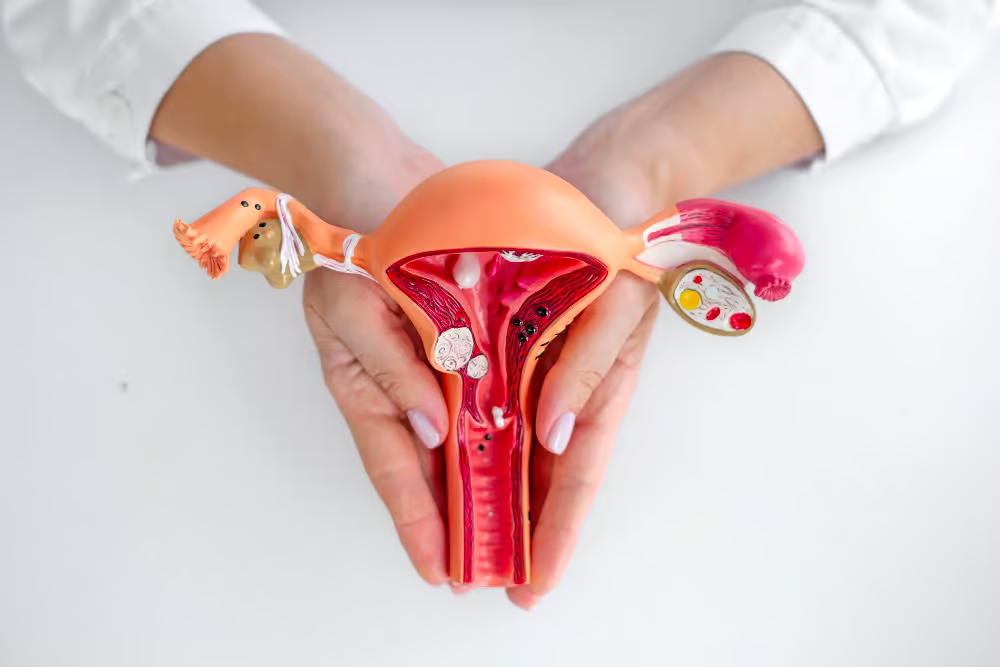
Endometriosis is a chronic and often painful condition that affects millions of women worldwide. It occurs when tissue similar to the lining of the uterus (endometrium) grows outside the uterus, in areas where it shouldn't be. This tissue responds to the menstrual cycle in the same way as tissue inside the uterus: it thickens, bleeds, and irritates the surrounding areas, causing pain, inflammation, and sometimes cysts.
At Family Hospital, we provide accurate diagnosis, personalized treatment, and long-term care for patients with endometriosis, with the aim of restoring quality of life and well-being.
What is endometriosis?
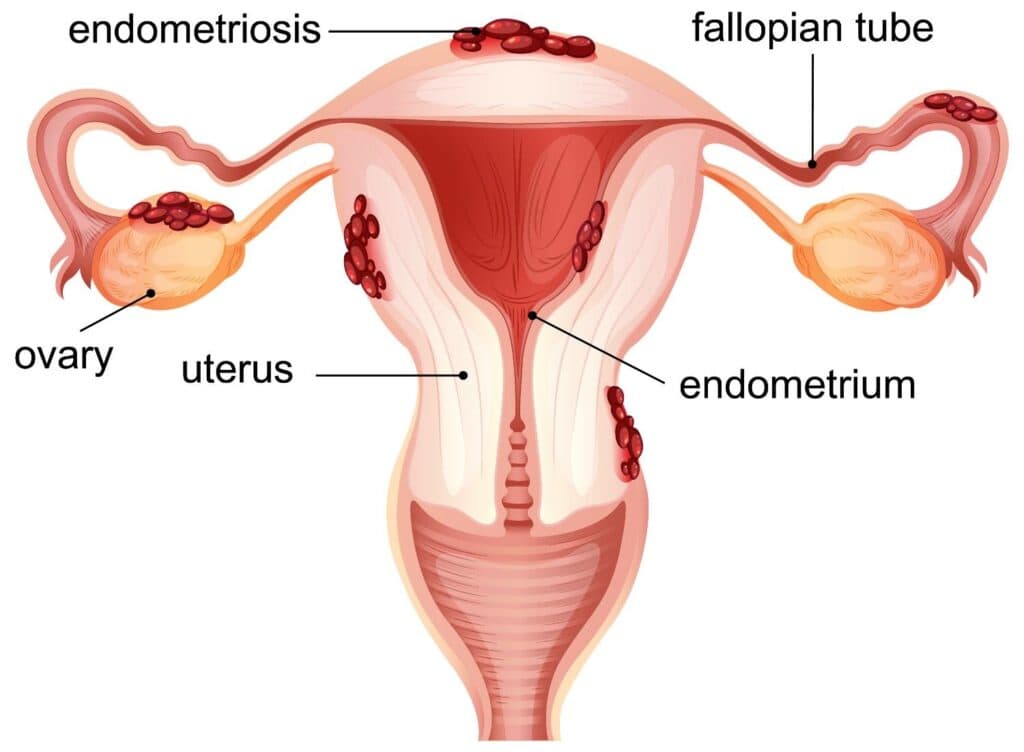
Endometriosis develops when endometrial tissue grows outside the uterus, usually on the ovaries, fallopian tubes, intestines, or pelvic tissues. This misplaced tissue has no way to be shed from the body during the menstrual cycle, causing chronic inflammation.
The disease can be difficult to identify, as the symptoms are often confused with other gynecological disorders.
Endometriosis symptoms – signals you shouldn't ignore
Symptoms can vary from one woman to another, ranging from very mild to extremely severe. The intensity of the pain does not always indicate the extent of the disease.
The most common symptoms include;
- severe menstrual pain that does not improve with regular medications,
- pain during intimate relations,
- pelvic pain that continues outside of menstruation,
- irregular bleeding,
- gastrointestinal problems such as bloating, diarrhea or constipation, especially before the period,
- fertility problems.
Some women may be asymptomatic and only discover endometriosis during infertility evaluations.
How is endometriosis diagnosed?
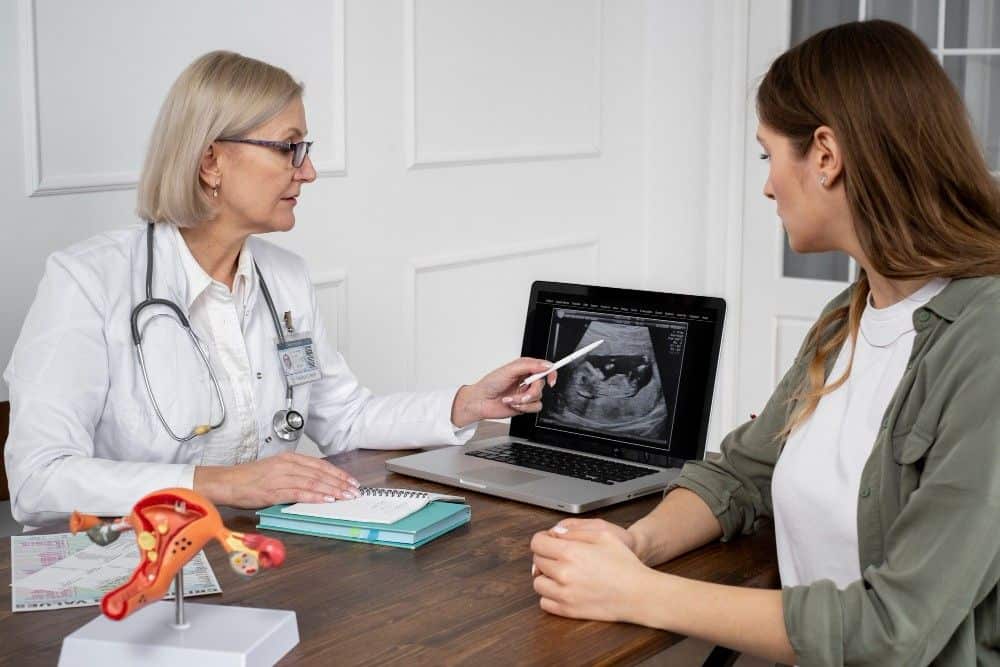
Diagnosis requires a combination of clinical evaluation, imaging, and sometimes invasive procedures. At Family Hospital, we use a complete and comprehensive approach to achieving an accurate diagnosis.
A gynecological visit is the first step, where the doctor evaluates your symptoms and menstrual history. A transvaginal ultrasound can identify endometrial cysts (endometriomas) or other signs of disease.
Magnetic resonance imaging (MRI) is used in special cases for more detailed evaluation. Laparoscopy is considered the “gold standard” for diagnosis, as it allows for the identification and removal of lesions at the same time.
Early diagnosis is very important, as endometriosis can worsen over time.
Endometriosis treatment
Treatment depends on the patient's age, severity of the disease, symptoms, and pregnancy plans. At Family Hospital, we offer a full range of therapeutic options.
Hormonal medications are used to reduce the activity of endometrial tissue and relieve symptoms. Analgesics and anti-inflammatories help control pain in mild cases.
Laparoscopic surgery is the most commonly used option for removing lesions, cysts, or scars that cause pain or infertility. Long-term counseling and support are very important, as endometriosis is a chronic disease that requires constant monitoring.
Our approach aims not only to manage pain, but also to preserve fertility and improve quality of life.

How does endometriosis affect fertility?
About 30–50% of women with endometriosis may have difficulty getting pregnant. Endometrial tissue can affect the function of the ovaries, fallopian tubes, or implantation of the embryo.
Early treatment or surgical intervention can significantly improve the chances of natural or assisted pregnancy.
cONcluSiON
Endometriosis is a complex condition that requires specialized care and constant monitoring. Its symptoms can severely impact daily life, but with accurate diagnosis and personalized treatment, most women are able to regain control over their health.
At Family Hospital, we are committed to providing professional care, advanced technology, and ongoing support to every patient facing endometriosis.
If you suspect this condition or are experiencing worrisome symptoms, don't hesitate to book a gynecological consultation — your well-being is our priority.
FAQ – Frequently Asked Questions about Endometriosis
What are the most common symptoms of endometriosis?
Severe menstrual pain, pelvic pain even outside of the cycle, pain during intercourse, irregular bleeding, gastrointestinal problems, and difficulty getting pregnant.
Can I have endometriosis without pain?
Yes. Some women are asymptomatic and only discover endometriosis during infertility evaluations or routine examinations.
How is endometriosis diagnosed?
Diagnosis includes a gynecological examination, transvaginal ultrasound, magnetic resonance imaging (MRI), and in certain cases laparoscopy, which is the most accurate method for confirmation.
Is endometriosis curable?
There is no definitive cure, but symptoms can be controlled and managed with hormonal medications, anti-inflammatory drugs, or surgery, depending on each case.
Does endometriosis affect fertility?
Yes. Up to 501% of women with endometriosis may experience difficulty getting pregnant. Proper treatment can significantly improve the chances of natural or assisted conception.
Does endometriosis get worse over time?
In many cases, yes. Endometriosis is a progressive condition, so early diagnosis and treatment are essential.
Is ultrasound enough to diagnose endometriosis?
Ultrasound can detect some forms, such as endometrial cysts, but does not always identify all cases. Laparoscopy is often necessary for accurate diagnosis.
Can symptoms be controlled with lifestyle changes alone?
Lifestyle changes can relieve symptoms, but are usually not enough. They should be combined with medical or surgical treatment, as recommended by a specialist.
When should I see a gynecologist if I suspect endometriosis?
If you experience severe menstrual cramps, persistent pelvic pain, fertility problems, or symptoms that affect daily life, you should seek evaluation as soon as possible.