English
  Albanian

Vitamin D, known as the “sunshine vitamin,” is one of the most important nutrients for our health. However, its deficiency has become a global health problem affecting millions of people worldwide. At Family Hospital, we often encounter patients suffering from various symptoms related to low vitamin D levels, without being aware of the true cause. This vitamin is essential for many body functions, and its deficiency can have serious consequences for our health.

What is vitamin D and why is it important?
Vitamin D is a fat-soluble vitamin that acts like a hormone in our bodies. Unlike other vitamins that we get mainly from food, our bodies can produce vitamin D when our skin is exposed to sunlight. This vitamin plays key roles in many physiological processes in our bodies.
Vitamin D's best-known function is regulating calcium and phosphorus in the body, which are essential for healthy bones and teeth. But its role goes much further: vitamin D is necessary for the proper functioning of the immune system, muscle health, normal nerve function, and even mental health. Recent studies have shown that good levels of vitamin D may help prevent chronic diseases such as dIABETES, cardiovascular diseases and some types of cancer.
What are the causes of vitamin D deficiency?
There are many factors that contribute to vitamin D deficiency. Insufficient sun exposure is the main cause. People who spend a lot of time indoors, those who work night shifts, or those who live in places with little sun during the winter are especially at risk.
Skin type also plays a role. People with darker skin have more melanin, which reduces the skin's ability to produce vitamin D from the sun. Advanced age is another risk factor, as over the years, the skin becomes less efficient at producing vitamin D.
A diet poor in foods rich in vitamin D, such as oily fish, eggs, and fortified dairy products, can contribute to deficiency. Digestive problems, such as celiac disease or inflammatory bowel diseases, can affect the absorption of vitamin D from food.
Obesity is another risk factor, as vitamin D is stored in fatty tissue and becomes less available for use by the body. Some medications, such as corticosteroids and anticonvulsants, can interfere with vitamin D metabolism.
Signs and symptoms of vitamin D deficiency
One of the most difficult aspects of vitamin D deficiency is that the signs can be vague and non-specific, easily confused with other health conditions. However, there are some symptoms to look out for.
Chronic fatigue and weakness
Constant fatigue is one of the most common symptoms of vitamin D deficiency. If you feel tired all the time, even after getting enough sleep, this could be a warning sign. This fatigue is not just a mild feeling of tiredness, but a profound lack of energy that affects your quality of life and ability to perform daily activities.
Muscle weakness is another important symptom. You may notice that it takes more effort to complete tasks that you previously did easily. This is because your muscles need vitamin D to function optimally.
Bone and muscle pain
Persistent bone pain, especially in the back, hips, and ribs, can be an indication of vitamin D deficiency. This pain can be constant or come and go. Many people describe it as a deep ache that feels like it's inside the bones.
Muscle aches and frequent cramps are also common. You may experience muscle stiffness, especially in the morning, or have painful cramps, especially in your legs at night. These symptoms occur because vitamin D is essential for normal muscle function and for regulating the calcium that muscles need to contract properly.
Bone health problems
Osteoporosis and weak bones are long-term consequences of vitamin D deficiency. This vitamin is essential for calcium absorption, and without sufficient levels of vitamin D, bones cannot maintain their density. This can lead to more frequent fractures, especially in older people.
In children, severe vitamin D deficiency can cause rickets, a condition characterized by soft, deformed bones. In adults, vitamin D deficiency can lead to osteomalacia, a similar condition that causes soft and weak bones.
Depression and mood swings
Vitamin D plays an important role in mental health. Vitamin D receptors are found in many parts of the brain, including areas associated with depression. Numerous studies have found a link between low vitamin D levels and depression, especially seasonal affective disorder that occurs during the winter months when sun exposure is minimal.
If you're feeling sad, discouraged, or have lost interest in activities you once enjoyed, a vitamin D deficiency may be a contributing factor. Anxiety, frequent mood swings, and difficulty concentrating are also linked to low levels of this vitamin.
Slow healing of wounds
If you notice that your wounds, cuts, or scrapes are healing more slowly than normal, this could be an indication of a vitamin D deficiency. This vitamin is essential for producing components that are needed for the formation of new skin during the healing process. Vitamin D also helps control inflammation and fight infections, which are important for proper healing.
Hair loss
While normal hair loss is part of the natural hair growth cycle, excessive hair loss can be a sign of vitamin D deficiency. This is especially true for hair loss in women. Vitamin D plays a role in stimulating hair follicles, and a deficiency can affect hair growth.
Frequent infections
A weakened immune system leading to colds, flu, and frequent infections may be an indicator of vitamin D deficiency. This vitamin is essential for the proper functioning of the immune system and the body's ability to fight pathogens.
If you find that you or your children are getting sick more often than others, or that infections last longer, it may be helpful to check your vitamin D levels. This is especially important during the winter season when viruses are more common.

How is vitamin D deficiency diagnosed?
The most accurate way to diagnose vitamin D deficiency is through a blood test that measures the level of 25-hydroxyvitamin D in the blood serum. This is the standard and most reliable test used by healthcare professionals.
Normal vitamin D levels are considered to be between 30-50 ng/ml (nanograms per milliliter). Levels between 20-30 ng/ml are considered insufficient, while levels below 20 ng/ml indicate vitamin D deficiency. Levels below 12 ng/ml are considered severe deficiency that requires immediate treatment.
At Family Hospital, we offer complete blood tests, including measuring vitamin D levels, as part of our regular health check-up. These tests are especially recommended for people with risk factors or those experiencing symptoms of vitamin D deficiency.
Treatment of vitamin D deficiency
The good news is that vitamin D deficiency is easy to treat. The most common approach involves taking vitamin D supplements, usually in the form of vitamin D3 (cholecalciferol), which is the most effective form.
The dosage of supplements depends on the level of deficiency and individual factors. For mild deficiency, 1000-2000 IU (international units) per day may be recommended. For moderate to severe deficiency, higher doses may be required, sometimes up to 50,000 IU once a week for several weeks, followed by a maintenance dose.
It is important to take vitamin D supplements with food containing fat, as this is a fat-soluble vitamin and is better absorbed in the presence of fat.
Natural sources of vitamin D
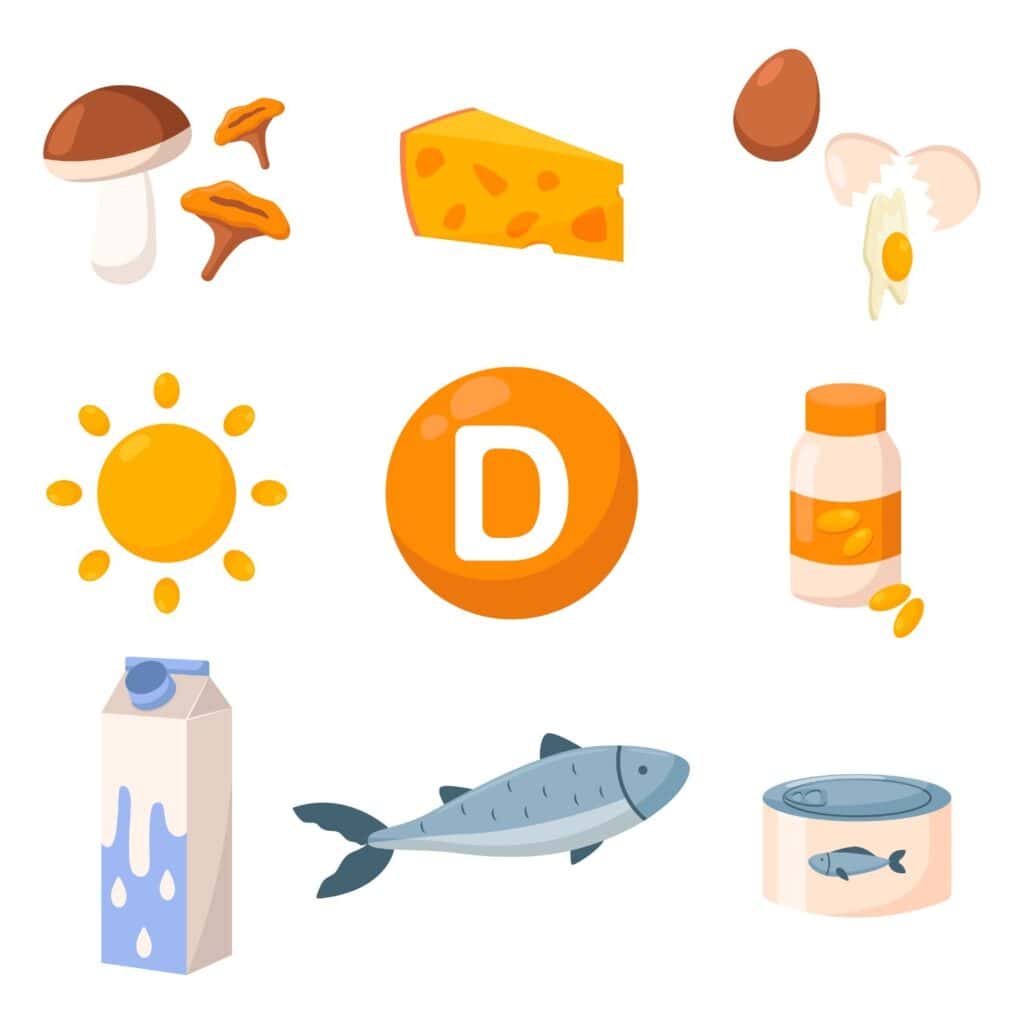
In addition to supplements, there are natural ways to increase your vitamin D levels. Sun exposure remains the best natural source. Exposing your skin to sunlight for 10-30 minutes several times a week, depending on your skin tone and location, can help produce vitamin D. However, it is important to balance your need for vitamin D with the risk of skin damage from the sun.
In terms of food, there are several good sources of vitamin D. Fatty fish like salmon, tuna, and mackerel are excellent sources. Cod liver oil is particularly rich, but not everyone can tolerate its taste. Egg yolks also contain vitamin D, as do mushrooms that have been grown under UV light.
Many food products are fortified with vitamin D, including milk, orange juice, breakfast cereals, and yogurt. Check food labels to see if the products you consume are fortified with vitamin D.
Preventing vitamin D deficiency
Prevention is always better than cure. To avoid vitamin D deficiency, try to get regular sun exposure, especially during the summer months. Even during the winter, try to spend time outdoors whenever possible.
A balanced diet that includes sources of vitamin D is essential. If you have risk factors for deficiency, such as advanced age, dark skin, or conditions that affect nutrient absorption, consult your doctor about taking preventative supplements.
Regular health checkups that include blood tests can help identify low vitamin D levels early before serious symptoms develop. This is especially important for people with chronic diseases that can affect vitamin D metabolism.
The importance of medical consultation
If you suspect you have a vitamin D deficiency, it is important to consult a healthcare professional rather than self-diagnosing and starting treatment on your own. Although vitamin D supplements are safe for most people, taking excessive doses can lead to vitamin D toxicity, a rare but serious condition.
Symptoms of overdose include nausea, vomiting, weakness, and more serious problems like kidney damage. Therefore, it is essential that the dosage of supplements is determined based on your current vitamin D levels and individual needs.
At Family Hospital, our team of doctors is trained to assess your vitamin D levels and create a personalized treatment plan tailored to your specific needs. We also offer lifestyle and nutritional advice that can help optimize your vitamin D levels naturally.
cONcluSiON
Vitamin D deficiency is an often underestimated health problem that can have significant consequences for our physical and mental health. By being aware of the signs and symptoms, and taking preventative measures, we can ensure that our bodies have the right levels of this essential vitamin.
If you experience any of the symptoms described in this article, do not hesitate to contact Family Hospital for a consultation and testing. Early diagnosis and treatment of vitamin D deficiency can significantly improve your quality of life and prevent long-term health complications. Your health is our priority, and we are here to support you every step of the way to complete well-being.