English
  Albanian

High cholesterol is one of the leading risk factors for cardiovascular disease, which is the number one cause of death worldwide. In this blog, we will explore what cholesterol is, why its elevation is problematic, how to know if you are at risk, and most importantly: how to effectively control it.

What is cholesterol?
Cholesterol is a fatty substance produced in the liver and also found in some foods. It is necessary for many bodily functions, including the production of hormones, vitamin D, and the construction of cells.
However, when blood cholesterol levels become too high, it can stick to artery walls and cause blockages, increasing the risk of heart attack and stroke.
The body needs cholesterol, but it's all about balance. When the balance is disrupted and bad cholesterol (LDL) rises too high, it begins to build up in the arteries, forming hard plaques that block blood flow. This can lead to serious complications.
Types of cholesterol
| Type of Cholesterol | Description |
| LDL (bad) | Low-density lipoprotein, which transports cholesterol to cells. High levels of LDL lead to deposits in the arteries. |
| HDL (good) | High-density lipoprotein, which helps remove excess cholesterol from the blood. More HDL is better. |
| Triglycerides | The most common type of fat in the body; high levels increase the risk of heart disease. |
LDL is known as “bad cholesterol” because it is more likely to cause blockages in the arteries, contributing to heart disease. On the other hand, HDL, or “good cholesterol,” acts as a scavenger — it transports excess cholesterol to the liver for removal from the body.
The balance between these two types is vital. Triglycerides, meanwhile, are another form of fat that increases with excessive calorie consumption, especially from refined sugars and alcohol.
Symptoms of high cholesterol
High cholesterol usually causes no visible symptoms, which is why it has been called the “silent killer.” Most people only discover it after a blood test or after a serious problem like a heart attack. In rare cases, xanthelasma (yellow spots around the eyes) or fatty lumps on the skin may appear.
This lack of symptoms makes it dangerous, as people can feel fine and have no warning signs. For this reason, blood tests are vital to detect cholesterol levels and take timely action.

Risk factors
A diet high in saturated fats, refined sugars, and processed foods can lead to elevated cholesterol levels. Fried foods, fast foods, and processed meat products are some of the main culprits in the modern diet.
Lack of physical activity is also a major risk factor. A sedentary lifestyle slows down metabolism and lowers levels of good cholesterol (HDL), leaving LDL free to rise. Overweight and obesity are often associated with high levels of triglycerides and cholesterol.
Smoking not only damages blood vessels, but it also lowers HDL and increases the risk of developing heart disease. Alcohol, in large quantities, raises triglycerides and can contribute to other health problems.
Diabetes and metabolic problems also make it more difficult to control cholesterol levels, especially if they are not well managed.
Complications of high cholesterol
When cholesterol builds up in the walls of your arteries, it creates plaque that blocks blood flow – a condition known as atherosclerosis. This can lead to a heart attack, as oxygen and nutrients don't reach the heart in the right amounts.
Stroke is another dangerous complication, when blood flow to the brain is interrupted by a blockage. The arteries supplying the legs and arms can also become blocked, causing peripheral arterial disease that causes pain, difficulty walking, and sometimes even loss of limbs.
Hypertension is often associated with high cholesterol, making the condition even more dangerous. The combination of these factors significantly increases the risk of serious cardiovascular disease.
How is high cholesterol diagnosed?
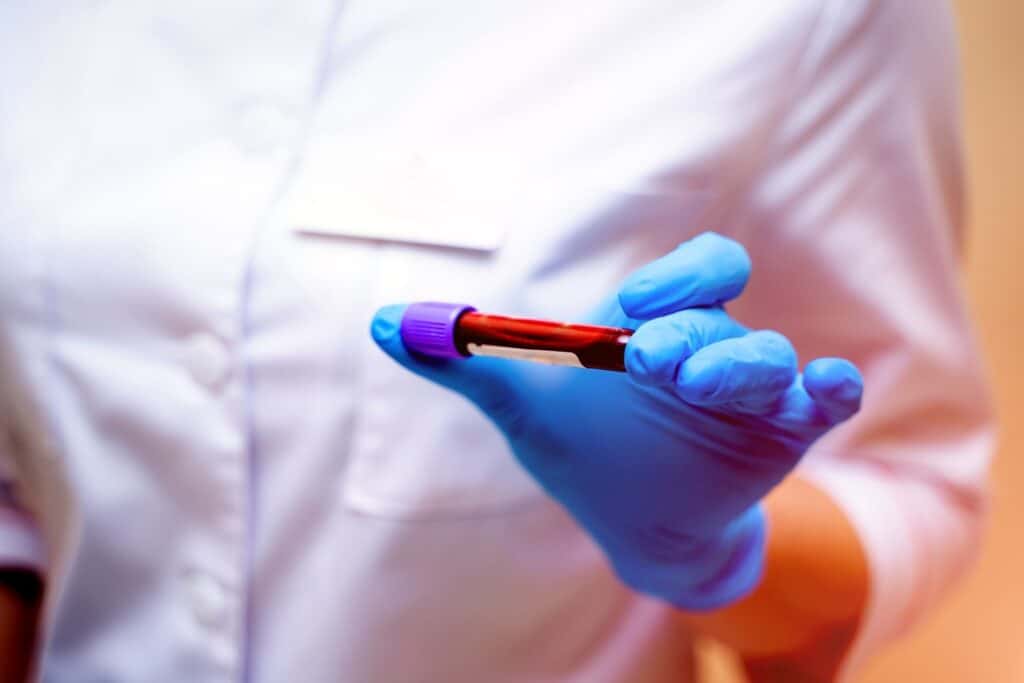
Diagnosis is made through a blood test called a lipid profile. This test measures the level of:
- Total cholesterol
- LDL (bad cholesterol)
- HDL (good cholesterol)
- triglyceride
Cholesterol analysis should be done in the morning, on an empty stomach (without eating for at least 8-12 hours). The doctor will analyze the results and, depending on the values, determine whether intervention through lifestyle changes or medication is necessary.
In some cases, further tests such as liver function tests or abdominal ultrasound may be necessary.
How to keep cholesterol under control?
Managing cholesterol starts with lifestyle changes. A diet rich in fiber (such as oats, beans, green leafy vegetables) and low in saturated fat helps a lot.
Consume fresh produce, avoid fried and processed foods, and choose steamed or oven-baked cooking.
Physical exercise for at least 30 minutes a day, five days a week, helps increase HDL and lower LDL. Walking, swimming, cycling or yoga are simple but very effective activities. Physical activity also helps control body weight and improves blood circulation.
Reducing tobacco and alcohol consumption is essential. Tobacco damages blood vessels and lowers good cholesterol levels, while alcohol increases triglycerides.
In some cases, when these measures are not sufficient, the doctor may recommend cholesterol-lowering medications such as statins, fibrates, or other newer medications that affect the absorption of fats in the intestine.
Foods that help lower cholesterol
| Recommended foods | Why are they good? |
| Oats, barley | Rich in fiber that helps absorb cholesterol in the intestines |
| Fatty fish (like salmon) | Rich in omega-3 which lowers triglycerides |
| Dried fruits (walnuts, almonds) | Contains good fats that increase HDL |
| Green vegetables | Rich in antioxidants and fiber |
| avocado | Unsaturated fats that help lower LDL |
Oats and barley contain beta-glucan, a type of fiber that helps lower bad cholesterol. Fish like salmon, sardines, and mackerel are rich in omega-3 fatty acids, which reduce inflammation and support heart health.
Dried fruits like almonds and walnuts are an excellent source of healthy fats and help improve your lipid profile.
Green leafy vegetables and fresh vegetables in general help lower cholesterol through their high fiber and antioxidant content.
Avocado is another wonderful food, with unsaturated fats that help lower LDL cholesterol without lowering HDL.

The most common myths about cholesterol
One of the most common myths is that only old people have high cholesterolIn reality, cholesterol can begin to accumulate at a young age, especially due to genetic factors or an unhealthy lifestyle.
Another misconception is the idea that If you don't eat too much fat, you don't have to worry about cholesterol.Lack of physical activity, diabetes, or genetic predisposition can also lead to increased cholesterol.
Some people believe that if they feel fine, they don't need to get their cholesterol tested. This is dangerous, because high cholesterol doesn't cause symptoms and can cause problems without you realizing it!
The role of Family Hospital in managing high cholesterol
IN Family Hospital, patients benefit from an integrated approach to cholesterol diagnosis and treatment. Initially, a lipid profile analysis is performed, followed by cardiology visit with doctors specializing in internal medicine and cardiology.
Patients are offered nutritional counseling with personalized meal plans and lifestyle recommendations. Periodic monitoring, long-term follow-up, and treatment adjustments based on progress are key parts of the care plan.
Thanks to a LABORATORY With modern facilities and a dedicated staff, patients receive safe, effective and continuous treatment.
concluSIon
High cholesterol is a condition that can be managed and prevented with proper information and medical care. If left untreated, it can have serious consequences for your heart and overall health.
Don't neglect it: get tested, change your eating habits, and seek professional support when necessary.
Family Hospital is here to help you every step of the way towards a healthier life.