English
  Albanian

Osteoporosis is one of the most common bone diseases, characterized by decreased bone density and increased risk of fractures. Although it often develops without obvious symptoms, early diagnosis is essential for effective prevention and treatment. In Family Hospital, our multidisciplinary team provides advanced diagnostic services and personalized care programs for patients with osteoporosis.
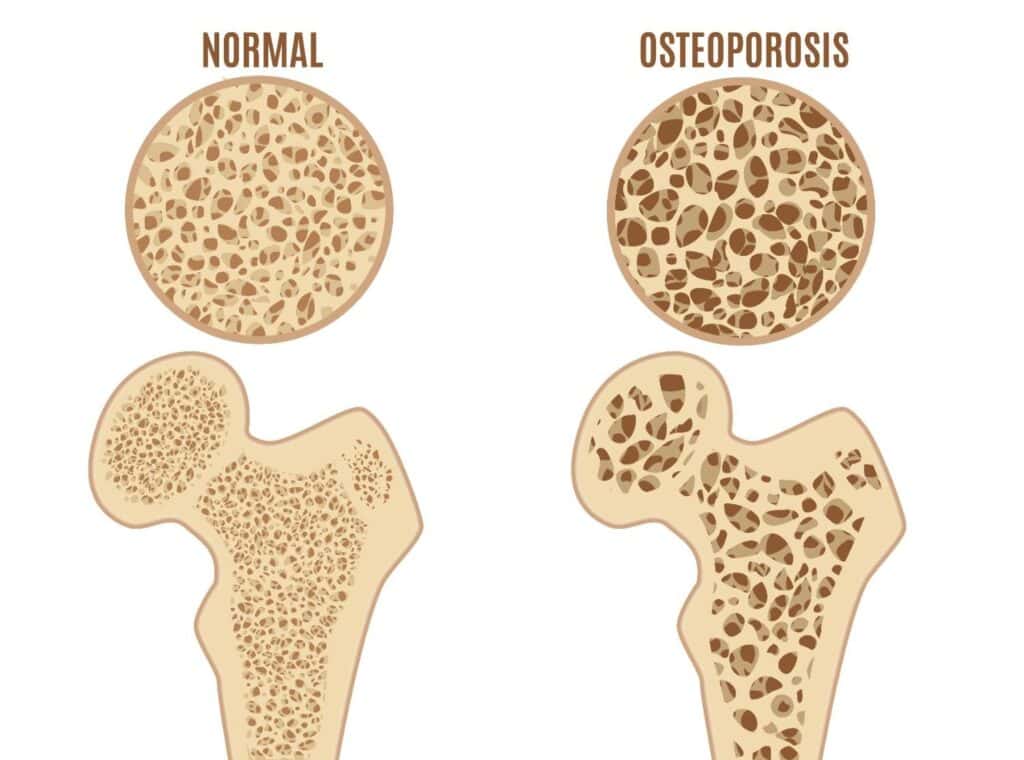
What is osteoporosis?
Osteoporosis is a chronic condition in which bones become more brittle and weak. It most often affects women after menopause, but it also occurs in men and in people with certain risk factors. The loss of bone mass occurs gradually, which is why it is often called the “silent disease.”.
Main symptoms – when should you worry?
In its early stages, osteoporosis usually does not cause pain or obvious signs. However, as it progresses, symptoms such as:
- Back pain caused by vertebral fractures
- Decrease in body height
- Crouching posture
- Bone fractures from minimal trauma
If these symptoms appear, it is important to seek medical evaluation as soon as possible.
Osteoporosis diagnosis at Family Hospital
To identify osteoporosis in a timely and accurate manner, Family Hospital uses modern diagnostic methods that provide detailed information on bone health.
The main diagnostic methods include:
- DEXA Scan (bone densitometry) – the most reliable standard test for measuring bone density.
- Laboratory tests – to assess levels of vitamin D, calcium, and markers of bone metabolism.
- Clinical assessment of risk factors – age, family history, lifestyle, medication use, menopause, etc.
Early diagnosis is key to preventing fractures and to immediately initiate appropriate treatment.

Risk factors – who is most susceptible?
Many factors can increase the chance of developing osteoporosis. Among the most important are:
- Age over 50 years old
- Postmenopausal women
- Very low body weight
- Family history of osteoporosis
- Diet poor in calcium and vitamin D
- Long-term use of corticosteroids
- Sedentary lifestyle and physical inactivity
- Tobacco and alcohol consumption
Knowing these factors can help you take preventive measures in time.
Osteoporosis care and treatment at Family Hospital
Personalized treatment programs are offered at Family Hospital, which are based on the patient's clinical condition and individual needs.
The main treatment approaches include:
- Pharmacological therapies for strengthening bone density.
- Supplementation with vitamin D and calcium, when necessary.
- Dietary counseling for a diet rich in minerals and vitamins.
- Physiotherapy programs for increasing muscular strength and balance.
- Periodic follow-up to monitor the progress and effectiveness of treatment.
Our goal is to reduce the risk of fractures and improve long-term bone health.

How to prevent osteoporosis?
Although it is not always possible to avoid it completely, osteoporosis can be managed and fractures can be prevented with a few simple steps:
- Consume enough calcium and vitamin D.
- Do regular physical activity, especially weight-bearing exercises.
- Avoid smoking and limit alcohol.
- Maintain a healthy weight.
- Have regular check-ups at Family Hospital, especially after the age of 50 or if you have risk factors.
Why choose Family Hospital for osteoporosis diagnosis and treatment?
- Modern diagnostic equipment
- Team of specialists in the fields of rheumatology, endocrinology and physiotherapy
- Personalized programs for each patient
- Continuous follow-up and multidisciplinary care
At Family Hospital, our priority is your long-term health and the well-being of your bones.

FAQ – Frequently Asked Questions about Osteoporosis
1. What is osteoporosis and how does it affect the body?
Osteoporosis is a disease in which bone density decreases, making them more fragile and more susceptible to fractures. It mainly affects the spine, ankles, hips, and wrists.
2. What are the first symptoms of osteoporosis?
There are often no symptoms in the early stages. Signs may appear later, such as back pain, loss of height, stooped posture, or fractures from minor trauma.
3. How is osteoporosis diagnosed?
The most accurate test is the DEXA Scan, which measures bone density. Your doctor may also recommend lab tests for vitamin D, calcium, and markers of bone metabolism.
4. Who is most likely to develop osteoporosis?
Postmenopausal women, people over 50 years of age, individuals with low weight, those with a family history of the disease or who use corticosteroids for long periods.
5. Can osteoporosis be prevented?
Yes. Prevention includes a diet rich in calcium and vitamin D, regular physical activity, avoiding smoking, limiting alcohol, and periodic checkups.
6. What tests should be done for osteoporosis?
In addition to the DEXA Scan, tests for vitamin D, calcium, phosphorus, and bone metabolism markers are usually recommended.
7. What treatments are available for osteoporosis?
Treatment may include medications that increase bone density, vitamin D and calcium supplementation, controlled nutrition, and physiotherapy programs.
8. Is osteoporosis curable?
It is not completely curable, but it can be very well controlled with proper treatment, reducing the risk of fractures and improving quality of life.
9. How often should a DEXA Scan be done?
It is usually recommended every 1–2 years for people at high risk or for those already on treatment. The frequency is determined by your doctor based on your condition.
10. When should I see a doctor about osteoporosis?
If you have symptoms such as back pain, recurrent fractures, loss of height, or if you have risk factors after the age of 50, it is important to consult a specialist as soon as possible.