English
  Albanian

Diabetes mellitus is one of the most prevalent chronic diseases in the world, posing a serious challenge to healthcare systems and the lives of millions of people. In Albania, the number of patients with diabetes is increasing every year, causing concern not only for individuals, but also for their families and the community as a whole. This blog presents an in-depth analysis of diabetes, ways to prevent it, symptoms to be aware of, and treatment options.
What is diabetes?
Diabetes is a metabolic disorder characterized by high levels of glucose (sugar) in the blood, resulting from insufficient production of insulin or ineffective use of it by the body. Insulin is a hormone produced by the pancreas that helps cells absorb sugar from the blood and use it for energy.
If insulin is missing or does not work properly, sugar builds up in the blood and can damage various organs and systems in the body.
The main types of diabetes
There are two main types of diabetes:
Type 1 Diabetes: It develops when the immune system attacks and destroys the insulin-producing beta cells of the pancreas. This form is usually diagnosed at a young age and patients must take insulin for the rest of their lives.
Type 2 Diabetes: It is the most common form and is mainly related to the body's resistance to insulin and insufficient production of it. This form occurs most often in adults, but is also appearing in young people due to lifestyle.
Gestational Diabetes: It appears during pregnancy and usually goes away after birth, but increases the risk of developing type 2 diabetes later.
Symptoms of diabetes
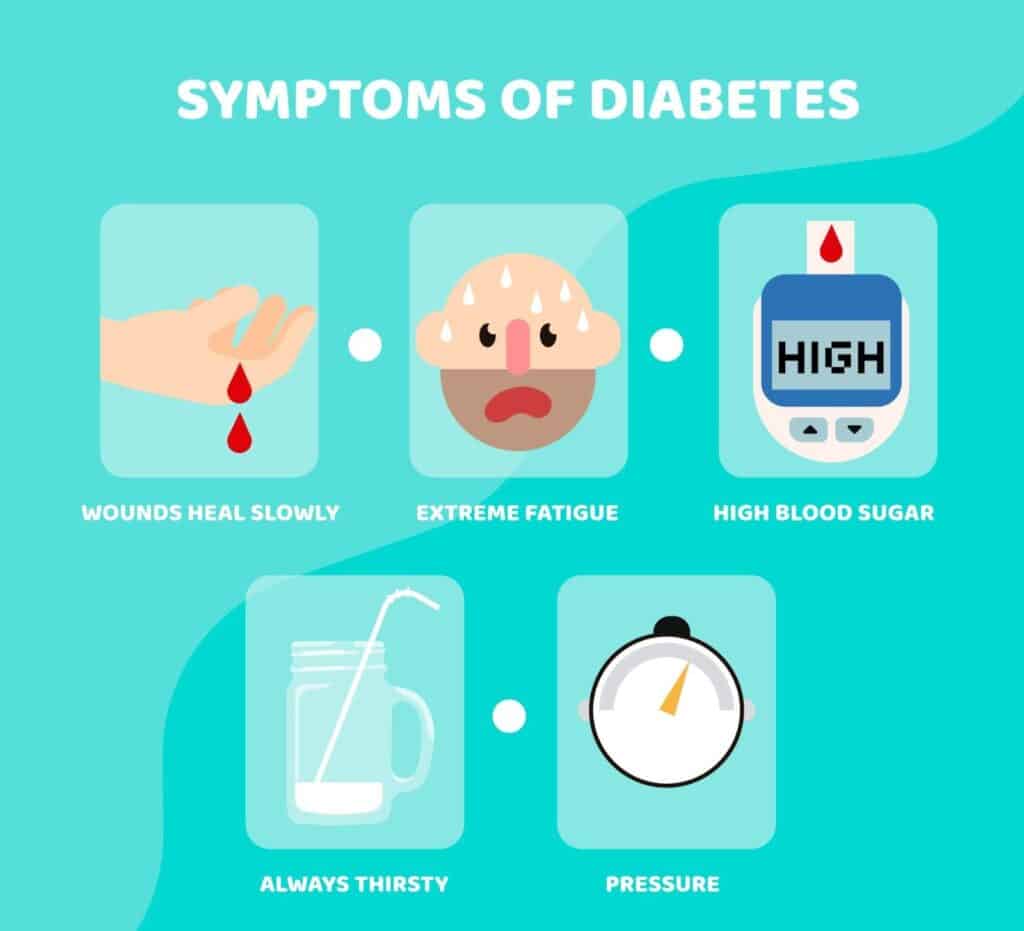
Symptoms of diabetes can develop gradually or suddenly, and some of them include:
- Excessive thirst and dry mouth
- Frequent urination, especially at night
- Constant fatigue and weakness
- Unexplained weight loss
- Irregular and unexplained sleep
- Blurred vision
- Slow healing of wounds
- Frequent infections, especially of the skin and urinary tract
- Tingling or numbness in the hands and feet
If you have some of these symptoms, it is important to seek medical help as soon as possible.
Risk factors
Some factors that increase the risk of developing diabetes include:
- Family inheritance and genetic predisposition
- Overweight and obesity
- Lack of physical activity
- Diet high in saturated fats, sugar, and processed foods
- Age over 45 years old
- High blood pressure and high cholesterol
- Gestational diabetes in previous pregnancy
- Smoking and alcohol use in large quantities
Diabetes complications
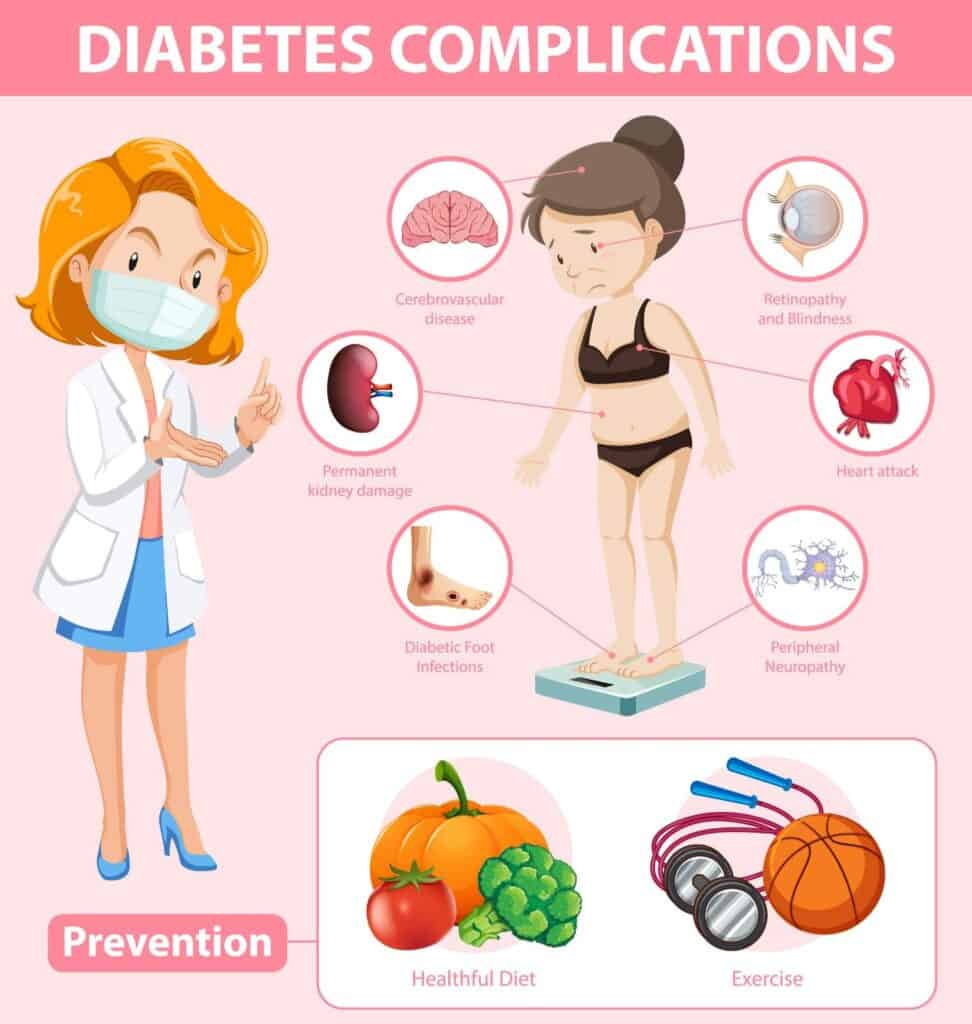
If not well controlled, diabetes can cause serious complications, including:
- Heart and blood vessel diseases
- Nerve damage (neuropathy)
- Kidney problems (nephropathy)
- Eye damage and vision loss
- Frequent and severe infections
- Foot problems that can lead to amputation
- Skin problems and wounds that don't heal
Diabetes prevention
Prevention of type 2 diabetes is possible through sustainable lifestyle changes. Maintaining a healthy body weight and engaging in regular physical activity, at least 30 minutes a day, play a key role in reducing the risk.
A balanced diet rich in fruits, vegetables, fiber, and whole grains and limiting your intake of sugar and saturated fats also help maintain healthy blood sugar levels.
It is also important to control blood pressure and cholesterol, stop smoking, and reduce alcohol consumption. Regular medical check-ups are essential to monitor your health and prevent the onset of diabetes-related diseases.

Diabetes treatment
Diabetes treatment is a personalized process that includes lifestyle changes such as a healthy diet, physical activity, and stress management. In many cases, patients use oral medications to control blood sugar, while for type 1 diabetes and some cases of type 2, insulin injections are necessary.
Continuous monitoring of blood sugar levels is an essential part of treatment to avoid complications. Patient education on disease management and recognition of symptoms of complications goes a long way in maintaining quality of life and preventing serious health problems.
Foods that help control diabetes
In addition to eliminating simple sugar and harmful fats, certain foods help stabilize blood glucose levels.
These include whole grains, legumes (beans, lentils), high-fiber vegetables like broccoli and spinach, and omega-3-rich fish like salmon.
Regular consumption of these foods helps reduce inflammation and improves insulin sensitivity.
Physical activity and diabetes
Physical activity helps lower blood sugar by increasing the sensitivity of cells to insulin. It is not necessary to do intense exercise; walking, cycling, swimming or light aerobic exercise are enough to improve diabetes control and strengthen the heart. In addition to the physical benefits, activity helps reduce stress and improves mood.
The importance of regular check-ups at Family Hospital
At Family Hospital, we offer endocrinological visit specialized and a comprehensive approach to diabetes management, including:
- Diagnostic tests and ongoing monitoring
- Consultation with endocrinologists and nutritionists
- Individual patient education and support programs
- Personalized treatment with medications and injections
- Lifestyle guidelines and prevention of complications

Practical advice for people with diabetes
- Measure your blood sugar level regularly.
- Follow the doctor's and nutritionist's recommendations carefully.
- Keep a log of food and daily activities
- Don't ignore any new or worrying symptoms.
- Seek emotional and social support when you need it.
cONcluSiON
Diabetes is a serious health challenge, but with proper care and treatment, it can be managed effectively. Prevention and regular check-ups are the key to a healthy life. Family Hospital is your partner in this journey, providing quality support and treatment to every patient.

Frequently Asked Questions about Diabetes (FAQs)
What are the most common symptoms of diabetes?
Symptoms include increased thirst, frequent urination, fatigue, unexplained weight loss, blurred vision, and wounds that do not heal easily.
Can you have diabetes without symptoms?
Yes, many people with type 2 diabetes may not have symptoms for years, so it is important to have regular checkups.
What causes type 2 diabetes?
Hypertension, obesity, unhealthy diet, lack of physical activity and genetic factors are the main causes of type 2 diabetes.
How is diabetes diagnosed?
Diagnosis is made with blood tests that measure glucose levels, such as the blood glucose test or the HbA1c test that gives the average sugar level over the last 2-3 months.
Can diabetes be prevented?
Yes, many cases of type 2 diabetes can be prevented with lifestyle changes, such as healthy eating, physical activity, and maintaining an optimal weight.
What treatments are there for diabetes?
Treatment includes lifestyle changes, oral medications, and in some cases insulin injections, according to the patient's needs.
Can I have a normal life with diabetes?
Yes, with regular monitoring and following medical recommendations, patients can have a healthy and active life.
How often should I be checked for diabetes?
The frequency of check-ups depends on your condition, but it is usually recommended to have check-ups every 3-6 months or as advised by your doctor.
What should I do if my sugar levels are too high?
If you have symptoms such as dizziness, headache, fever, or drowsiness, you should contact your doctor immediately or go to the hospital for emergency help.