English
  Albanian

Children's mental health is just as important as their physical health. A child may look healthy on the outside, go to school, play, and follow their daily routine, but this doesn't always mean everything is okay emotionally. Many children don't know how to clearly express their feelings, fears, or worries, as they don't yet have the vocabulary, maturity, or confidence to do so.
For this reason, parents have a very important role in observing small changes that may indicate a child needs support. Changes in behaviour, lack of concentration, sleep difficulties, withdrawal from usual activities or strong emotional reactions should not always be seen as a “transitional phase”. Sometimes they are signals that the child is experiencing emotional distress and needs professional help.
At Family Hospital, specialists offer support for children and guidance for parents, with the aim that every child has the opportunity to develop in a healthy, safe, and emotionally balanced way.
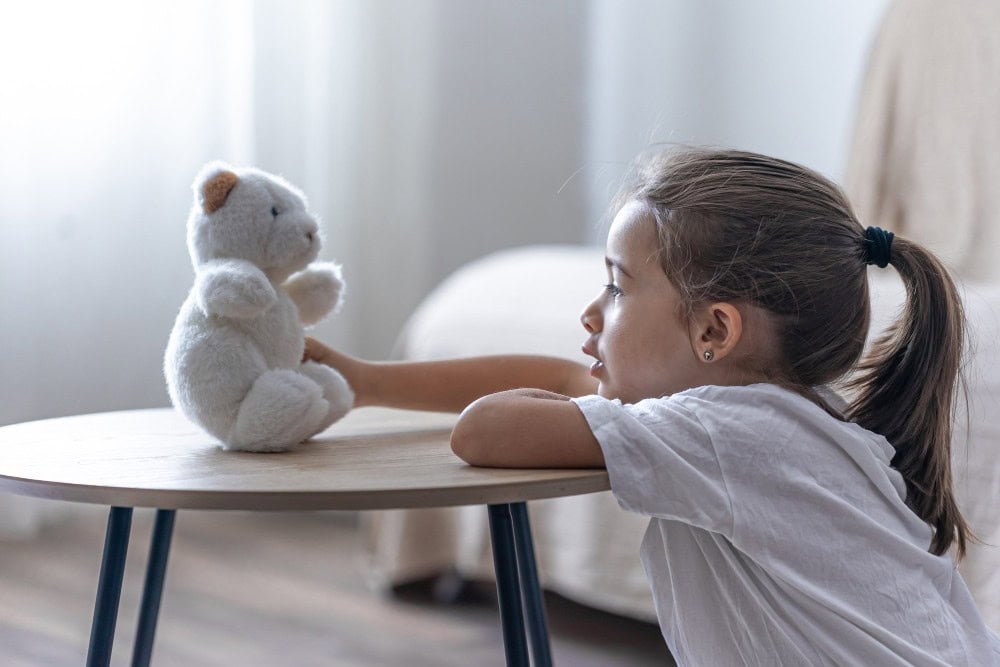
Why mental health in children should be taken seriously
Childhood is the period during which many of the foundations of personality, self-confidence, communication style, and the ability to cope with emotions are built. A child who feels secure, heard, and supported is more likely to develop healthy relationships with themselves and others.
However, children can face stress, fear, anxiety, insecurity, school pressure, social difficulties, bullying, family changes, or emotionally impactful events. Although these situations may seem minor to adults, they can be very serious for a child.
Mental health isn't just about major problems or serious diagnoses. It encompasses how a child feels, thinks, reacts, relates to others, and copes with everyday situations. When a child experiences emotional difficulties for an extended period, this can impact their behaviour, learning, sleep, appetite, and relationships with family or peers.
Children don't always speak with words
One reason parents might not immediately understand a child's distress is because children often don't express the problem directly. They might not say “I'm anxious,” “I'm sad,” or “I'm scared.” Instead, the distress might manifest through behaviour.
A child who was previously calm may become more restless, withdrawn, or sensitive. A child who used to go to school willingly may start to complain frequently of stomach aches or headaches. Another may have difficulty sleeping, wake up at night, have nightmares, or not want to sleep alone.
These signs don't always mean a serious problem, but they are a reason to be more attentive. Behaviour is often the language with which children show that something is wrong.
Changes in behaviour that should not be ignored
Parents know their child better than anyone. Therefore, when they notice a persistent change in the way their child behaves, reacts, or communicates, it is important not to ignore it.
Some children may become more aggressive, get irritated easily, burst into tears, or react strongly to small things. Others may withdraw into themselves, speak less, avoid playing, not want to meet friends, or lose interest in activities they previously enjoyed.
Changes in appetite, constant fatigue, lack of energy, excessive fear, strong dependence on a parent, or refusal to go to school can also be signs that require attention. If these behaviours persist, occur frequently, or impact the child's daily life, consulting a specialist is an important step.
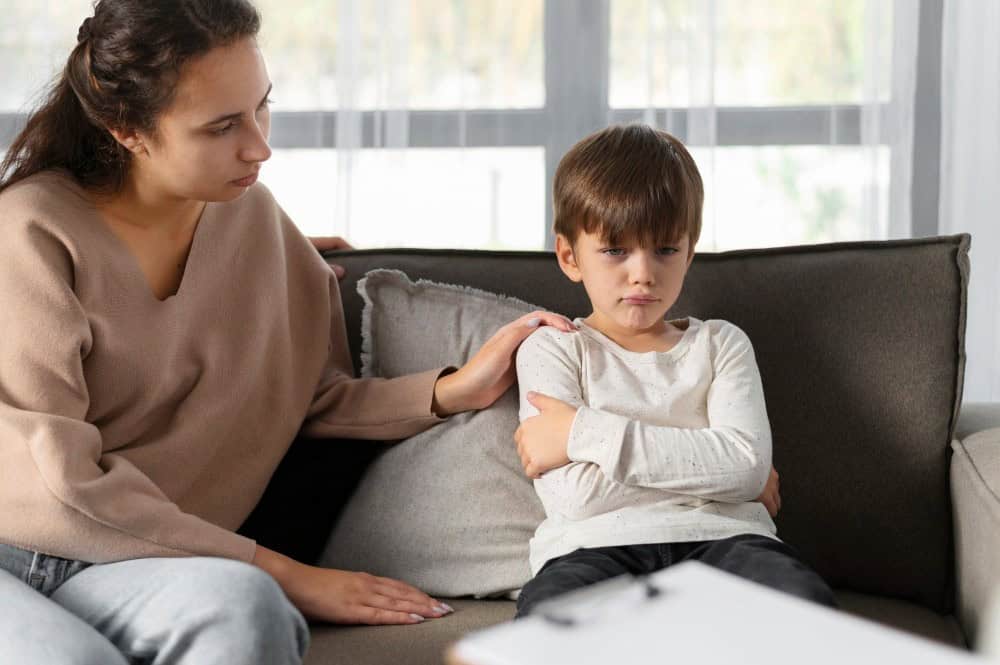
Lack of concentration: not always just “laziness”
Often, when a child struggles to concentrate on their studies, parents or teachers may interpret it as a lack of desire, laziness, or a lack of discipline. However, in many cases, difficulty concentrating can be linked to emotional factors.
A child who is anxious, stressed, emotionally exhausted, or overwhelmed may find it very difficult to concentrate. Their mind might be occupied with fears, uncertainties, social problems, or feelings they don't know how to manage.
This can be reflected in a decline in school results, forgetfulness, difficulty completing tasks, lack of motivation, or constant distraction. Instead of immediately scolding the child, it is important to understand what is behind this change.
Difficulties with sleep and the connection to emotions
Sleep is a very important indicator of a child's well-being. When a child sleeps well, their body and mind have the opportunity to rest, recover, and function better throughout the day. But when sleep is disrupted, it can affect mood, concentration, behaviour, and energy levels.
Sleep difficulties can manifest in various ways. The child may have trouble falling asleep, wake up frequently during the night, have nightmares, constantly seek the parent's presence, or wake up tired in the morning.
In some cases, sleep problems can be related to anxiety, fears, changes in routine, family tension, stress at school, or experiences that the child has not emotionally processed. If sleep difficulties persist, it is advisable to seek professional advice.
Thumbprints in children: how can it manifest?
Anxiety is not just a problem for adults. Children can also experience anxiety, but they often display it differently. A child with anxiety might ask a lot of questions about safety, be afraid of separating from their parent, worry a lot about school, fear making mistakes, or avoid certain situations.
Anxiety sometimes also appears with physical symptoms, such as stomach pains, nausea, headaches, tension, sweating, or feelings of tiredness. These complaints are real for the child and should not be neglected, even when medical tests do not show a physical problem.
The right support can help a child understand emotions, learn healthy ways to cope, and feel more secure.
Sadness and isolation: when should we worry?
It is normal for children to have days when they are sadder, more tired, or less motivated. But when sadness lasts for a longer period and is accompanied by isolation, loss of interest, lack of energy, or noticeable changes in behaviour, parents should be attentive.
A child who no longer wants to play, is no longer enjoying things they used to like, is avoiding family or friends, cries often, or seems constantly sad, may need help. In such cases, it is important for the parent not to minimise the situation with phrases like “it will pass” or “don't exaggerate”.
Children need to feel heard and taken seriously. A calm conversation and a consultation with a specialist can be the first step towards improvement.

The role of parents: listen without judgment
Parents don't need to be psychologists to help their child, but they can create an environment where the child feels safe to talk. This starts with listening. When a child tries to tell you something, it's important not to interrupt, shame, or scold them immediately.
Sentences like “there's nothing”, “don't cry”, “you're too sensitive” or “that's not a problem” can make a child withdraw even further. Instead, a parent can say: “I understand that this has upset you”, “tell me a bit more” or “I'm here to help you”.
This type of communication sends the child the message that their emotions are valid and that they are not alone.
Where should professional help be sought?
Seeking professional help should not be seen as a sign of failure by a parent. On the contrary, it is a responsible and careful step. Just as we take a child to the paediatrician when they have a fever or pain, we should also seek help when we see that they are experiencing emotional difficulties.
A consultation with a specialist is recommended when changes in behaviour persist, when the child has ongoing sleep difficulties, when concentration significantly declines, when there are excessive fears, when the child avoids school, when they isolate themselves, when they often have emotional outbursts, or when the parent feels they cannot help on their own.
A specialist can assess the situation, better understand the child's needs, and guide parents on how to act appropriately.
Support for children and guidance for parents at Family Hospital
At Te Family Hospital, specialists provide support for children and advice for parents, aiming for healthy emotional and mental development. Every child is different, so the approach must be personalised, careful, and adapted to their age, character, and family situation.
Professional support can help a child understand emotions, improve communication, cope better with stress, and develop self-confidence. At the same time, parents receive practical guidance on how to communicate, how to react, and how to support their child in everyday life.
A child's mental health isn't something to be addressed only when the problem becomes significant. The sooner help is sought, the more easily the situation can be understood and the appropriate support built.
Do not ignore the small signs
Children often tell us they need help through their behaviour, not their words. A change in sleep, a drop in concentration, more withdrawn behaviour, or repeated emotional outbursts can be their way of saying something is wrong.
Parents shouldn't be alarmed by every minor change, but should be attentive when these changes persist, repeat, or impact the child's daily life. The right help at the right time can make a big difference to their well-being.

Consult our specialists
If you have noticed changes in your child's behaviour, difficulties concentrating, sleep problems, anxiety, isolation, or other emotional concerns, do not ignore them. A consultation with a specialist can help you better understand what is happening and how you can support your child.
At Family Hospital, we are here for you and your child with care, professionalism, and specialised guidance.
Consult our specialists for any concerns.
Contact us:
📞Phone: +355 44 50 50 55
📞Cell: +355 69 60 60 620
We are located at:
📍Manastir Congress Street, Tirana