English
  Albanian

Frequent headaches, dizziness, loss of balance, or brief episodes of numbness are not always signs of “fatigue” or “stress.” Sometimes, the body gives signals that blood flow to the brain is not optimal.
In these cases, Echo Doppler of the neck vessels is one of the most valuable examinations, because it checks the blood flow in the main arteries that supply the brain. It is a non-invasive, safe and quick check, which can detect narrowing, blockages or other problems that affect neurological health.
IN Family Hospital, examinations are performed with the most modern technology and interpreted by specialized doctors such as Dr. Ferdinand Muja and Prof. Dr. Krenar Preza, in order for each patient to receive an accurate assessment and appropriate treatment.
What is Echo Doppler of the cervical vessels?
Carotid/vertebral Doppler echocardiography (often called carotid/vertebral Doppler) is an ultrasound examination that:
- examines the structure of the blood vessels in the neck (especially the carotid and vertebral arteries),
- measures the speed and direction of blood flow,
- identifies narrowings (stenosis), blockages, atherosclerotic plaques or other disorders.
In simple words: it shows how well blood is flowing to the brain and whether there are any obstructions that could create a risk for neurological diseases.
Why is blood flow to the brain so important?
The brain is an organ that needs a constant supply of oxygen and nutrients. Even a brief interruption in blood flow can cause immediate symptoms!
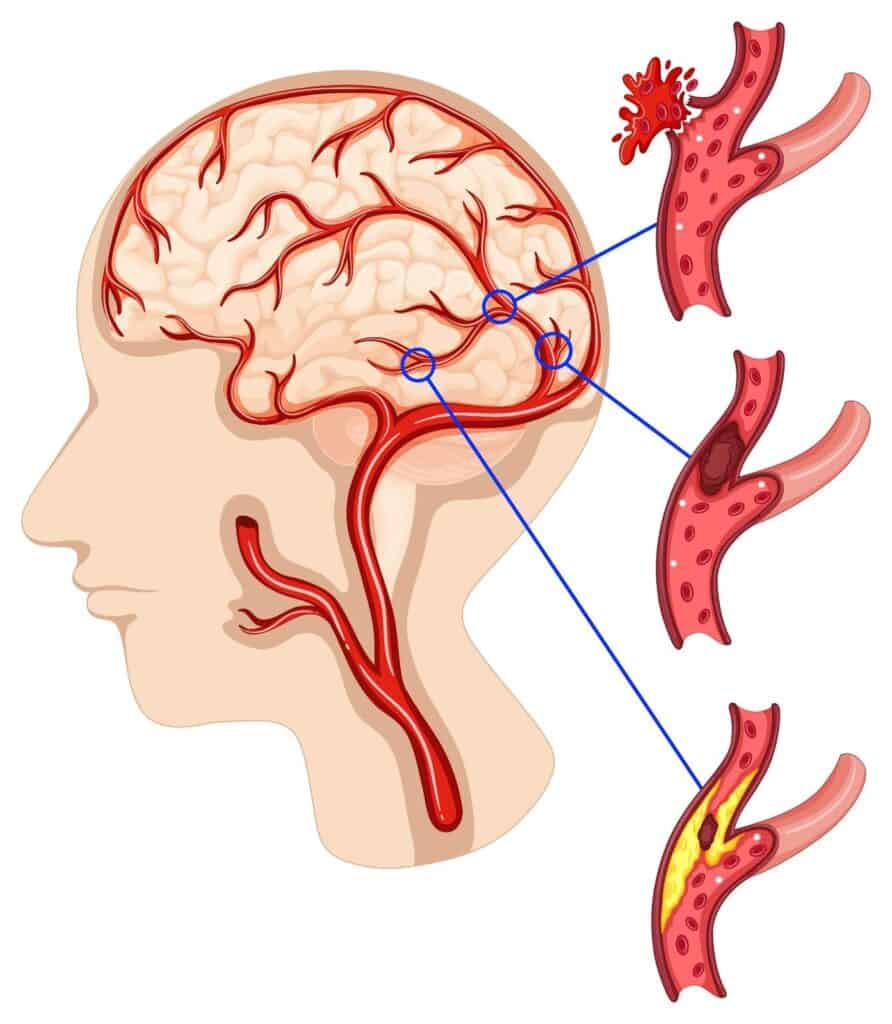
When the arteries in your neck gradually become narrowed by fatty deposits (atherosclerotic plaques), circulation can be impaired. In some cases, a small piece of plaque can break off and block a smaller vessel in your brain, causing a TIA (transient ischemic attack) or stroke.
Therefore, this examination is not just a "check", but an important preventive step!
Symptoms that should not be ignored
Not every headache means you have a problem with your blood vessels, but some signs deserve special attention, especially when they recur:
- Frequent, unusual headaches.
- Dizziness.
- Loss of balance.
- Blurred vision (especially in one eye) or temporary "darkening".
- Numbness, weakness, or tingling in the face, arm, or leg (especially on one side).
- Temporary difficulty speaking.
These symptoms can be related to many causes, but should be professionally evaluated to rule out circulatory problems.
Who should perform this examination more often?
Doppler echocardiography of the neck vessels is often recommended in people with cardiovascular risk factors, even when symptoms are mild.
It can be especially useful if:
- You have high blood pressure or values that fluctuate frequently. (See also: High blood pressure: symptoms, risks and how to control it)
- You have high cholesterol or elevated triglycerides. (Read: Everything you need to know about high cholesterol)
- You have diabetes, which increases your risk of blood vessel damage. (See also: Diabetes: symptoms, prevention and treatment)
- You smoke, are overweight, or lead a sedentary lifestyle.
- You have a family history of problems such as heart attack, stroke, or blood vessel disease.
- You have previously had a TIA, stroke, or heart problems.
- Do periodic checkups and want a more complete assessment.
Anemia can also sometimes be accompanied by fatigue, dizziness, and weakness, so it is important to differentiate the causes.

What can Echo Doppler detect?
This examination can identify several situations that directly affect the brain's blood supply:
Narrowing (stenosis) in the carotid arteries
This is one of the most important findings, because the carotids are the "main arteries" of blood to the brain!
Atherosclerotic plaques and the risk of embolism
The doctor can assess not only the presence of plaques, but also their characteristics.
Partial or complete blockages
In some cases, blood flow may be significantly restricted.
Flow disorders in the vertebral arteries
These arteries supply the back of the brain and can cause dizziness and balance disorders.
Changes in blood vessel walls.
Echo Doppler helps assess the overall vascular condition.
How is the examination performed?
One of the reasons why Doppler is such a sought-after examination is its simplicity.
- You lie on your back, with your neck slightly turned to the side.
- A gel is placed on the neck area (as in any ultrasound examination).
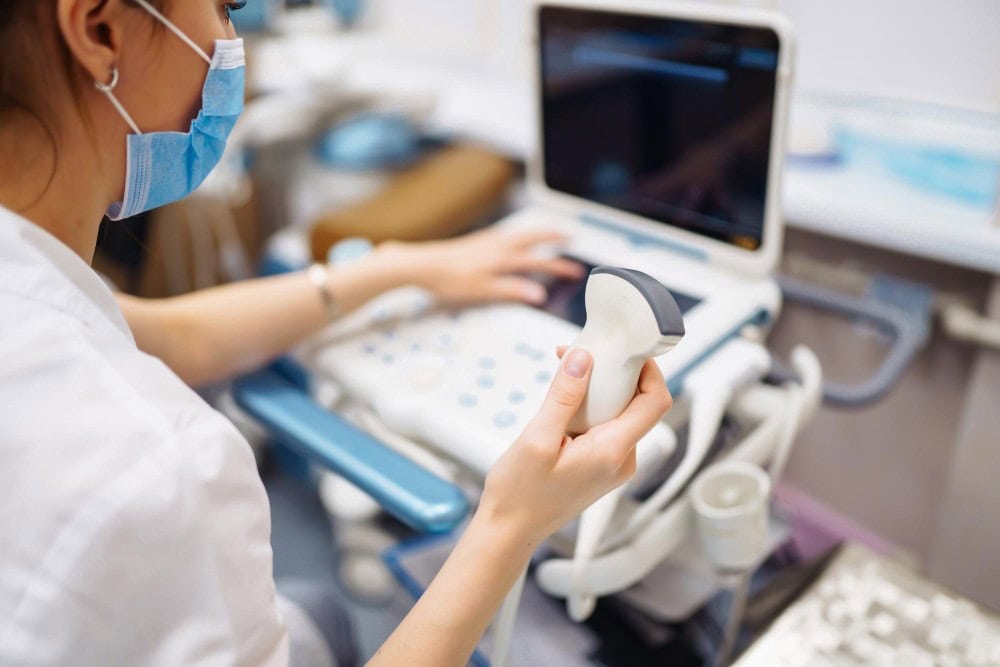
- The doctor moves the probe over the main arteries.
- Blood vessels appear on the screen, while Doppler measures the speed of blood flow.
- Echo Doppler usually takes about 15–30 minutes, depending on the case.
- There are no needles, no radiation, no pain.
Is preparation needed before Echo Doppler?
In most cases, no special preparation is required. However, some simple tips can help make the examination as clear as possible:
- Wear comfortable clothes and avoid very tight collars.
- Avoid using creams/ointments on your neck on the day of the examination.
- If you smoke, avoid it a few hours before the test, because it can affect vascular tone.
- If you take medications for blood pressure, heart disease, or blood thinning, they are usually not discontinued, but always consult your doctor.
- If the examination is part of a broader check-up, you may also be suggested to have blood tests, for example a lipidogram or glycemia.

What do the results show?
The results are interpreted by combining the anatomical appearance and blood flow parameters. It is not enough to just say “there is plaque” or “there is no plaque”. What is important is:
- What is the percentage of vessel narrowing?
- Where is the bottleneck?
- How is the circulation in different parts of the vessel?
- Are there any danger signs for embolism?
If significant stenosis is detected, the doctor may suggest:
- evaluation by a cardiologist/neurologist,
- treatment update (e.g. other medications for blood pressure, cholesterol, diabetes),
- periodic repeated checks for monitoring,
- in certain cases, specialized treatment according to indication.
For this reason, it is very important that the result is not read "alone", but is accompanied by professional consultation.
Why risk factors matter more than you think
Many people understand high blood pressure as “a number on the clock.” But uncontrolled blood pressure, over the years, damages blood vessel walls and accelerates atherosclerosis.
The same thing happens with high cholesterol: it doesn't hurt, it doesn't give early signs, but it can build up plaques "silently.".
For this reason, it is also useful to read prevention materials, such as: 5 tips for preventing heart attack. Often, the same lifestyle that protects the heart also protects the brain!
Headache and dizziness: when are they related to blood circulation?
Headaches have many causes: stress, muscle tension, vision problems, migraines, sinusitis. But there are some situations where the doctor may also suspect blood circulation:
- When the headache is accompanied by blurred vision.
- When the patient has temporary numbness or weakness.
- When the patient has episodes of "blacking out" or loss of balance.
- When the headache appears suddenly and is stronger than usual.
In these cases, Doppler of the neck vessels is an important step in understanding whether the blood supply to the brain is regular.
The role of periodic checks in prevention
Vascular health is not something that is "fixed" only when a problem occurs. In many cases, prevention begins with simple checks: blood pressure, cholesterol analysis, glucose, as well as a general assessment.
When these checks are combined with examinations such as Echo Doppler, the chance of catching the risk early is greatly increased!
Why choose Family Hospital?
When it comes to the vessels that supply the brain, details matter. Echo Doppler is a technical examination: it requires good equipment, but also accurate interpretation.
At Family Hospital, the examination is performed with the most modern technology interpreted by Dr. Ferdinand Muja and Prof. Dr. Krenar Preza, professionals specialized in radiology and imaging. Our focus lies on:
- Clarity of diagnosis
- Real risk assessment,
- Proper guidance for next steps.
⚕️ Contact us now and book an Echo Doppler consultation and examination with Dr. Ferdinand Muja and Prof. Dr. Krenar Preza.
When should you seek emergency help?
There are symptoms that don't wait! Seek help immediately if you have:
- sudden numbness/weakness on one side of the body,
- difficulty speaking or sudden confusion,
- drooping of one side of the face,
- sudden loss of vision,
- very severe and unusual headache.
These could be signs of a serious problem and should be treated as an emergency!
A simple step that can make a difference
Echo Doppler of the neck vessels is a simple but valuable examination. It does not replace a neurological or cardiological consultation, but it is often the starting point that makes it clearer what is happening with blood circulation to the brain.
If you have symptoms such as frequent headaches, dizziness, loss of balance, or episodes of numbness, do not leave them without a professional evaluation.
For accurate guidance and a plan suitable for your case, you can go to Family Hospital for an Echo Doppler and interpretation by specialized doctors.