English
  Albanian

Regular medical check-ups are one of the most important ways to maintain health and detect problems that may develop in the body in a timely manner. In recent years, more and more people have been paying attention to preventive check-ups, especially after the age of 40.
One of the questions patients often ask is: Should tumour markers be included in the annual check-up?
In many cases, the answer is yes. Tumour markers are laboratory tests that can help in the early identification of certain changes associated with oncological diseases.
This does not mean that every person must necessarily undergo them every year, but for many patients, especially those over 40 or with a family history of oncological diseases, these tests can be an important part of a general check-up.
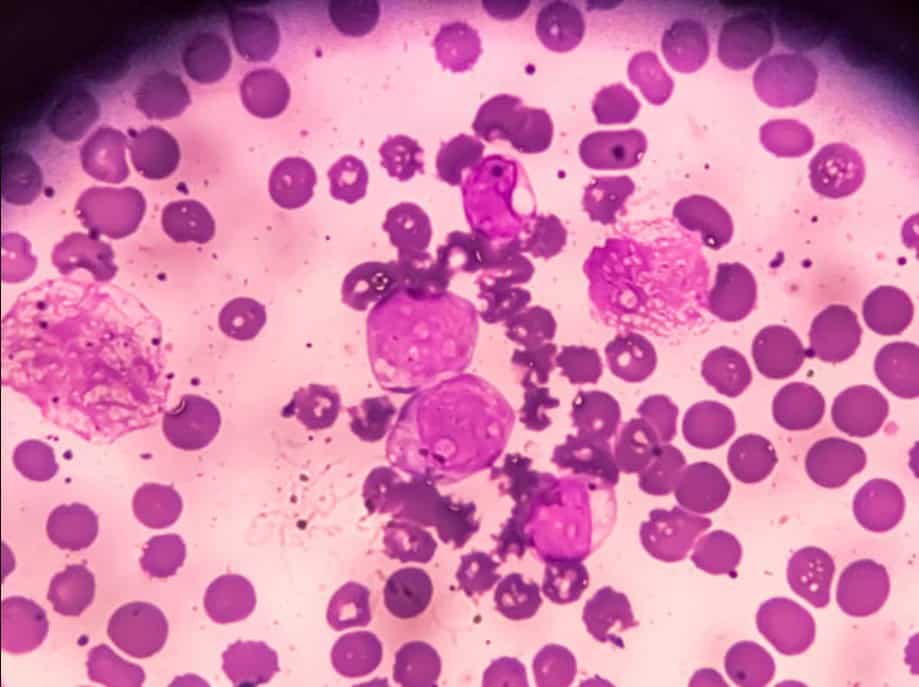
What are tumour markers?
Tumour markers are substances that can be found in blood, urine or tissues and are produced by tumor cells or by the body in response to a tumour.
These substances can help doctors identify changes that may be linked to some types of cancer.
However, it is important to understand that tumour markers are not a single test that confirms the presence of cancer.
Their results are always interpreted by the doctor in combination with other laboratory analyses, imaging examinations, and the patient's medical history.
| Tumour markers | Who is it recommended for? | What helps to assess | When is it usually recommended |
| Public Service Announcement | Men | Prostate health and changes associated with prostate diseases | Past the age of 40-50 or as recommended by a doctor |
| ca 125 | Woman | Changes related to the ovaries and reproductive system | Specifically for women over the age of 40 |
| CA 15-3 | Woman | Monitoring of breast health and possible changes in breast tissue | As part of a gynaecological examination and annual check-up |
| CEA | Men and women | Changes that may be related to certain types of digestive tract tumours | As per the doctor's recommendation and family history |
| AFP | Men and women | Monitoring of liver health and certain specific tumours | When there are risk factors or symptoms |
Tumour markers are important in preventative screenings because they can help detect certain cancers at an earlier, more treatable stage.
In many cases, oncological diseases can develop for a long time without showing obvious symptoms.
This is why preventative checks are so important.
Tumour markers can help in identifying biological changes at very early stages.
The earlier a problem is identified, the greater the chance of successful treatment.
In many cases, early diagnosis can make the difference between a simple treatment and a more complex one.

Most common tumour markers
There are many types of tumour markers, but some of them are used more often in routine checks.
PSA for men
PSA (Prostate Specific Antigen) is one of the most common tests for monitoring prostate health in men.
This analysis helps identify changes in the prostate and can be an early indicator of potential problems.
PSA is often recommended for men over the age of 40 or 50, particularly if they have a family history of prostate problems.
CA-125 for women
CA-125 is a tumour marker which is mainly associated with ovarian problems.
This analysis is often used to monitor the health of the female reproductive system and to identify changes that may require further examination.
However, CA-125 can also be elevated in some non-cancerous conditions, therefore the interpretation of the results should always be done by a specialist doctor.
CA 15-3 for women
CA 15-3 is a tumour marker that is primarily used for monitoring breast health in women.
This analysis can help identify breast disease-related changes and is often used in conjunction with other examinations such as ultrasound or mammography.
Regular check-ups help with early diagnosis and the prevention of complications.
Should tumour markers be done every year?
For many people, especially after the age of 40, tumour markers can be an important part of the annual check-up.
However, the need for these analyses depends on several factors, such as age, family history of oncological diseases, possible symptoms, and the doctor's recommendation.
In some instances, a doctor may recommend a broader panel of tests to get a more comprehensive health assessment.
That's why it's very important that the interpretation of tumour markers is always done by a specialist.
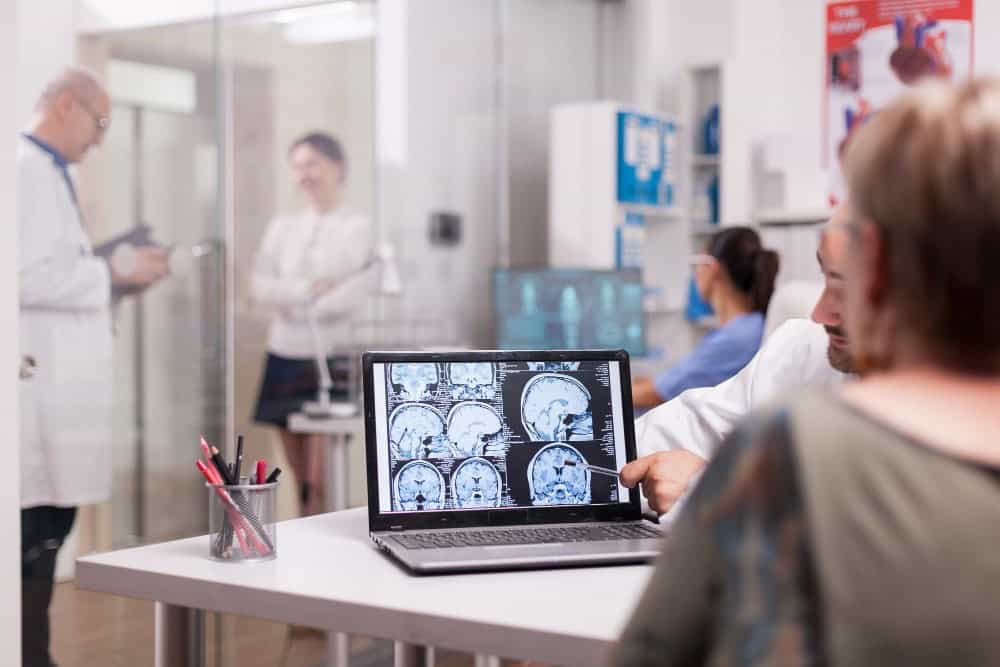
The importance of early diagnosis
In modern medicine, early diagnosis is one of the most important factors in the successful treatment of many diseases.
The sooner a problem is identified, the greater the opportunities for effective treatment and recovery.
Regular check-ups help identify changes at the earliest stages and prevent complications.
For this reason, many specialists recommend that laboratory checks and diagnostic examinations be carried out regularly.
The concept of “One Stop Hospital” at Family Hospital
At Family Hospital, the modern “One Stop Hospital” concept has been implemented.
This concept has been created to offer patients fast, accurate, and coordinated diagnostics in a single location.
If early symptoms of a tumour are suspected, patients can undergo:
- laboratory examination
- radiological examination
- True cut biopsy
- Consultation with an oncologist
and all of that in a single day.
This approach helps reduce waiting times, speed up diagnosis, and provide faster and more effective treatment.
One stop for complete diagnosis
The purpose of this system is so that patients do not need to visit many different centres for analyses and examinations.
At Family Hospital, every step of the diagnostic process is coordinated by a team of specialists.
The patient benefits from a coordinated medical journey, where every examination and consultation is planned in an integrated manner.
This not only increases diagnostic accuracy but also makes the patient experience much easier and safer.
Stay one step ahead for your health
Regular check-ups are a significant investment in long-term health.
Tumour markers can be a valuable tool for the early identification of changes in the body and for monitoring health.
The sooner the tests are done, the greater the chance of successful treatment.
Therefore, do not wait for symptoms to appear before having a check-up.
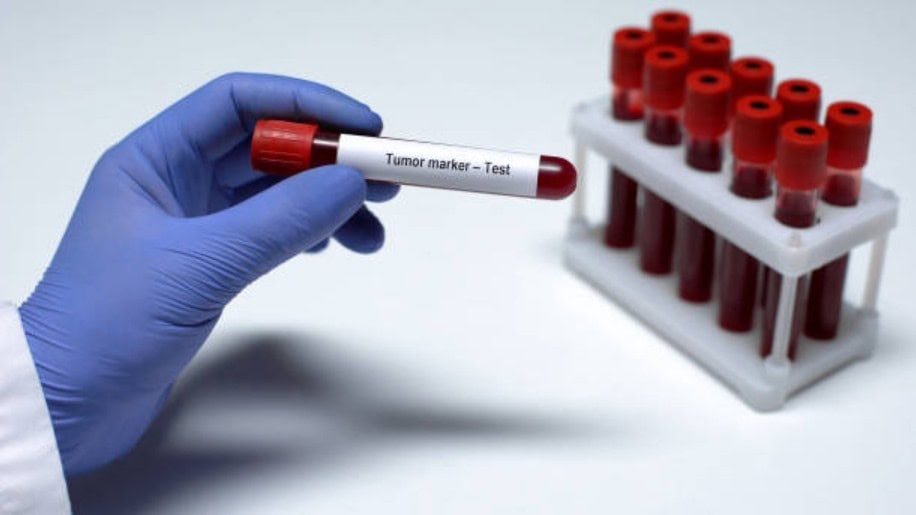
Have your check-up at Family Hospital
At Family Hospital, we offer comprehensive laboratory and diagnostic tests for health monitoring and the early identification of problems.
Our medical team is committed to providing professional care and accurate diagnosis for every patient.
Stay one step ahead for your health.
A culture of caring…!
📞 Phone: +355 44 50 50 55
📞 Cell: +355 69 60 60 620
📍 Congress of Manastir Street, Tirana