English
  Albanian

Hypertension is no longer just a problem for older age groups. In recent years, high blood pressure has been appearing more and more frequently among young people, often as a result of daily stress, unhealthy diet, lack of physical activity, obesity, smoking, and bad lifestyle habits. Since hypertension can develop without obvious symptoms, regular blood pressure checks and preventative cardiology visits are important steps for protecting the heart and circulation.
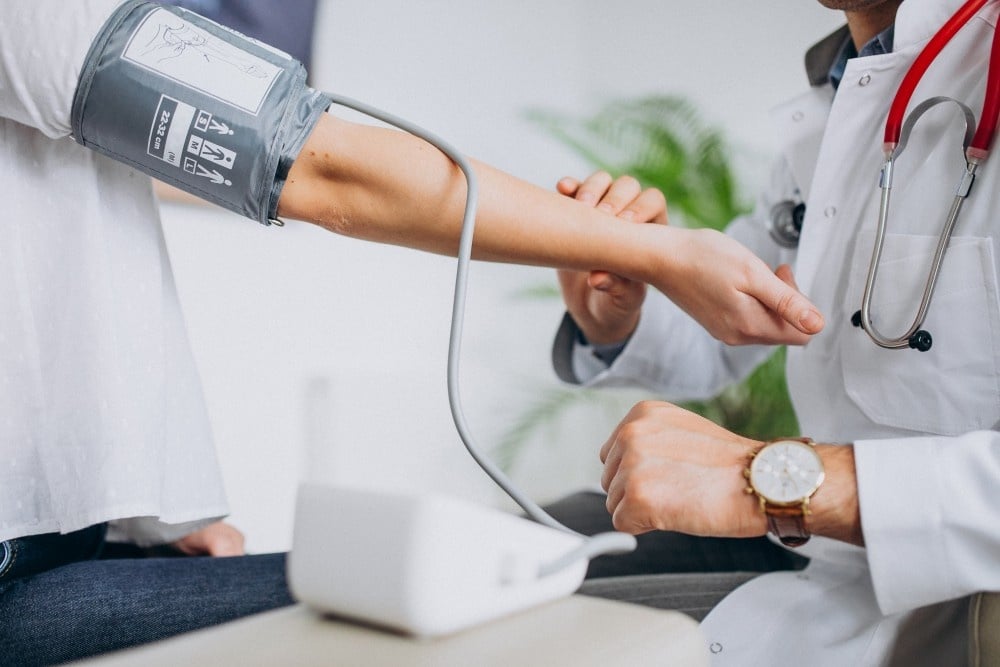
Hipertensioni
Hypertension is the condition when blood pressure in the arteries remains higher than normal for a continuous period. This means that the heart has to work harder to pump blood around the body, while the blood vessels are subjected to increased pressure.
The main problem is that high blood pressure often gives no clear signs. A person can feel well, be active in their daily life, and still have high blood pressure readings. For this reason, hypertension is considered a “silent” problem because it can gradually damage the heart, brain, kidneys, and blood vessels without being noticed in time.
Why is hypertension appearing more often in young people?
One of the main reasons is the lifestyle. Many young people spend long hours sitting, working in front of computers, moving little, and consuming fast, processed, or high-salt foods.
Excess sugar, unhealthy fats, energy drinks, frequent coffee consumption, alcohol, and smoking can affect blood pressure. When these habits become part of everyday life, the risk of cardiovascular problems gradually increases.
Stress also plays an important role. Pressure at work, studies, lack of sleep, anxiety and constant fatigue can affect heart rate, the hormonal system and blood pressure. If this condition persists for a long time, the body may start to react with higher blood pressure readings.
The role of family history
Hypertension is not solely linked to lifestyle. Family history is a very important factor. If one or both parents have high blood pressure, heart disease, diabetes, or circulation problems, the risk of developing hypertension may be higher.
This does not mean the problem is inevitable, but it does mean that checks should begin earlier. A young person with a family history of cardiovascular disease should be more careful with blood pressure monitoring, periodic analyses, and preventive cardiological check-ups.
What are the signs that should not be ignored?
Many people with hypertension have no symptoms, but in some cases, signs may appear that should be taken seriously. Among the most common are headaches, dizziness, rapid heartbeats, unusual fatigue, a sensation of pressure in the chest, difficulty breathing, or blurred vision.
In some cases, patients may also experience circulation-related discomfort, such as numbness, heaviness, swelling, or pain in the legs. These symptoms are not always directly linked to hypertension, but can be signs of blood vessel problems and require medical evaluation.
Leg pain, swelling, a feeling of heaviness or numbness should not be ignored, especially when they are recurrent, worsen during walking, or are accompanied by other circulatory changes.

Faktorët që mund të kontribuojnë në tensionin e lartë të gjakut përfshijnë: * Moshë * Racën * Histori familjare * Stili i jetesës (pesha, aktiviteti fizik, dieta, konsumimi i alkoolit, duhani, stresi).
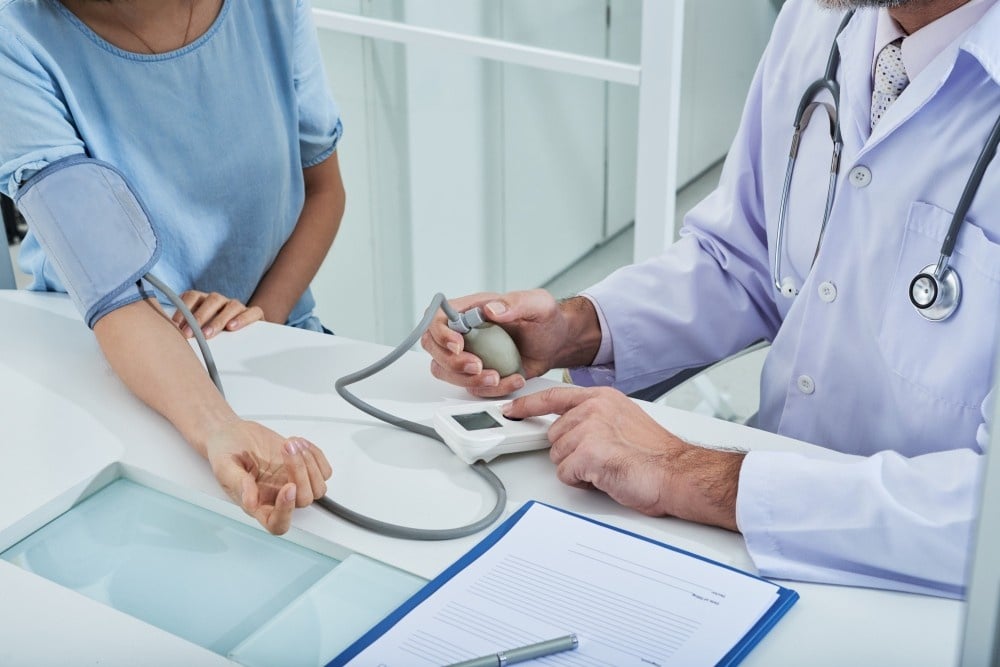
Taking blood pressure is a simple, quick and very valuable check. It can detect a problem in time that might otherwise go unnoticed.
Regular monitoring helps in identifying high values, tracking changes over time, and taking appropriate measures before hypertension causes more serious damage.
For young people who have high stress, are overweight, have a family history, high cholesterol, diabetes, smoke, or lack physical activity, a preventive cardiology check-up is even more important.
What does a preventive cardiology check-up involve?
A cardiological examination may include blood pressure measurement, ECG, echocardiography, laboratory tests, and other examinations as required by the patient. The aim is not only to detect if blood pressure is high, but also to understand the cause and the most appropriate way to manage it.
In some cases, the doctor may recommend more regular blood pressure monitoring, lifestyle changes, additional tests, or medication. Any decision is made based on the patient's condition, risk factors, and examination results.
At Family Hospital, renowned doctors like Dr. Ina Refatllari and Dr. Anisa Marku are available for cardiological visits and specialist consultations, offering professional assessment and care tailored to each patient's needs.
Doppler ultrasound for circulation problems
Leg pain, swelling, a feeling of heaviness, or numbness are often signs of circulatory problems and should not be ignored. These concerns can be related to arterial or venous issues, which require accurate diagnosis.
Echo Doppler arterial and venous is an examination that helps assess blood circulation in the arterial and venous vessels. It can help in the early detection of circulatory disorders, before symptoms worsen and complications arise.
At Family Hospital, examinations are conducted with modern technology and interpreted by specialist doctors such as Dr. Ferdinand Muja and Prof. Dr. Krenar Preza, to ensure accurate diagnosis and appropriate treatment.
How can hypertension be prevented in young people?
Prevention begins with healthier daily habits. Reducing salt, choosing fresher foods, regular physical activity, weight management, quality sleep, and stress management are important steps for protecting your heart.
Both smoking cessation and alcohol restriction have a significant impact on cardiovascular health. These changes may seem simple, but when implemented consistently, they help reduce the risk of hypertension and other heart diseases.
However, lifestyle does not replace medical check-ups. If blood pressure readings are high or if risk factors exist, it is important to consult a specialist doctor.
Cardiology services at the Family Hospital
Hypertension in young people is a problem that should not be ignored. The sooner it is detected, the greater the chances of managing it safely and preventing complications.
At Family Hospital, patients can undergo cardiac check-ups, blood pressure measurements, diagnostic examinations, and specialist consultations for the assessment of heart and circulatory health.
If you have a family history, continuous stress, are overweight, lack physical activity, experience chest pain, irregular heartbeats, or circulation problems, seek a specialist check-up at Family Hospital.
Accurate diagnostics. Timely prevention. Professional care for the heart and circulation.
Frequently asked questions
Can young people have high blood pressure?
High blood pressure can also appear in young people, especially when there are risk factors such as constant stress, unhealthy diet, being overweight, lack of physical activity, smoking, or a family history of heart disease.
Does hypertension always have symptoms?
Many people with high blood pressure do not have obvious symptoms. For this reason, regular blood pressure monitoring is very important, even when you feel well.
What are the signs that can be linked to high blood pressure?
Some people may experience headaches, dizziness, unusual tiredness, rapid heartbeats, chest pressure, difficulty breathing, or blurred vision. If these signs recur, a medical examination should be performed.
When should I see a cardiologist?
You should see a cardiologist if you have high blood pressure, a family history of heart problems, chest pain, irregular heartbeats, unusual fatigue or risk factors such as diabetes, high cholesterol, smoking or being overweight.
Can hypertension be prevented?
In many cases, the risk can be reduced with lifestyle changes. Physical activity, a healthier diet, salt reduction, weight control, regular sleep and stress management help protect the heart and circulation.
Why is preventive cardiology screening important?
Preventative checks help in the early detection of high blood pressure and other risk factors before complications arise. They give the doctor the opportunity to assess the heart's condition and recommend the most appropriate follow-up.
What do leg pain, swelling, or numbness have to do with circulation?
Pain in the legs, swelling, heaviness or numbness can be signs of blood circulation problems. These symptoms should not be ignored, especially if they recur or worsen during walking.
What is an arterial and venous Doppler Ultrasound used for?
Echo Doppler arterial and venous helps in assessing blood circulation in arterial and venous vessels. This examination can help in the early detection of circulation disorders and in determining the appropriate treatment.
Does A Ofron Family Hospital offer blood pressure and circulation checks?
At Family Hospital, patients can undergo cardiological visits, blood pressure checks, diagnostic examinations and arterial and venous Doppler ultrasounds, as recommended by the specialist doctor.