English
  Albanian

Problems with urination, frequent waking during the night, a weak urine flow, the sensation of not fully emptying the bladder, or pelvic pain are signs that should not be ignored. Many men think they are a normal part of aging or that they will pass on their own. In reality, these symptoms can be related to an enlarged prostate, inflammation, infections, or other changes that require urological assessment!

What is the prostate?
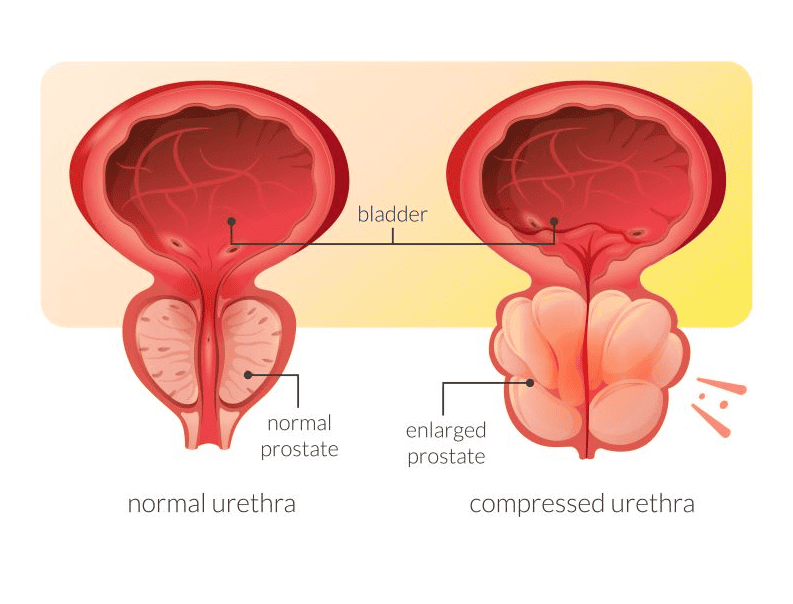
The prostate is a small gland located below the bladder and surrounds a part of the urinary tract, called the urethra. It is part of the male reproductive system and plays a role in producing fluid that helps transport sperm.
As men age, their prostate can undergo changes. In many men, it can gradually enlarge and put pressure on the urethra. When this happens, urination may become more difficult, more frequent, or incomplete.
All prostate changes are serious, but any recurring symptom should be assessed by a urologist.
Why is prostate screening important?
Prostate checks are important because they help in the early detection of problems that can affect urination, sexual health, and a man's overall well-being. Many prostate disorders can be treated more effectively when diagnosed early.
If symptoms are neglected, they can worsen and affect daily life. Waking up several times a night to urinate, difficulty starting to urinate, a weak stream, or the sensation of an incompletely emptied bladder can lead to fatigue, stress, and constant worry.
A urological check-up should not be seen as something done only when a problem is advanced. It is an important preventive step, especially after a certain age or when there is a family history of prostate problems.
What are the signs that should not be ignored?
Prostate problems often appear through changes in urination. Initially, symptoms can be mild and may only appear occasionally, but over time they can become more frequent.
Signs that should prompt you to see a urologist include:
- frequent urination during the day;
- frequent nighttime awakenings to urinate;
- Weak or interrupted urine flow.;
- Difficulty initiating urination;
- A sensation as if the bladder does not empty completely.;
- Urgent need to urinate;
- Dribbling after finishing urination;
- Burning or pain during urination;
- pain in the lower abdomen, back, or pelvic area;
- Blood in urine or semen.
These symptoms don't always indicate a serious problem, but they are sufficient reason for a urological consultation.
Enlarged prostate: A common problem in men
Benign prostatic enlargement is one of the most common problems affecting men as they age. The word “benign” means that it is not cancer, but this does not mean that symptoms should be ignored.
When the prostate enlarges, it can narrow the urinary canal and obstruct the normal flow of urine. This causes difficulty in urination, a weak stream, frequent urination, and a feeling of incomplete emptying.
In some cases, if the problem is not treated, urinary infections, bladder stones, residual urine after urination, or further damage to the urinary system may appear. For this reason, early assessment by a urologist is very important.
Prostatitis: Inflammation of the prostate
Another common problem is prostatitis, which means inflammation of the prostate gland. It can occur in men of different ages, not just older ones.
Prostatitis can cause pain in the pelvic area, pain during urination, frequent urination, a burning sensation, lower back pain, or discomfort during ejaculation. In some cases, it may also be accompanied by fever and a general feeling of being unwell.
Treatment depends on the cause and form of prostatitis. For this reason, it is important to avoid taking antibiotics or medications without a doctor's recommendation, but rather to undergo a urological examination and the necessary tests.
Prostate screening and early detection
One of the most important reasons why men should have urological check-ups is the early detection of prostate changes. Some problems can develop without showing clear symptoms at first, so regular check-ups help identify them in the earlier stages.
This is especially important for men over 45-50 years old, as well as for those with a family history of prostate problems. If a father, brother, or close relative has had prostate disease, check-ups should be taken more seriously and should not be put off.
Early diagnosis gives the doctor the opportunity to monitor the condition carefully and recommend the most appropriate treatment, if necessary.
What does a urological examination involve?
A urological visit begins with a detailed conversation with the doctor. The urologist will ask about symptoms, their duration, frequency of urination, waking up at night, pain, family history and other illnesses that could affect urinary health.
The doctor may then recommend laboratory tests and appropriate examinations as necessary. These may include urine analysis, blood analysis, PSA, ultrasound of the urinary system or other examinations that help assess the prostate, bladder and kidneys.
The aim of the visit is not only to establish a diagnosis but also to understand how the problem is affecting the patient's life and which treatment is most suitable.
What is PSA analysis?
PSA is a blood test used to assess prostate health. PSA levels can rise in several conditions, such as an enlarged prostate, inflammation, infection, or other changes that require further evaluation.
It is important to understand that PSA alone does not make a diagnosis. It is interpreted by the urologist along with symptoms, age, family history, and the results of other examinations.
Therefore, if the PSA comes back high, panic should not ensue, but proper medical assessment should be carried out.
Should screening be done even without symptoms?
However, in many cases, prostate checks are recommended even without symptoms, especially after the age of 45-50, or earlier if there is a family history of prostate problems. The reason is that some changes may not show any signs in the early stages.
Preventative check-ups are a way to be safer and not wait until symptoms become bothersome or advanced.
Men often avoid urological visits due to discomfort, fear, or lack of information. However, the visit is a normal and important step for men's healthcare.
Si trajtohen problemet e prostatës?
Treatment depends on the diagnosis, the patient's age, the intensity of symptoms, and their general health. In some cases, a doctor may recommend only periodic observation and lifestyle changes.
In other cases, medication may be needed to improve urination, reduce inflammation, or treat infection. If symptoms are severe or if there are complications, the urologist may recommend more advanced treatments.
It is important that the treatment is determined by the specialist doctor and not based on self-medication or general advice.

Cilat janë masat që mund të ndërmerren për të mbrojtur shëndetin e prostatës?
Certain healthy habits can help support urological health. Regular water intake, physical activity, weight management, limiting alcohol, and avoiding smoking are important steps.
Furthermore, it is recommended not to hold urine for extended periods, to reduce excessive caffeine intake if it worsens symptoms, and to have regular check-ups as recommended by a doctor.
However, these measures do not replace a urological visit when symptoms are present. If you have concerns, an assessment by a specialist is the safest step.
Urological care at Family Hospital
At Family Hospital, patients can have urological consultations with specialist doctors for the assessment of the prostate and urinary problems. The urological consultation, laboratory tests and relevant examinations help establish the diagnosis and determine the appropriate treatment.
Each patient is assessed individually, according to their symptoms, age, risk factors and general health status. The aim is accurate diagnosis, careful monitoring and treatment tailored to the patient's needs.
If you are experiencing problems with urination, frequently waking up at night, feeling pain in the pelvic area, or have a family history of prostate problems, do not delay your urology appointment.
Prevention. Early diagnosis. Professional healthcare for male health.
Frequently Asked Questions about Prostate Examination
When should a man have a prostate check?
Prostate check-ups are particularly recommended after the age of 45-50, or earlier if there are urinary symptoms or a family history of prostate problems.
Problemet me prostatën zakonisht Manifestohen në disa mënyra kryesore. Këto përfshijnë: * **Probleme me urinimin:** Kjo është ndoshta shenja më e zakonshme. Mund të përfshijë: * Vështirësi në fillimin e urinimit. * Rrjedhje e dobët ose ndërprerje gjatë urinimit. * Ndjesia se fshikëza nuk është zbrazur plotësisht. * Dëshirë e shpeshtë për të urinuar, veçanërisht gjatë natës (nokturia). * Dëshirë e papritur dhe urgjente për të urinuar. * Dhimbje ose ndjesi djegie gjatë urinimit. * **Gjak në urinë ose spermë:** Ky është një simptomë që kërkon vëmendje mjekësore të menjëhershme. * **Dhimbje:** Mund të ndjeni dhimbje në: * Barkun e poshtëm. * Në zonën midis testikujve dhe anusit (perineum). * Shpinën ose legen. * Gjatë ejakulimit. * **Probleme me ereksionin:** Disa probleme me prostatën mund të ndikojnë në aftësinë për të arritur ose ruajtur një ereksion. Është e rëndësishme të theksohet se këto simptoma nuk nënkuptojnë domosdoshmërisht kancerin e prostatës. Shfaqja e tyre mund të jetë shkak i kushteve më pak serioze, siç është zmadhimi beninj i prostatës (BPH) ose prostatiti (infeksion i gjendrave të prostatës). Megjithatë, çdo ndryshim ose shqetësim në lidhje me prostatën duhet të diskutohet me një mjek.
The most common signs include frequent urination, waking up during the night, a weak urine flow, difficulty starting urination, and a feeling of incomplete bladder emptying.
Is it normal to wake up frequently at night to urinate?
Waking up occasionally can happen, but if it repeats often, it could be a sign of prostate or urinary system problems and should be assessed by a urologist.
Does a prostate examination hurt?
A urological visit is usually not painful. The doctor decides which examinations are necessary based on the patient's symptoms and condition.
What is PSA?
PSA is a blood test that helps to assess prostate health. It is interpreted by the doctor alongside the consultation and other examinations.
Should I get checked even if I don't have symptoms?
Preventive check-ups can be important, especially after a certain age or if there's a family history of prostate problems.
Where can I get a prostate exam?
At Family Hospital, patients can undergo urological consultations, laboratory analyses, and relevant examinations for the assessment of the prostate and urological health.