English
  Albanian

Self-care doesn't just begin when a concern arises. It starts much earlier, in the daily choices we make about our bodies, nutrition, exercise, sleep, and medical check-ups. When it comes to breast health, prevention and awareness are two of the most important steps any woman should consider.
Breast cancer is one of the most common diseases affecting women worldwide. Although not every risk factor can be controlled, such as age, family history, or genetic predisposition, many daily habits can positively influence risk reduction. A healthy lifestyle is not an absolute guarantee, but it is an important way to support the body and reduce the possibility of developing certain diseases, including breast cancer.
At Family Hospital, oncologists and senologists offer consultations, examinations, and specialised advice for women who want to better care for their breast health. Because prevention isn't just a medical word; it's a decision that starts today.
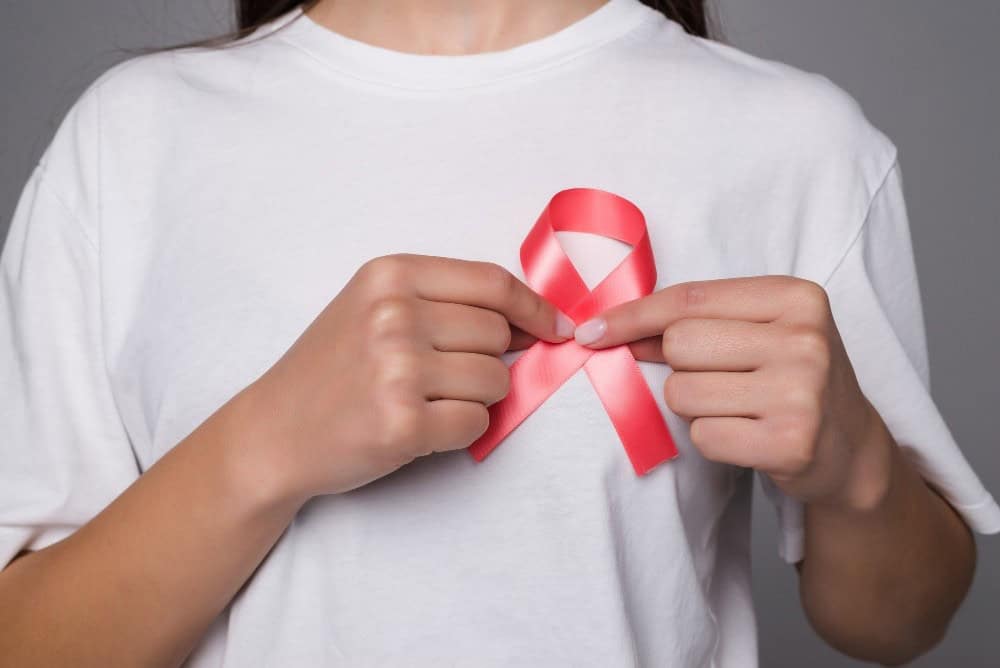
Why is lifestyle important for breast health?
Our bodies are affected daily by how we eat, how much we move, how much we rest, and how we manage stress. These factors can influence body weight, hormone levels, inflammation in the body, and the functioning of the immune system. All of these are directly or indirectly related to long-term health.
In the case of breast cancer, some risk factors are unchangeable. For example, a woman cannot change her age, family history, or certain genetic factors. However, she can choose to have regular check-ups, maintain a healthy weight, limit alcohol, be physically active, and not ignore the signals her body sends.
This is why doctors often emphasise the importance of prevention. Not because everything is in our hands, but because some simple steps can have a big impact on overall health.
Balanced nutrition: an important foundation for the body
One of the most important steps for a healthy lifestyle is balanced nutrition. It's not about strict diets or extreme restrictions, but about a way of eating that gives the body the nutrients it needs.
Fruits, vegetables, whole grains, legumes, fish, nuts, seeds, and healthy fats are part of a diet that supports well-being. These foods are rich in vitamins, minerals, fibre, and antioxidants, which help the body function better.
On the other hand, it is advisable to limit the consumption of highly processed foods, products with a lot of sugar, unhealthy fats, and frequent meals that are high in calories but low in nutrients. These habits can contribute to weight gain and increase inflammation in the body.
A healthy meal doesn't have to be complicated. It can include fresh vegetables, a quality protein source, a bit of whole grains, and good fats like olive oil. The best way to make this a sustainable lifestyle is to choose foods you enjoy and can naturally incorporate into your routine.
Regular physical activity and its role in reducing risk
Movement is one of the simplest and most effective ways to support your health. Physical activity helps maintain a healthy weight, improves blood circulation, has a positive effect on metabolism, and helps regulate hormone levels.
It's not necessary to do intensive exercise every day to benefit. Brisk walking, swimming, cycling, Pilates, yoga, dancing, or light home exercises can be very good ways to stay active. The important thing is that the movement is regular and adapted to your physical condition.
For many women, the main obstacle is not a lack of desire, but a lack of time. However, even 20–30 minutes of walking a day can be a great start. You can choose the stairs instead of the lift, walk more during the day, do light exercises in the morning, or plan physical activities during the weekend.
Physical activity doesn't just help the body. It also impacts emotional well-being, reduces stress, and improves sleep quality. For this reason, movement should be seen as a form of self-care, not an obligation.
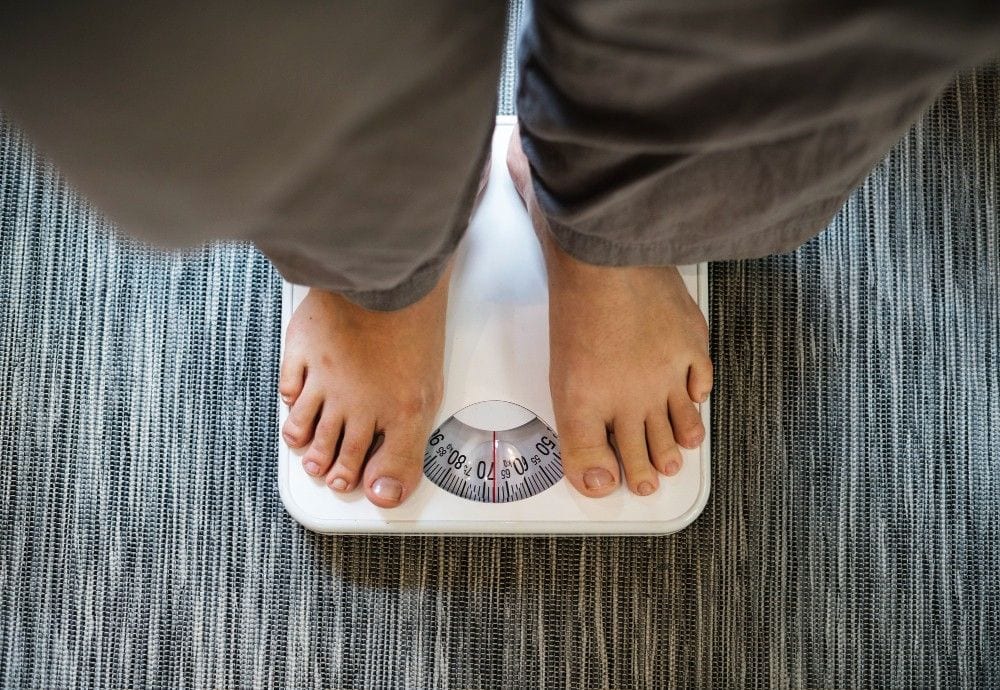
Maintaining a healthy body weight
Body weight is an important factor for hormonal and metabolic health. Particularly after menopause, being overweight can be linked to a higher risk of certain types of breast cancer. This is because fatty tissue can affect hormone production and inflammation levels in the body.
However, the goal should not be to achieve a perfect body or to pursue aesthetic standards. The goal should be health. A healthy weight is achieved gradually, through balanced nutrition, physical activity, and sustainable habits.
Extreme diets often yield temporary results and can be difficult to stick to. In contrast, small but consistent changes are more effective in the long term. Eating more fresh foods, drinking more water, limiting sugary drinks, and moving regularly are practical steps that make a difference.
If you are experiencing difficulties with your weight, it is advisable to consult with your doctor or a nutrition specialist, so that you can follow a safe and personalised plan.
Limiting alcohol consumption
Alcohol is a factor that is often overlooked when discussing breast health. Regular alcohol consumption can affect hormone levels and increase the risk of certain diseases, including breast cancer.
This does not mean that every glass of alcohol causes illness, but the higher and more frequent the consumption, the greater the impact on health can be. For this reason, limiting alcohol is an important step in prevention.
In everyday life, this can mean choosing non-alcoholic alternatives, limiting alcoholic drinks to special occasions, or being mindful of the amount consumed. Even small changes can have a positive impact on long-term health.

Quality sleep and stress management
We often talk about food and physical activity, but we forget two equally important elements: sleep and stress. The body needs rest to recover, regulate hormones, and support the immune system. When sleep is insufficient or disrupted for a long time, the body can be negatively affected.
Chronic stress, on the other hand, can affect daily habits. When we are stressed, we often eat worse, move less, sleep worse, and neglect medical check-ups. Therefore, stress management is an important part of health care.
There isn't a single method that works for everyone. Some women feel better with physical activity, others with meditation, reading, music, walks, time with family, or talking to a specialist. The important thing is to find healthy ways to release tension and maintain emotional balance.
Quality sleep can be improved with a few simple habits: sleeping and waking up at similar times, limiting screens before bed, avoiding late-day coffee, and creating a relaxing evening routine.
Regular medical check-ups: a step that should not be postponed
A healthy lifestyle is very important, but it does not replace medical check-ups. Even women who eat well, are active, and have no symptoms should undergo regular check-ups according to their age, family history, and doctor's recommendation.
Consulting a senologist helps in assessing breast health and determining necessary examinations. Depending on age and circumstances, a breast ultrasound, mammogram, or other more specialised examinations may be recommended.
Check-ups are particularly important if you have a family history of breast cancer, if you've had previous breast changes, if you've had a result that requires follow-up, or if you notice new symptoms. Early detection can help with better management of the disease and the choice of the right treatment.
Breast self-examination: know your body
Self-examination of the breast is a simple way to get to know your body better. It does not replace a doctor's check-up or imaging examinations, but it can help you notice changes that need to be assessed.
It is good to be mindful of changes such as lumps in the breast or under the arm, changes in breast shape or size, skin dimpling, redness, nipple discharge, changes to the nipple, or unusual pain that persists. If you notice anything like this, do not panic immediately, but do not ignore it. The correct step is to consult a specialist doctor.
Many changes in the breast are benign, but only a professional assessment can determine this with certainty. Therefore, self-examination should always be accompanied by regular medical check-ups.
What you need to know about prevention?
Prevention is not a single action. It is a combination of daily choices and regular check-ups. It is not enough to just eat well, nor just to have check-ups from time to time. The best care comes when these elements are combined.
A healthy routine can include balanced nutrition, physical activity, a healthy weight, limited alcohol consumption, quality sleep, stress management, and regular check-ups with your doctor. These steps don't require drastic changes overnight. It's enough to start gradually and be consistent.
If you don't know where to start, a consultation with your doctor can help you understand which factors are most important for your case and what tests you should have.

Oncologists and Senologists at Family Hospital
At Family Hospital, patients are welcome for consultations, examinations, and advice from specialist doctors in the fields of oncology and senology. The aim is to provide a professional, attentive assessment, tailored to the needs of each patient.
Breast health requires attention, information, and timely action. Whether you're looking for a routine check-up, have a specific concern, or need advice on risk factors, the specialist doctors at Family Hospital are here to guide you.
A conversation with a specialist can help you get clear answers, better understand your health and develop a follow-up plan tailored to you.
Take care of your health today
Breast health is an important part of every woman's well-being. Although we cannot control every risk factor, we can do a lot to support our bodies and be more attentive to the signals they give us.
Small daily choices can have a big impact on the future. A healthier meal, an extra walk, better sleep, less alcohol and a timely medical check-up are simple but very valuable steps.
Look after yourselves. Book your consultation at Family Hospital and receive the correct advice from our oncologists and senologists. Prevention starts today.
Contact us:
📞Phone: +355 44 50 50 55
📞Cell: +355 69 60 60 620
We are located at:
📍Manastir Congress Street, Tirana