English
  Albanian

Leg pain, swelling, heaviness, numbness or coldness in the limbs are symptoms that are often overlooked, but in many cases can be linked to blood circulation problems. When arterial or venous vessels do not function properly, blood does not circulate normally, and this can cause discomfort that worsens over time. For this reason, arterial and venous Echo Doppler is an important examination for the early detection of circulatory disorders and for determining the appropriate treatment.
What is arterial and venous Doppler ultrasound?
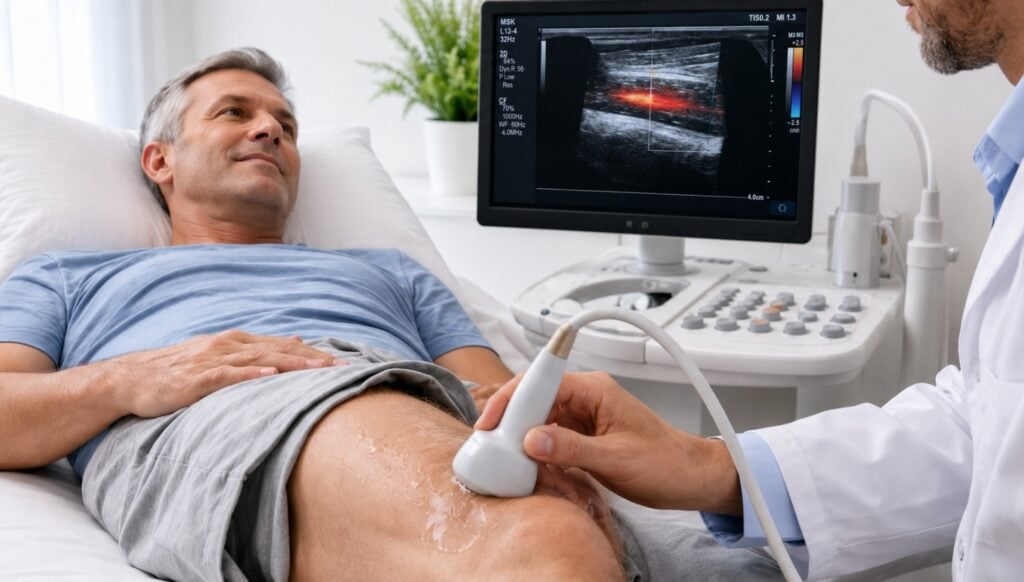
Echo Doppler is a diagnostic examination that uses ultrasound to assess blood flow in blood vessels. This examination helps the doctor to see how blood circulates in arteries and veins, if there are any narrowings, blockages, blood clots, or other problems that may affect vascular health.
Arterial Doppler ultrasound assesses the arteries, which are the vessels that carry blood from the heart to different parts of the body. Venous Doppler ultrasound, on the other hand, assesses the veins, which return blood from the limbs back to the heart.
This examination is important because it helps to identify problems before they cause more serious complications.
Echo Doppler arterial is recommended when: * There are symptoms or signs of peripheral artery disease (PAD), such as leg pain when walking (claudication), non-healing sores on the feet or legs, or a difference in blood pressure between the arms and legs. * There is a suspicion of blood clots in the arteries. * It's necessary to assess the severity of arterial blockages or narrowings. * Monitoring is required after arterial surgery or angioplasty. * There is a risk factor for PAD, such as diabetes, high cholesterol, smoking, or a history of cardiovascular disease, and a screening is deemed appropriate. * There are concerns about aneurysms (bulging of an artery wall).
Echo Doppler arterial is recommended when arterial circulation problems are suspected. Arteries can narrow or become blocked due to fat deposits, high blood pressure, diabetes, smoking, high cholesterol, or other risk factors.
Patients may feel pain in their legs when walking, rapid fatigue, cold feet, numbness, weakened pulse, or changes in skin colour. In some cases, sores on the legs may heal more slowly, particularly in patients with diabetes or circulation problems.
In these cases, arterial Echo Doppler helps to assess blood circulation and identify potential narrowing or blockages.
Echo Doppler venoz (ultrasounds of veins) is recommended when there is suspicion of: * Deep vein thrombosis (DVT) – blood clots in deep veins, usually in the legs. * Superficial thrombophlebitis – inflammation and clotting in veins just under the skin. * Varicose veins of the legs, to assess their severity and map out the affected veins. * Venous insufficiency – problems with blood flow returning to the heart from the veins, often causing swelling, pain and skin changes in the legs. * Post-thrombotic syndrome – long-term complications after DVT. * To investigate the cause of leg pain, swelling, heaviness or skin changes. * Before certain procedures, such as varicose vein surgery or ablation. * To monitor the effectiveness of treatment for conditions like DVT or venous insufficiency.
Venous Doppler ultrasound is recommended when there are suspicions of vein problems. The most common symptoms include leg swelling, a feeling of heaviness, pain, numbness, visible veins, skin changes, or discomfort that worsens after prolonged standing.
This examination helps to assess the function of the veins and to detect problems such as venous insufficiency, varicose veins, or the presence of blood clots.
If one leg is more swollen than the other, or if there is sudden pain, redness, local heat, or tenderness in the calf, it is important to seek medical evaluation as soon as possible.
Which symptoms should not be ignored?
Circulatory problems can appear in various ways. Some symptoms are mild at first, and the patient may attribute them to fatigue, standing for long periods, or a lack of physical activity.
However, when the symptoms recur, last for a long time or worsen, they should be assessed by a doctor.
Signs that should not be ignored include:
- pain in the leg when walking or at rest;
- swelling of the legs or ankles;
- a feeling of heaviness in the limbs;
- tingling or coldness in the leg;
- Varicose veins;
- changes in skin colour;
- Slow-healing wounds;
- pain, redness, or heat in a specific area of the leg.
These signs do not always mean a serious problem, but they are sufficient reason to undergo a medical check-up and, if recommended, an arterial or venous Echo Doppler.
Why is early detection important?
Early detection of circulatory disorders helps prevent complications. When vascular problems are identified in time, the doctor can recommend the most appropriate treatment, lifestyle changes, drug therapy, or more specialised follow-up.
If problems are left unchecked, they can gradually worsen. For example, poor arterial circulation can affect the oxygen supply to tissues, while venous problems can cause chronic swelling, skin changes, persistent pain, or other complications.
Timed monitoring is particularly important for patients with risk factors.
Who has a higher risk of circulation problems?
Some people are more likely to develop blood circulation problems. Common risk factors include high blood pressure, diabetes, high cholesterol, smoking, being overweight, and lack of physical activity.
Even people who spend many hours sitting or standing can have venous circulation problems. A family history of varicose veins, thrombosis, heart disease, or vascular problems also increases the need for regular check-ups.
In these cases, Echo Doppler can be a very valuable examination for understanding the condition of blood vessels and for taking preventative measures.
Echo Doppler for patients with diabetes
Patients with diabetes must be particularly careful about blood circulation, especially in their feet. Diabetes can affect blood vessels and peripheral nerves, increasing the risk of numbness, slow-healing wounds, and limb complications.
If a patient with diabetes experiences leg pain, coldness, skin discolouration, small sores that don't heal, or tingling sensations, a vascular check-up is very important.
Echo Doppler arterial and venous helps in assessing circulation and determining appropriate medical follow-up.
How is an Echo Doppler examination performed?
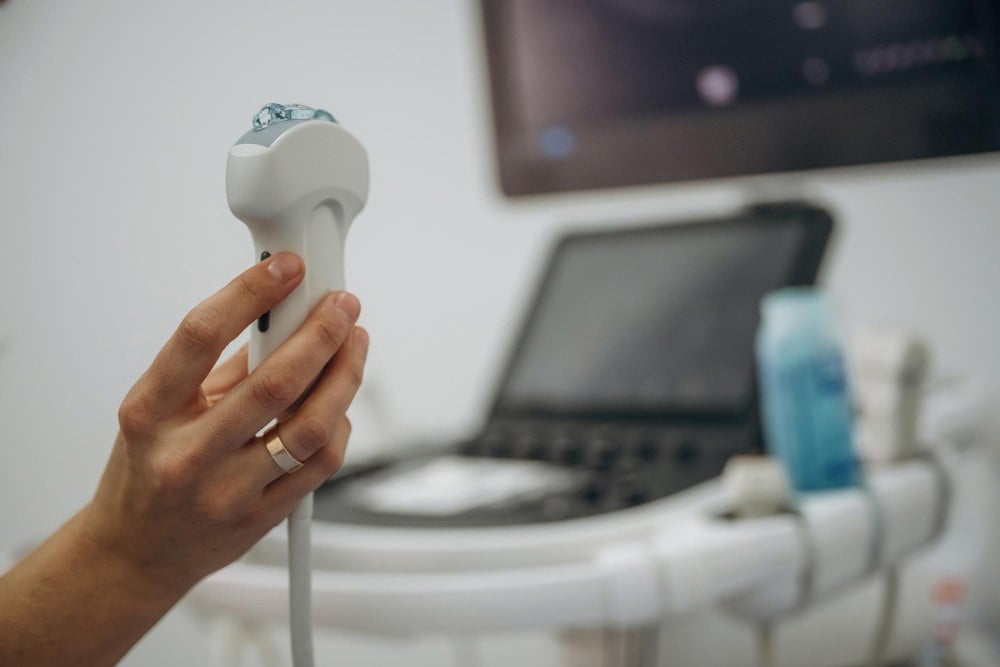
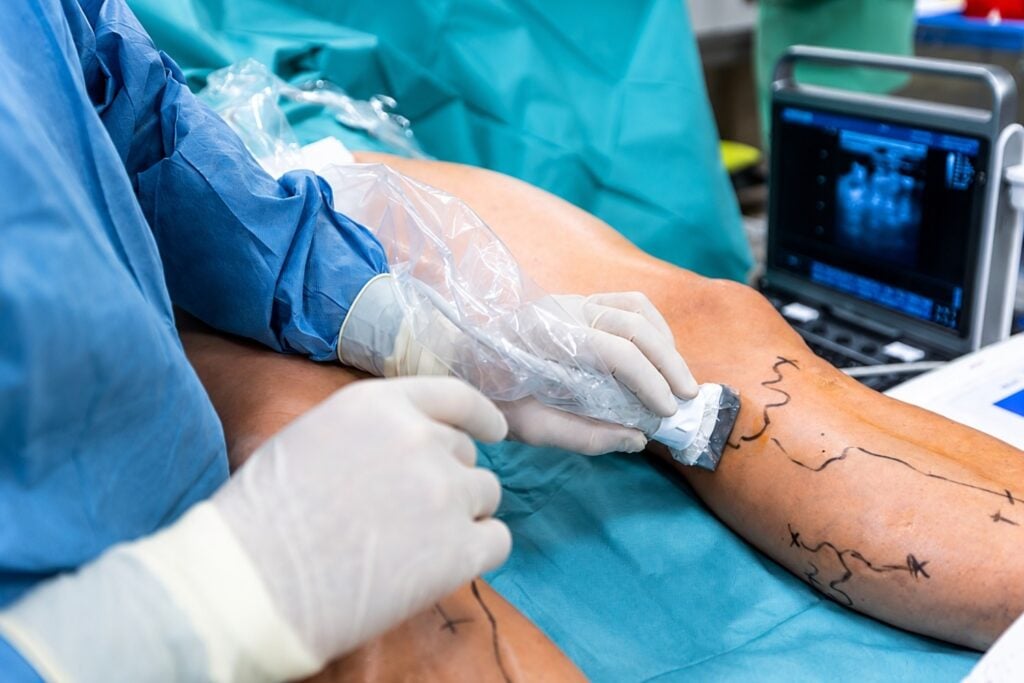
Echo Doppler is a non-invasive examination, meaning it does not require surgical intervention. During the examination, the doctor uses an ultrasound probe over the area to be assessed, usually the legs or other parts of the body where a vascular problem is suspected.
The examination is usually tolerable and does not cause pain. It provides important information about the direction and speed of blood flow, as well as the condition of arterial or venous vessels.
Based on the results, the specialist doctor can decide whether treatment, periodic follow-up, or additional examinations are necessary.
Should an Echo Doppler only be performed when there are symptoms?
Not always. In some cases, Echo Doppler is also recommended for patients with risk factors, even if symptoms are not very evident. This is especially true for people with diabetes, high blood pressure, high cholesterol, smoking, a family history of vascular disease, or patients who have previously had circulation problems.
Preventative checks help with the early detection of changes and the avoidance of complications.
Vascular Care at Family Hospital
At Family Hospital, patients can undergo arterial and venous Echo Doppler examinations using modern technology and under the care of specialised doctors. Examinations are carefully interpreted to ensure an accurate diagnosis and personalised treatment according to each patient's condition.
Specialist doctors such as Dr. Ferdinand Muja and Prof. Dr. Krenar Preza are present at Family Hospital for the assessment of vascular problems and the interpretation of diagnostic examinations.
The aim is for the patient to receive a clear answer regarding the symptoms they are experiencing and to be directed towards the most appropriate treatment.
Do not ignore the worrying signs
Pain in the legs, swelling, a feeling of heaviness or numbness should not always be considered as normal fatigue. When these symptoms recur, persist, or worsen, they can be a sign of a blood circulation problem.
Echo Doppler of arteries and veins helps in the early detection of circulatory disorders, before symptoms worsen and complications arise.
If you have foot concerns, swelling, pain, numbness, or risk factors for vascular problems, visit Family Hospital for a specialist check-up and assessment.
Accurate diagnosis. Tailored treatment. Professional care.
Frequently asked questions about arterial and venous Echo Doppler
What does arterial and venous Doppler ultrasound show?
Arterial and venous Doppler ultrasound shows how blood circulates in arteries and veins. It helps detect narrowings, blockages, blood clots, venous insufficiency, and other circulatory problems.
Where should I have an Echo Doppler performed?
Echo Doppler is recommended when you have leg pain, swelling, numbness, a heavy feeling, coldness in your limbs, varicose veins, skin changes or wounds that are difficult to heal.
Is an Echo Doppler painful?
Echo Doppler is a non-invasive examination and usually does not cause pain. It is performed using ultrasound and is well-tolerated by the patient.
The Echo Doppler examination lasts
The duration can vary depending on the area controlled and the complexity of the case, but usually the examination is carried out in a short time and the patient can return to daily activities afterwards.
Does Echo Doppler require special preparation?
In most cases, an arterial or venous Echo Doppler does not require special preparation. However, it is advisable to follow the instructions of your doctor or medical staff before the examination.
Does Echo Doppler help in the diagnosis of varicose veins?
Yes. Venous echo Doppler helps assess the veins and can identify problems related to varicose veins, venous insufficiency or poor venous circulation.
Who needs more control over traffic flow?
People with diabetes, high blood pressure, high cholesterol, smokers, overweight patients, people who are seated or standing for long periods, and those with a family history of vascular problems have more reason to undergo circulation checks.
Can an Echo Doppler be done without symptoms?
In some cases, the doctor may also recommend it as a preventive check-up, especially for patients with risk factors for vascular disease.
Where can I have an arterial and venous Doppler Ultrasound?
At Family Hospital, patients can have arterial and venous Echo Doppler performed with modern technology and interpretation by specialist doctors, for accurate diagnosis and tailored treatment.