English
  Albanian

The skin is our first shield against the outside world – it protects us from bacteria, pollution, the sun and chemical agents. But when this barrier is affected by inflammation, one of the most common dermatological problems appears: dermatitis.
Dermatitis is not a single disease, but a term used to describe a group of skin disorders that cause redness, itching, dryness and irritation. In Family Hospital, dermatologists offer advanced diagnostics AND modern treatments for any form of dermatitis, aiming not only to cure the symptoms. This article will help you understand the types, distinguishing signs and the safest ways of treatment.

What is dermatitis?
Dermatitis is a inflammation of the outer layer of the skin (epidermis), which can be caused by various factors such as allergies, irritations, stress, genetics or infections. Depending on the cause, dermatitis can be acute (short-term) OR chronic (long-term).
Symptoms vary from person to person, but the most common are:
- Redness and swelling of the skin
- Constant itching
- Dry skin or the formation of white "scales"
- Blisters that may ooze fluid
- Cracking or thickening of the skin in chronic stages
The most common types of dermatitis
1. Atopic dermatitis (eczema)
This is the most common type, especially in children. It appears as redness, itching and dryness in areas such as the hands, face, elbows and knees. Atopic dermatitis tends to recur and is often associated with allergies, asthma and allergic rhinitis. At Family Hospital, treatment focuses on soothing inflammation and maintaining skin hydration.
2. Contact dermatitis
This type is caused by direct contact with irritating substances or allergic – such as detergents, perfumes, metals (nickel), latex, cosmetics or paints.
- Irritant dermatitis: It appears immediately after contact with the substance that damages the skin.
- Allergic dermatitis: It develops after several exposures and is related to the immune system response.
Symptoms include local redness, itching, blistering, or dryness in the contact area (hands, neck, face, etc.).
3. Seborrheic dermatitis
This type usually affects areas with a lot of fat such as face, scalp, eyebrows and behind the ears. Appears with the formation of yellow or white layers, dryness, itching and sometimes burning sensation. In Family Hospital, treatment includes antifungal shampoos or creams, as well as products that regulate sebum production of the skin.
4. Dermatitis herpetiformis (associated with celiac disease)
A rare form of dermatitis that occurs with small, very itchy blisters, usually in the elbows, knees, back and hips. This condition is associated with gluten intolerance and asks combined dermatological and nutritional treatment.
5. Nummular dermatitis (discoid)
Appears as round spots that resemble coins on the skin, often after excessive dryness or exposure to cold. It can cause severe itching and cracking.
6. Perioral dermatitis
This type of dermatitis mainly affects the area around the mouth and is common in women. It is caused by prolonged use of topical cortisone, cosmetics or toothpastes with fluoride. Symptoms include redness, small pimples and burning sensation.

Distinctive signs of dermatitis
Regardless of the type, dermatitis is characterized by several common signs that help doctors identify it:
| Clinical signs | Description |
|---|---|
| Redness (erythema) | Redness in the affected area, often accompanied by local heat |
| Itching (pruritus) | The most annoying symptom that gets worse at night |
| Scaling or dryness | The skin begins to crack or look “sunburned” |
| Bubbles and liquids | Indicate acute inflammation or allergic reaction |
| Thickening of the skin | Appears in chronic dermatitis due to constant itching |
Diagnosing dermatitis at Family Hospital
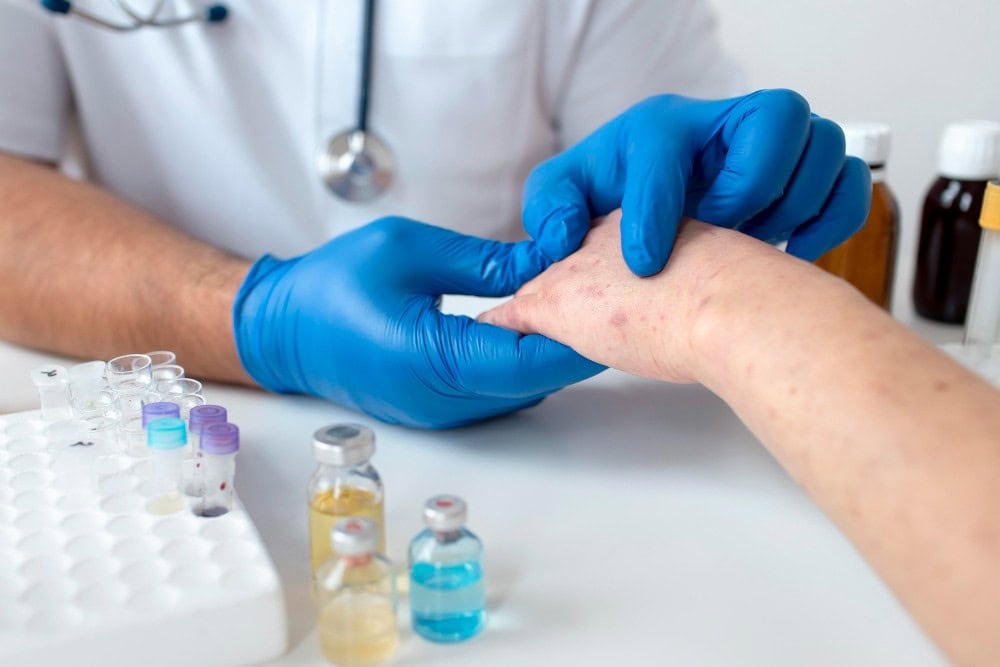
Accurate diagnosis is the most important step for effective treatment. In Family Hospital, dermatologists follow a structured diagnostic process, which includes:
1. Clinical consultation and detailed medical history
The doctor evaluates the history of symptoms, irritating factors, occupation, and products that the patient uses regularly.
2. Dermatological physical examination
The affected area, type of lesions, their distribution, and stage of progression are checked.
3. Allergy tests (Patch test)
Used to identify specific substances that cause allergic reactions on the skin.
4. Laboratory analysis
In certain cases, blood tests or bacterial culture are required to rule out secondary infections.
5. Skin biopsy
In unclear situations, a small sample is taken for microscopic analysis to determine the nature of the inflammation.
Treatment of dermatitis
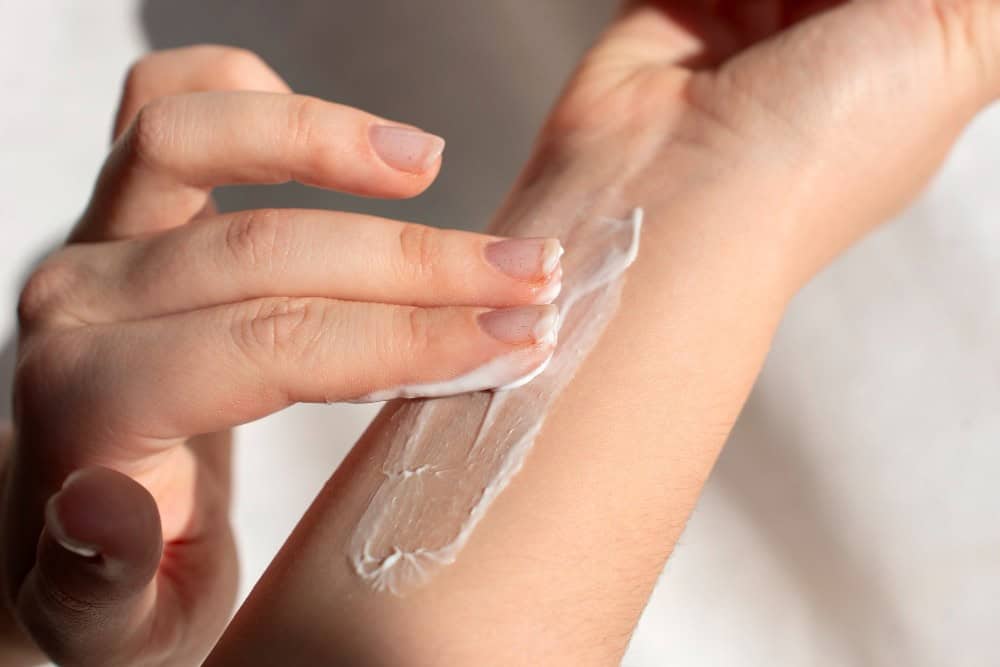
Treatment depends on type of dermatitis, cause and stage of progression. In Family Hospital, dermatologists create personalized treatment plans, which combine local, systemic treatment and ongoing skin care.
1. Topical creams and ointments
- Topical corticosteroids: They are used to reduce inflammation and itching.
- Calcineurin creams (pimecrolimus, tacrolimus): Alternative for patients who cannot use cortisone for a long time.
- Moisturizing ointment: Apply several times a day to restore the skin's protective barrier.
2. Oral medication
- Antihistamines for reducing itching.
- Antibiotics or antifungals, in case of secondary infections.
- Systemic corticosteroids, only for severe and short-term cases.
3. Phototherapy
A modern method that uses controlled ultraviolet light (UVB) to reduce inflammation.
4. Biological treatments
For chronic or resistant cases, they are used advanced biological medicines, which act directly on the immune system and provide excellent long-term results.
5. Lifestyle changes
In addition to medications, doctors recommend:
- Use of mild, unscented soaps
- Avoidance of very hot water while washing
- Use of Vaseline or moisturizing creams right after the shower
- Clothing with natural materials (cotton, linen)
- Stress avoidance, which can worsen symptoms
Dermatitis in women, men and children
- In women, dermatitis is often associated with cosmetics, perfumes, or personal care products.
- In men, the most common is hand dermatitis due to exposure to chemicals or manual labor.
- In children, atopic dermatitis is the most common and requires special care with fragrance-free and paraben-free products.
IN Family Hospital, treatment is adjusted according to age, skin type and medical history of each patient.

Possible complications
If dermatitis is not treated in time, it can lead to:
- Bacterial infections due to excessive itching
- Thickening or chronic wounds on the skin
- Psychological impact, such as stress, anxiety, or low self-esteem
For this reason, Early medical intervention is essential to prevent the condition from worsening.
When to seek medical help
Contact a dermatologist immediately if:
- Itching and redness worsen despite regular creams
- The skin starts to ooze, itch, or hurt.
- Dermatitis spreads to new areas of the body
- You have a fever or signs of infection
IN Family Hospital, our dermatologists offer personalized visits, advanced diagnostics AND effective treatment for every type of dermatitis – from mild to chronic cases.
cONcluSiON
Dermatitis is a common problem, but one that requires professional treatment and ongoing care. Thanks to the experience of specialists and modern technology, Family Hospital helps every patient recover skin health, elasticity and beauty.
Don't neglect the health of your skin. Book a dermatology consultation at Family Hospital today. and discover the most suitable solution for you!