English
  Albanian

Osteoporosis is one of those health conditions that often develops silently. It doesn't appear suddenly and, in most cases, gives no clear signs in its early stages. Many people only realise they have weakened bones after suffering a fracture from a slight fall, a wrong move, or a bump that would not normally cause serious damage.
Precisely for this reason, recognising risk factors and carrying out timely checks are very important. Osteoporosis can significantly affect quality of life, as it increases the risk of fractures, chronic pain, limited mobility, and loss of independence, especially in older adults.
At Te Family Hospital, patients can undergo the necessary examinations for bone density assessment and receive appropriate advice for the prevention and timely management of osteoporosis. Because when it comes to bone health, prevention is always easier than treating the consequences.
What is osteoporosis?
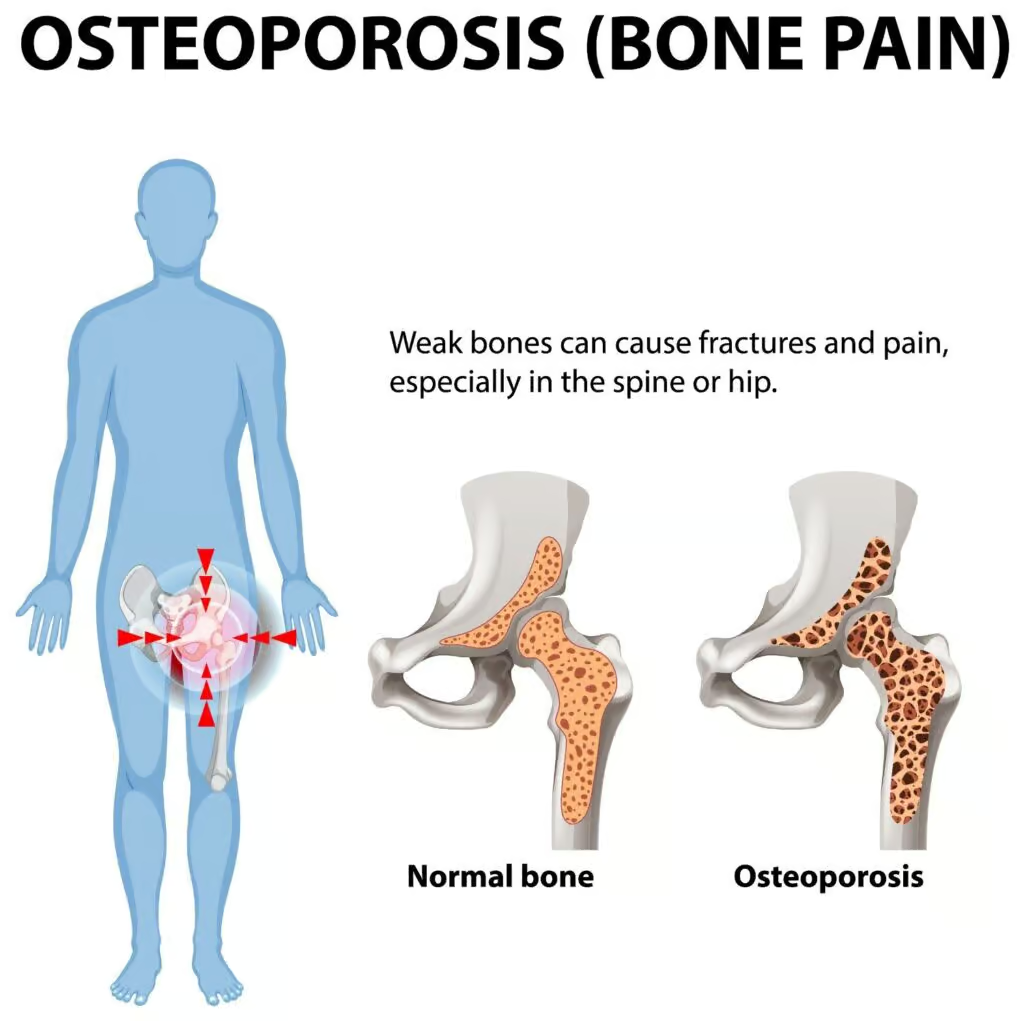
Osteoporosis is a condition where bones lose mass and become more brittle. Over time, their structure becomes weaker, increasing the possibility of fractures. This means that a bone which would previously withstand a minor fall, in a person with osteoporosis, may break more easily.
Bones are living tissues that are constantly renewed. Throughout life, the body builds and breaks down bone mass. In youth, bone formation is usually faster than its loss. But over the years, especially after a certain age, bone mass loss can become greater than its formation.
When this loss becomes noticeable, bones lose their strength and density. At this point, the risk of fractures increases. The most commonly affected areas are the spine, wrist, and hip, but osteoporosis can affect the entire skeleton.
Why is osteoporosis called the “silent disease”?
Osteoporosis is often called a “silent disease” because it can develop for years without displaying obvious symptoms. A person might feel well, experience no pain, and not realise that their bone density is gradually decreasing.
The signs become more noticeable when the bones are significantly weakened. In some cases, the patient may notice back pain, a decrease in height over time, a stooping posture, or frequent fractures. But often, the first fracture is the sign that indicates the bones have been weak for a long time.
This is why preventative checks are so important. Waiting until a fracture occurs is not the best solution. Bone density assessment can help detect the problem early and take action before complications arise.
Calcium deficiency: a significant risk factor
Calcium is an essential mineral for the building and maintenance of strong bones. When the body doesn't get enough calcium through food, it can start to take it from the bones, gradually weakening them.
Calcium deficiency is not immediately felt. It is not a condition that is always accompanied by clear symptoms, but in the long term it can have a significant impact on bone health. For this reason, a calcium-rich diet is very important at any age.
Good sources of calcium include dairy products, yogurt, cheese, green leafy vegetables, almonds, seeds, and some fortified foods. However, calcium requirements vary by age, sex, and health status, so it is advisable for each person to consult with a doctor to understand what is most suitable for them.

Vitamin D and its role in bone health
Vitamin D is as important as calcium, because it helps the body to absorb calcium more effectively. Without sufficient vitamin D, even if you consume calcium-rich foods, the body may not be able to use it properly.
Vitamin D deficiency is quite common, especially in people who spend little time in the sun, in older adults, in people with certain health conditions, or in those with a poor diet in this vitamin. This deficiency can affect bone weakening and increase the risk of osteoporosis.
A simple blood test can help assess vitamin D levels. If a deficiency is detected, the doctor may recommend lifestyle changes, a diet richer in vitamin D, or supplements, as appropriate.
Lack of physical activity weakens bones
Bones, just like muscles, need movement to stay strong. Physical activity helps to maintain bone mass, improve balance, strengthen muscles, and reduce the risk of falls. For this reason, a lack of movement is one of the factors that can affect the development of osteoporosis.
People who lead sedentary lives, spend many hours sitting, and do not exercise regularly, may be at higher risk of bone weakening. This applies particularly to older ages, but good habits should start earlier.
Exercise, bodyweight exercises, stair climbing, jogging, Pilates, strength exercises, and activities that improve balance can be beneficial. Of course, physical activity should be adapted to each person's age, health status, and physical abilities.
Smoking and its effect on bones
Smoking doesn't just harm your lungs and heart. It can also affect bone health. Smoking is linked to reduced bone density and a higher risk of fractures because it can affect blood circulation, hormonal balance, and the body's ability to build bone mass.
For women, smoking can also affect estrogen levels, a hormone that plays a protective role for bones. For this reason, women who smoke, especially after menopause, may have a higher risk of osteoporosis.
Quitting smoking is one of the best decisions for overall health. In addition to the benefits for the heart, lungs, and circulation, it also helps protect bones in the long term.

Alcohol consumption and the risk of osteoporosis
Excessive alcohol consumption can negatively affect bone health. It can hinder calcium absorption, impact vitamin D levels, and increase the risk of falls, especially in older adults.
If alcohol is consumed often and in large quantities, the body may have more difficulty maintaining bone density. Also, the risk of accidental injury increases, which in a person with weakened bones can more easily lead to fractures.
Limiting alcohol is an important step in bone care. As with most other habits, consistency matters more than extreme changes. Gradual reduction and healthier choices can help protect long-term health.
Family heritage: when genes influence risk
Family history is a factor that cannot be changed, but must be acknowledged. If a parent, sister, brother, or close relative has had osteoporosis or frequent fractures, the risk of developing this condition may be higher.
This does not mean that osteoporosis is inevitable, but it does mean you need to be more mindful. Those with a family history should discuss with their doctor the necessary check-ups, the age at which to start screening, and the preventive measures they can take.
Understanding your family history is an important part of prevention. Often, information about fractures in parents or grandparents can help a doctor better assess individual risk.
Hormonal changes and post-menopausal osteoporosis
Women are more at risk of osteoporosis, especially after the menopause. This is mainly linked to a decrease in oestrogen levels, a hormone that helps maintain bone mass. When oestrogen drops, bone mass loss can accelerate.
For this reason, the post-menopausal period is very important for bone health monitoring. Women who have early menopause, have had surgery affecting hormonal function, or have other risk factors should be even more careful.
Consulting a doctor helps determine if a bone density measurement, laboratory analysis, or preventive measures are needed. The sooner a risk is identified, the better it can be managed.
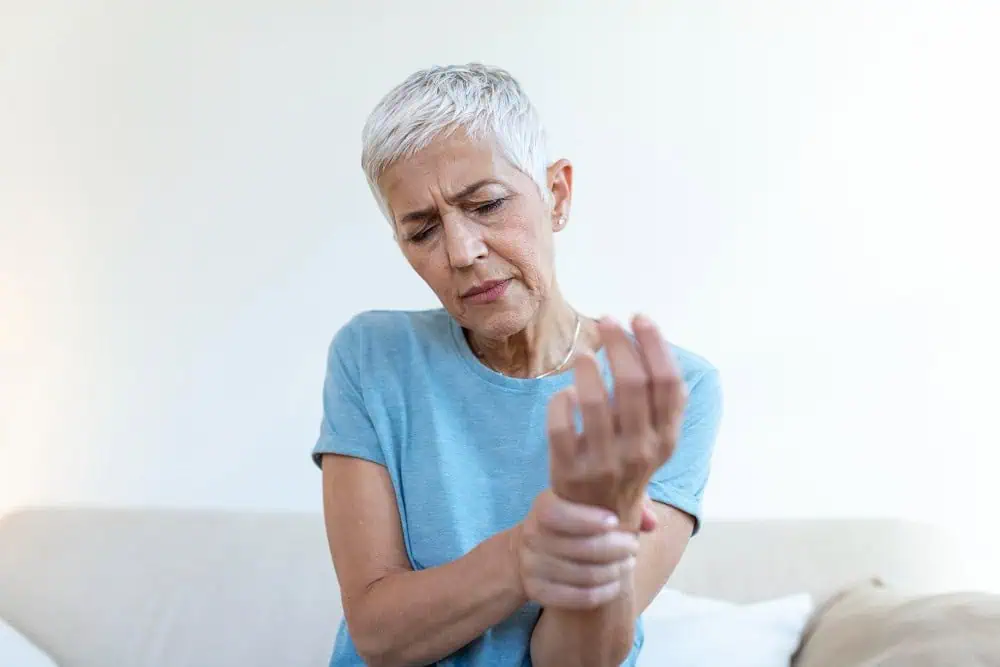
Age and gradual bone mass loss
Over the years, bone mass loss is a natural process. However, in some people this loss occurs more rapidly and becomes problematic. Age is a significant risk factor, especially after the age of 50.
Although osteoporosis is more common in older people, prevention should begin earlier. Bones are built and strengthened during childhood, adolescence, and young adulthood. After that, preserving bone mass becomes the main goal.
This means that a healthy lifestyle, proper nutrition, and physical activity are important at every stage of life. It is never too late to start looking after your bones, but the sooner this care begins, the better.
Some medications and health conditions can increase the risk.
In addition to known factors such as diet, hormones, and physical activity, certain illnesses or medications can also affect bone health. For example, the long-term use of certain drugs, especially corticosteroids, can increase the risk of osteoporosis.
Furthermore, certain conditions affecting nutrient absorption, hormonal illnesses, thyroid problems, chronic inflammatory diseases, or eating disorders can impact bone density.
If you are taking medication for a long time or have a chronic condition, it's a good idea to discuss with your doctor the potential impact on your bones and any checks that may be needed.
Si mund të vlerësohet densiteti kockor?
Bone mineral density assessment is one of the most important ways to understand the condition of bones. This examination helps in identifying osteopenia, which is low bone mass, or osteoporosis, when bones are weaker and the risk of fractures is higher.
Bone density testing is particularly useful for post-menopausal women, those with a family history, patients who have suffered fractures from minor trauma, individuals taking bone-affecting medications, and those with other risk factors.
At Family Hospital, you can undergo the necessary examinations to assess bone density and receive appropriate medical advice according to your case.
What can you do to prevent osteoporosis?
Preventing osteoporosis starts with simple, yet continuous steps. A diet rich in calcium and vitamin D, regular physical activity, avoiding smoking, limiting alcohol, and medical check-ups are the foundation of bone care.
It is also important to avoid falls, particularly in older people. This can be achieved by keeping the home environment safe, wearing suitable footwear, improving balance through exercises, and having regular eye tests.
If you have risk factors, do not wait for symptoms to appear. A consultation with your doctor can help you understand if you need examinations, tests, or special preventive measures.
When should you consult your doctor?
You should consult your doctor if you have had a fracture from a slight fall, if you have persistent back pain, if you notice a decrease in height, if you are post-menopausal and have not had a bone density scan, or if you have a family history of osteoporosis.
Furthermore, medical advice is important if you have a vitamin D deficiency, consume tobacco or alcohol, do little physical activity, use long-term medications that can affect bones, or have chronic diseases related to bone metabolism.
The sooner the assessment is carried out, the greater the opportunity to prevent deterioration and protect quality of life.
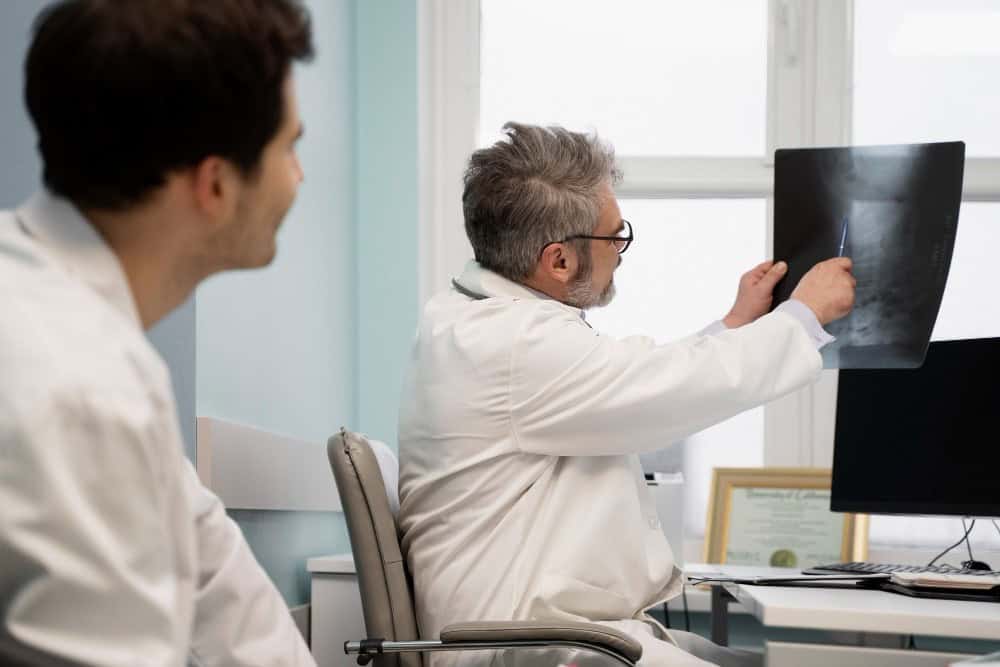
Looking after your bones is looking after your future.
Bones are the foundation of our physical movement, stability, and independence. When they weaken, the risk of fractures increases and everyday life can become more difficult. Therefore, bone health should not be postponed until old age. It should be part of overall healthcare at every stage of life.
Osteoporosis doesn't happen suddenly. It develops over time, often without obvious signs. But with awareness, regular check-ups, and healthy lifestyle changes, much can be done to reduce the risk and protect bones.
Perform your check-up at Family Hospital
If you have risk factors for osteoporosis or wish to assess your bone health, Family Hospital welcomes you for the necessary examinations and consultations. Bone density assessment can help in the early detection of bone weakening and in taking timely preventive measures.
Don't wait until a fracture occurs to take care of your bones. Prevention starts with information, check-ups, and healthy decisions.
Family Hospital – A culture of caring…!
Contact us:
📞Phone: +355 44 50 50 55
📞Cell: +355 69 60 60 620
We are located at:
📍Manastir Congress Street, Tirana