English
  Albanian

CT Scan, known as a scanner, is today one of the most powerful diagnostic tools in medicine. Thanks to it, doctors are able to see in detail organs that were previously difficult to evaluate without surgical intervention. This examination has saved thousands of lives by detecting serious problems in time.
However, the result of the scanner does not depend only on the modern equipment. The preparation of the patient before the procedure also plays an important role. The better you are prepared, the more accurate and reliable the images obtained during the examination will be.
IN Family Hospital, we consider preparation part of the care process. Every patient receives clear instructions and professional support from the moment they book the procedure until they receive the results.
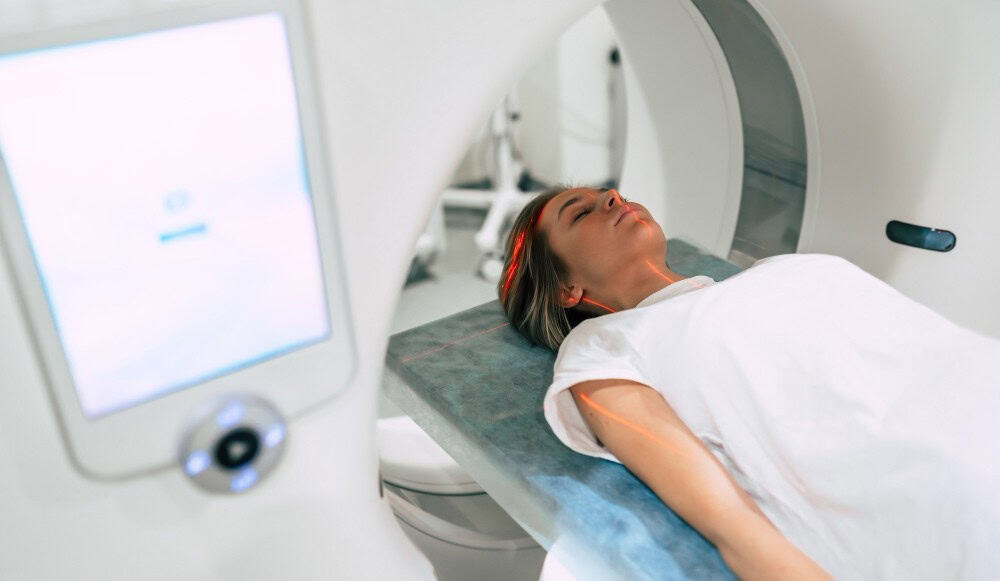
What is a CT Scan and why is it used?
A CT scan combines X-rays with computer software to create multidimensional images of the body. These images help the doctor understand exactly what is happening inside the body.
- Diagnosing hidden trauma and fractures
- Evaluation of the lungs, liver, kidneys, and abdominal organs
- Detection of tumors, cysts or inflammation
- Checking blood vessels and aneurysms
- Monitoring the effect of oncological treatments
- Evaluation of vague abdominal or chest pain
For many patients, a CT Scan is the step that leads to the final diagnosis of a disease and appropriate treatment.
Preparation: An important step
Many people think that just showing up on the day of the scan is enough. In fact, a few simple rules can make a big difference in the quality of the images obtained during the procedure.
Preparation helps the doctor obtain clearer images, without interference and without the need for repeat scans. It also reduces the risk of side effects when contrast examinations are used.
At Family Hospital, our staff explains each step to you in simple language, so that you are completely calm and informed about the procedure.
Food when contrast medium is used
Many types of CT scans require the use of contrast to make blood vessels and organs more visible. In these cases, it is usually required that you fast for about 4–6 hours before the scan.
This prevents feelings of nausea and improves the distribution of the contrast in the body. Water is usually allowed, but heavy meals should be avoided.
If you take daily medications, do not stop them without consulting your doctor. You will be given specific instructions for your case.
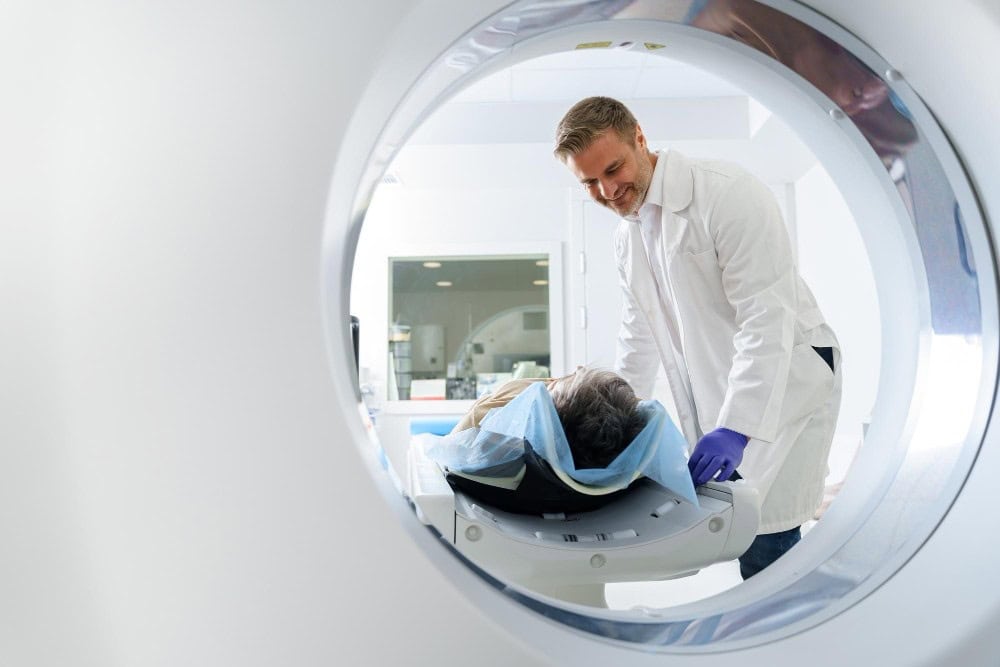
Share any information about your health with your doctor.
Transparency with medical staff is essential! Even details that may seem insignificant to you are valuable for your safety.
Have you ever had a reaction to contrast? Do you suffer from kidney or thyroid problems? Do you take medication for diabetes? Are you allergic to iodine?
These questions are not asked randomly. They help the doctor choose the most appropriate protocol for you and, if necessary, perform preliminary tests to ensure your maximum safety.
Appropriate clothing and metal objects
On the day of the examination, it is recommended to wear simple and comfortable clothing. Light clothing without metal elements makes the procedure easier.
Jewelry, watches, hair clips, or metal belts should be removed. Some dentures or hearing aids may also be required to be removed for a few minutes.
These measures are not just a formality, as metal can create shadows in the image and make the interpretation of the results difficult.
Why do I need to bring previous examinations?
The radiologist doesn't just look at the images at the moment. He compares them with your medical history.
A previous CT scan, an ultrasound, or a blood test can help understand whether a lesion is new or old, whether an inflammation is improving or worsening.
Therefore, bring any medical documents you have with you. This makes the examination much more valuable.
What exactly happens during the scan?
Many patients come in with fear because they don't know what to expect. In reality, a CT Scan is a very simple procedure.
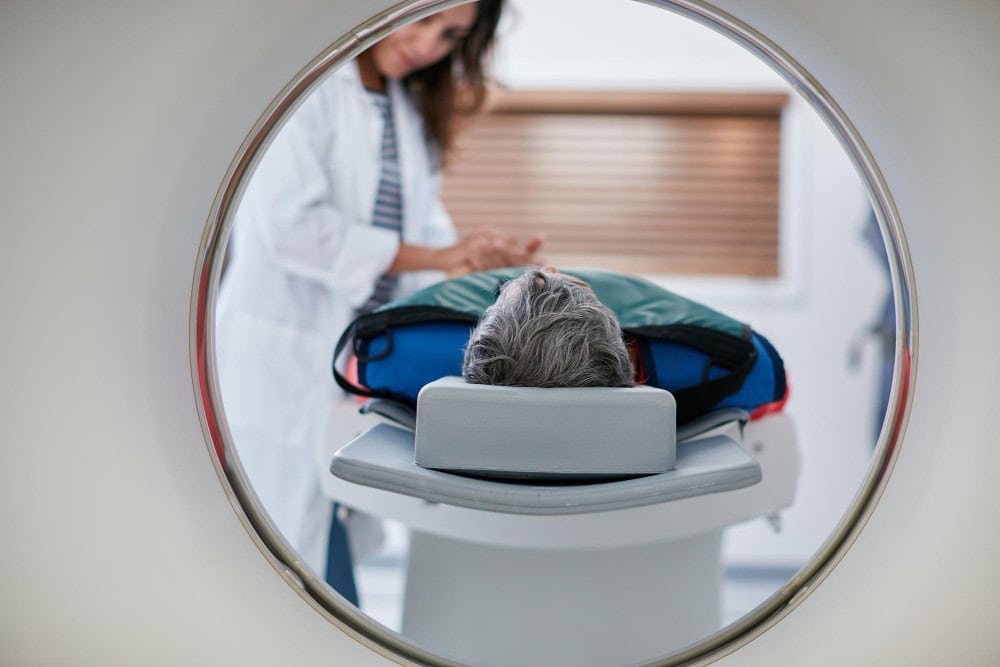
You lie on a bed that moves slowly inside the machine. There is no loud noise like with resonance. There is no pain!
The technician will occasionally ask you to hold your breath for a few seconds. This is to avoid lung movements that could blur the image.
The whole process only takes a few minutes!
Is CT Scan dangerous?
Every CT scan uses X-rays, but the dose is carefully calculated to ensure patient safety. Modern technology aims to provide maximum information with minimum exposure!
However, other alternatives are always considered for pregnant women and children.
At Family Hospital, advanced international protocols are followed to protect patients from radiation.
What should you do after the examination?
If no contrast was used, you can eat and continue your day normally.
When contrast has been used, it is recommended to drink more water for the next 24 hours. This helps the kidneys eliminate the contrast as quickly as possible.
The result is prepared by the radiologist and sent to your doctor for clinical interpretation.
CT Scan: An important link in diagnosis
A CT scan is not just a picture. It often determines the decision for surgery, treatment with medications, or further examinations such as gastroscopy or colonoscopy.
Therefore, its quality has a direct impact on your health and the steps that will be taken next.
At Family Hospital, we ensure that:
- every patient receives clear instructions,
- to respect maximum safety standards,
- to minimize radiation exposure,
- The interpretation should be done by an experienced radiologist.
Our goal is for you to feel safe and understand every step of the process.
Contact us
📞 Phone: +355 44 50 50 55
📞 Cell: +355 69 60 60 620
📍 We are located at:
Monastery Congress Street, Tirana