English
  Albanian

The thyroid is a small, butterfly-shaped gland located in the front of the neck, but its role in our health is extremely large. This gland is responsible for producing hormones that regulate metabolism, energy, body temperature, and many other vital functions. When the thyroid is not functioning properly, the consequences can be felt throughout the body. At Family Hospital, we often see patients who have been suffering from thyroid-related symptoms for months or even years before they are diagnosed. Therefore, it is essential to know when to have thyroid tests and what your diagnosis means.

What is the thyroid and how does it work?
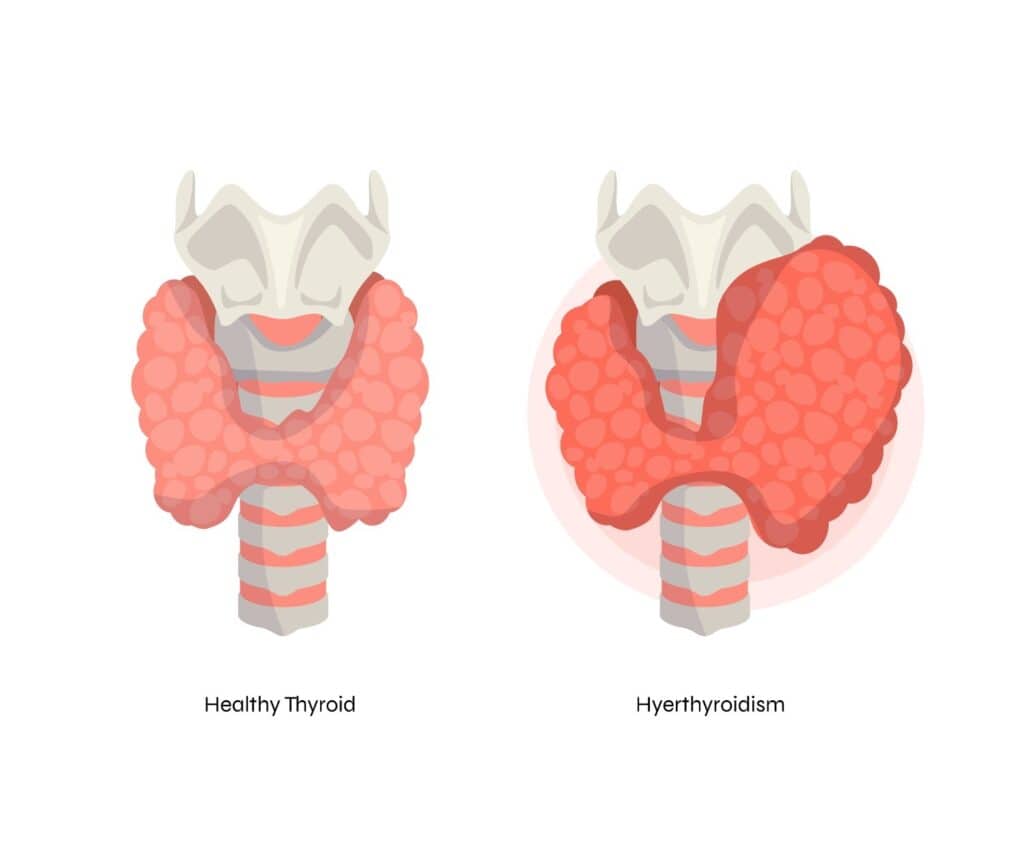
The thyroid is an endocrine gland that weighs about 20 grams and is located below the Adam's apple in the neck. It produces two main hormones: thyroxine (T4) and triiodothyronine (T3). These hormones play an essential role in almost every aspect of our body's functioning.
Thyroid hormones regulate the rate at which our bodies use energy, known as basal metabolism. They affect heart rate, body temperature, the rate at which the body digests food, and many other processes. Thyroid hormones are also essential for normal brain development in children and for normal cognitive function in adults.
Thyroid hormone production is regulated by a complex system involving the hypothalamus and pituitary gland in the brain. When thyroid hormone levels fall too low, the hypothalamus and pituitary release hormones that stimulate the thyroid to produce more. When levels are too high, the system slows down production. This regulatory system is essential for maintaining the proper balance of hormones.
Main thyroid disorders
There are several types of thyroid disorders that can affect how your thyroid works. Hypothyroidism occurs when your thyroid doesn't produce enough hormones. This is the most common form of thyroid disorder and causes your metabolism to slow down. Symptoms can include fatigue, weight gain, feeling cold, dry skin, hair loss, and DEPRESSED.
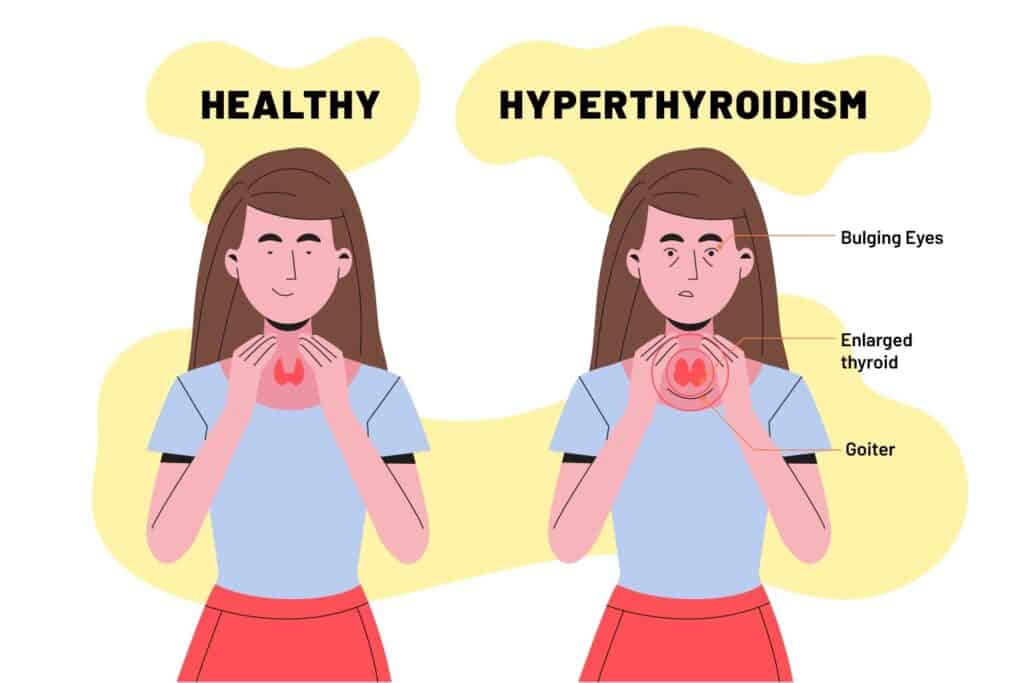
Hyperthyroidism is the opposite – the thyroid produces too many hormones, causing the metabolism to speed up. Symptoms can include weight loss, rapid heartbeat, sweating, irritability, tremors and difficulty sleeping.
Thyroid nodules are swellings or masses in the thyroid gland. Most nodules are benign, but some can be cancerous or produce hormones independently of the normal regulatory system. A goiter is a general enlargement of the thyroid gland that can occur with any type of thyroid disorder.
Thyroiditis is inflammation of the thyroid gland that can be caused by autoimmune problems, infections, or other factors. Hashimoto's thyroiditis is the most common form of autoimmune thyroiditis and is the leading cause of hypothyroidism.
Who is at risk and should be tested?
There are certain groups of people who are at higher risk of developing thyroid problems and should consider regular testing. Women are five to eight times more likely than men to develop thyroid problems, especially after pregnancy and during menopause.
People over 60 are at higher risk for thyroid disorders, as their incidence increases with age. If you have a family history of thyroid disorders or autoimmune diseases, your risk is also higher, as these conditions tend to run in families.
People with other autoimmune diseases, such as dIABETES type 1 diabetes, rheumatoid arthritis, or lupus, are more likely to develop autoimmune thyroid problems. If you have received radiation treatment to the neck or head area, especially during childhood, you should have your thyroid function monitored.
Women who are pregnant or planning to become pregnant should have their thyroid function checked, as thyroid disorders Untreated thyroiditis can affect both the mother and the developing baby. People taking certain medications, such as lithium or amiodarone, that can affect thyroid function should be monitored regularly.
Signs and symptoms that require testing
There are many symptoms that can suggest a thyroid problem. Unexplained, persistent fatigue that doesn't improve with rest is one of the most common symptoms of hypothyroidism. If you feel tired all the time, no matter how much sleep you get, this could be a warning sign.
Unexplained weight changes are another important indicator. Weight gain despite regular diet and exercise can suggest hypothyroidism, while unexplained weight loss can indicate hyperthyroidism. Changes in temperature tolerance – feeling very cold when others are comfortable, or sweating excessively – can also be signs of thyroid problems.
Changes in mood and mental function should be taken seriously. Depression, anxiety, difficulty concentrating, or memory loss may be related to thyroid disorders. If these symptoms occur without a clear cause, thyroid testing may be appropriate.
Changes in the skin and hair are also common. Dry skin, brittle hair that falls out excessively, or loss of eyebrows may suggest thyroid problems. Changes in the voice, such as a hoarse voice or a change in voice, and difficulty swallowing may indicate an enlarged thyroid.
Menstrual disorders in women, such as irregular, heavy, or light cycles, may be related to thyroid disorders. Fertility problems or repeated pregnancy failures may also be related to thyroid function.
Changes in your heart rate – too fast, too slow, or irregular – should be evaluated, as thyroid hormones directly affect cardiac function. If you notice any of these symptoms, especially if they are numerous or persistent, it is time to consult your doctor and have your thyroid tested.

What are thyroid tests?
There are several laboratory tests used to evaluate thyroid function. The most common and useful test is the measurement of TSH (thyroid-stimulating hormone). TSH is produced by the pituitary gland and controls the production of thyroid hormones. If the thyroid is not producing enough hormones, TSH levels will increase to stimulate the thyroid. If the thyroid is producing too many hormones, TSH levels will decrease.
The free T4 (free thyroxine) test measures the amount of T4 that is not bound to proteins in the blood and is available for use by the body's tissues. This is the active form of the hormone and provides direct information about what the thyroid is producing.
A free T3 (free triiodothyronine) test may be performed if hyperthyroidism is suspected or in certain other specific cases. T3 is the most active form of thyroid hormone, and in some conditions, only T3 may be elevated.
Thyroid antibodies are tested to identify autoimmune thyroid disorders. These include anti-TPO (anti-thyroid peroxidase) antibodies and anti-thyroglobulin antibodies. High levels of these antibodies suggest that the immune system is attacking the thyroid.
In some cases, imaging tests may be performed. A thyroid ultrasound is used to visualize the structure of the gland and identify nodules or other changes. A radioactive iodine scan may be used to evaluate the function of the gland and identify areas that are producing too much or too little hormone.
How are the results interpreted?
Interpreting thyroid tests requires medical expertise, but it's helpful to understand some basics. Normal TSH levels are usually between 0.4 and 4.0 mIU/L, although these reference values can vary slightly between different laboratories.
High TSH with low or low-normal T4 indicates hypothyroidism – the thyroid is not producing enough hormones, so the pituitary gland is producing more TSH to try to stimulate the thyroid. Low TSH with high or high-normal T4 indicates hyperthyroidism – the thyroid is producing too many hormones, so the pituitary gland is producing less TSH.
Subclinical hypothyroidism occurs when TSH is high but T4 is still within the normal range. This is a milder form that may not require immediate treatment, but does require regular monitoring. Subclinical hyperthyroidism is the opposite – low TSH with normal T4 – and also requires monitoring.
It is important to note that interpretation of results should be done in the context of your symptoms and complete medical history. Some people may have symptoms even when their results are technically “normal,” and vice versa.
How often should thyroid hormones be tested?
The frequency of testing depends on your individual situation. Unless you have symptoms and are in a high-risk group, routine screenings are not necessarily necessary for young, healthy adults. However, many experts recommend testing starting at age 35 and then every 5 years for women, especially those with risk factors.
If you have been diagnosed with a thyroid disorder and are receiving treatment, you will need more frequent tests. Initially, you may be tested every 6-8 weeks until the appropriate dose of medication is stabilized. Once stability is achieved, tests are usually done every 6-12 months, or more frequently if there are changes in your symptoms or medication dosage.
Pregnant women with hypothyroidism should be tested every 4-6 weeks during pregnancy, as thyroid hormone needs increase during pregnancy. People taking medications that may affect thyroid function should be monitored as recommended by their doctor.
If you have subclinical hypothyroidism, your doctor may recommend checkups every 6-12 months to monitor whether the condition progresses to full-blown hypothyroidism. If you develop new symptoms or if existing symptoms worsen, you should have your thyroid hormones tested regardless of how long it has been since your last test.
Preparing for a thyroid test
Thyroid tests are relatively simple and do not require any special preparation. There is no need to fast before taking blood samples for standard thyroid tests, although some laboratories may prefer that you fast if other tests are being performed at the same time.
If you are taking thyroid medication, talk to your doctor about whether you should take it the morning of the test. For some tests, it may be recommended that you wait until after your blood sample is drawn to take your medication. Certain medications and supplements can affect thyroid test results, so tell your doctor about all the medications and supplements you are taking.
Biotin (vitamin B7), found in many multivitamins and hair and nail supplements, can interfere with thyroid tests and give false results. If you are taking biotin, you may be asked to stop taking it for a few days before the test. The time of day the blood sample is taken can also affect the results, as TSH levels vary throughout the day. For consistency, tests are often performed in the morning.
Treatment of thyroid disorders
Treatment depends on the type and severity of the disorder. Hypothyroidism is usually treated with synthetic thyroid hormone, most commonly levothyroxine, taken daily in tablet form. This replaces the hormone that the thyroid is not producing and normalizes hormone levels in the blood.
Hyperthyroidism can be treated in several ways depending on the cause and severity. Antithyroid medications reduce the production of thyroid hormones. Radioactive iodine destroys parts of the thyroid gland, reducing hormone production. In some cases, it may be necessary surgery to remove the thyroid gland.
Thyroid nodules may require monitoring, medication, or treatment with radioactive iodine depending on their size, symptoms, and whether they are cancerous. In some cases, surgical removal may be necessary.
The importance of continuous monitoring
Thyroid disorders are chronic conditions that require long-term monitoring and management. Even after good control is achieved with medication, your treatment needs may change over time due to age, weight changes, pregnancy, or other factors.
It is essential to continue with regular checkups even when you feel well. Many people stop taking their medication when their symptoms improve, but this can lead to a return of the problem. Open communication with your doctor is essential – report any changes in symptoms, concerns about the medication, or questions you may have.
cONcluSiON
The thyroid is a small but powerful gland that affects almost every aspect of our health. Thyroid problems are common, especially in women and older adults, but many people live with symptoms for years without knowing the cause. Thyroid testing is simple, safe, and can provide vital information about your health.
At Family Hospital, we offer comprehensive thyroid testing and evaluation by qualified specialists who can help you understand your results and create an appropriate treatment plan if necessary. If you are experiencing any of the symptoms discussed in this article, or if you are in a high-risk group for thyroid problems, do not hesitate to contact us to schedule a consultation. Early diagnosis and treatment of thyroid disorders can significantly improve your quality of life and prevent serious health complications in the future.