English
  Albanian

Stomach ulcers are one of the most common digestive problems. Many people experience them as a burning or pain in the upper abdomen, often after meals or at night. Unfortunately, many patients choose to ignore the symptoms, thinking they are simply problems with acidity.
IN Family Hospital, we attach particular importance to the health of the digestive system. Early diagnosis and treatment of stomach ulcers is essential to avoid complications and improve the quality of life of patients.
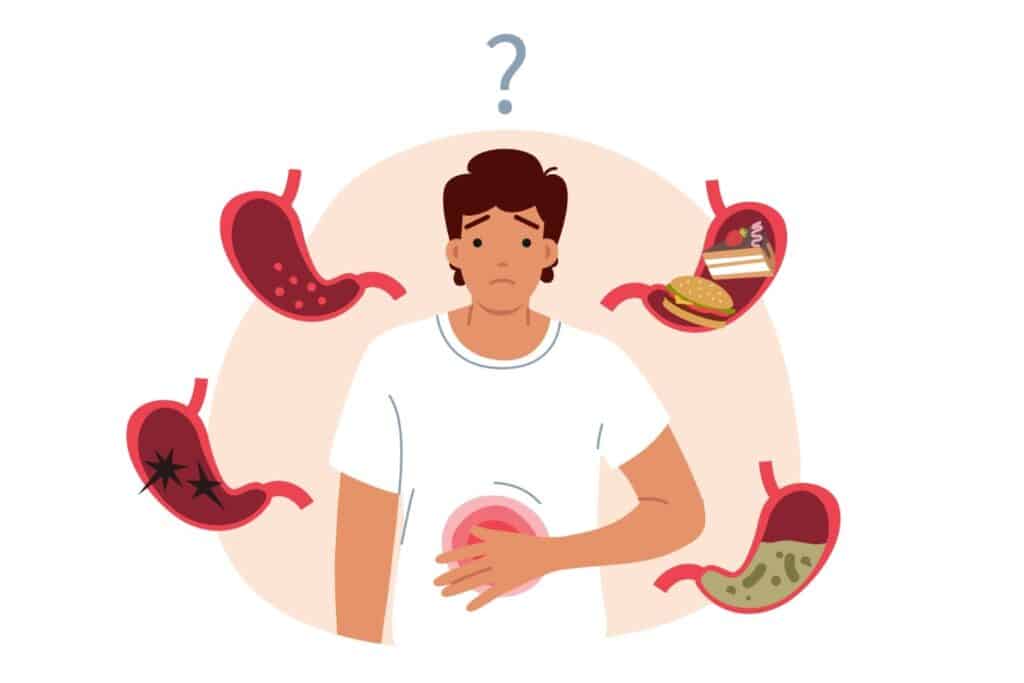
What is a stomach ulcer?
A stomach ulcer, also known as a peptic ulcer, is an open sore that develops in the lining of the stomach or duodenum. It occurs when the balance between stomach acid and the mucosal defense mechanisms is disrupted.
The two most common causes are:
- Infection with the bacterium Helicobacter pylori – one of the leading causes of ulcers worldwide.
- Long-term use of non-steroidal anti-inflammatory drugs (NSAIDs) like aspirin, ibuprofen or naproxen.
However, factors such as chronic stress, unhealthy diet, smoking, alcohol, and genetic predispositions also play a role in its development.
Signs and symptoms of stomach ulcers
The most characteristic sign of an ulcer is pain in the upper abdomen. The pain is often described as burning, cramping, or pressure and can last from a few minutes to a few hours. It is often worse when the stomach is empty and may be temporarily relieved after eating.
In addition to pain, patients often experience bloating, a feeling of heaviness after meals, nausea, or vomiting. Loss of appetite and weight loss are also common. In more advanced cases, blood in the vomit or dark stools may appear, which are alarming signs and require immediate treatment.

Diagnosing stomach ulcers
Early diagnosis is essential for successful treatment. The safest method is endoscopy, which allows the doctor to directly view the stomach lining and take samples for biopsy.
In many cases, doctors also order tests for Helicobacter pylori, such as a breath test, blood test, or stool test. When complications are suspected, imaging tests or blood tests are also used to detect hidden bleeding.
At Family Hospital, these examinations are performed with modern equipment and under the care of gastrohepatologists specialized.
Treatment of stomach ulcers
Medications and drug treatment
Ulcer treatment has three main goals: eliminating the cause, reducing symptoms, and preventing the disease from returning.
If the ulcer is caused by Helicobacter pylori, a combination of antibiotics is used to eliminate the bacteria. In addition, medications that reduce stomach acid production, such as proton pump inhibitors or H2 antagonists, are used.
In certain cases, medications that create a protective layer on the mucosa are also recommended, facilitating wound healing. Antacids can help temporarily relieve pain, but they are not a long-term treatment.

Lifestyle changes
Treatment is not limited to medication. The patient must make significant lifestyle changes. Smoking and alcohol consumption must be stopped, as they damage the stomach lining.
Very spicy, fatty or acidic foods should be avoided. It is recommended that meals be consumed more frequently and in smaller portions.
Stress is a factor that worsens symptoms, so relaxation techniques, light physical activity, and regular sleep schedules are important parts of care.
Surgery for stomach ulcers
In the vast majority of cases, ulcers are successfully treated with medication and lifestyle changes. However, in rare cases when serious complications occur, such as recurrent bleeding, gastric perforation, or duodenal obstruction, surgical intervention may be necessary.
Complications if the ulcer is not treated
Untreated ulcers can have serious consequences. One of the most common complications is internal bleeding, which manifests as vomiting blood or very dark stools.
Another risk is gastric perforation, where the ulcer opens a hole in the stomach wall, causing severe pain and a risk of general infection.
In some cases, ulcers can cause narrowing of the duodenum, making it difficult for food to pass through. In addition, long-term infection with Helicobacter pylori increases the risk of gastric cancer, so early treatment is essential!
Nutrition and daily care
Diet plays an important role in healing an ulcer. Bland, easy-to-digest foods, such as soups, rice, and oatmeal, help soothe the stomach. Non-acidic fruits like bananas and pears are also healthy options.
Low-fat milk and yogurt are often helpful because they temporarily neutralize the acid. Soothing teas like chamomile or peppermint help relieve symptoms.
On the other hand, coffee, carbonated drinks, chocolate, tomatoes, and citrus fruits should be limited because they increase acidity. Very salty, fatty, or fried foods damage the stomach lining and delay healing.

Preventing ulcer recurrence
Even after an ulcer has been successfully treated, it can return if certain habits are not changed. Regular visits to the doctor, especially for patients who have had ulcers before, are essential. Eating a healthy diet and avoiding over-the-counter anti-inflammatory medications are important steps for prevention.
Stress management is also essential. Practices like meditation, yoga, or even nature walks have a positive impact not only on ulcers, but on the overall health of the body.
Frequently Asked Questions (FAQ)
Does caffeine affect stomach ulcers?
Yes, caffeinated beverages like coffee and black tea can increase acid production and worsen pain, so limiting them is recommended.
Can I drink alcohol if I have an ulcer?
Alcohol irritates the stomach lining and slows healing, so it is best to avoid it completely during treatment.
Is obesity linked to stomach ulcers?
Yes, excess weight adds pressure to the stomach and can increase the risk of reflux, making the ulcer more painful.
Can I do physical activity if I have an ulcer?
Yes, but it should be light activities like walking, yoga, or gentle exercise. Intense sports that put pressure on the abdomen should be avoided until the stomach heals.
Does sleep affect the condition of the ulcer?
Irregular sleep and lack of it worsen the condition. A regular sleep routine helps calm the stomach and reduce stress.
Should family members be tested for Helicobacter pylori if I have it?
Yes, as this bacteria is easily spread within the family through saliva or shared food. Checking relatives is often recommended by the doctor.
Can pregnancy affect ulcers?
During pregnancy, hormonal changes and pressure on the stomach can worsen symptoms. Any treatment should only be done under the guidance of a doctor to avoid harming the baby.
Are ulcers related to breathing problems?
In some cases, yes, because acid reflux from ulcers can irritate the upper airways and cause a chronic cough or hoarseness.
How often should gastroscopy be done after treatment?
Usually gastroscopy A check-up is recommended after a few months, especially in patients with severe ulcers or when complications are suspected.
Do probiotics help heal ulcers?
Studies show that probiotics improve gut health and may help increase the effectiveness of treatment for Helicobacter pylori.