English
  Albanian

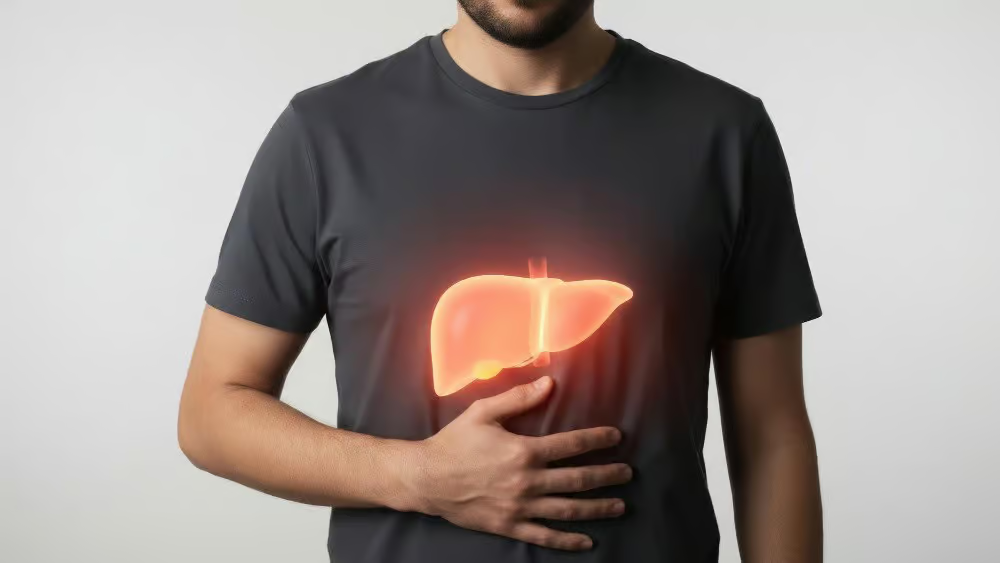
Gallstones (cholelithiasis) are hard formations composed of cholesterol, bile pigments, and other bile components that form inside the gallbladder. In most cases, these stones do not cause problems, but if they block the flow of liver fluids, they can cause severe pain and serious complications, such as infection or inflammation. In this blog, we will discuss in depth what gallstones are, what are the causes, symptoms, and the most advanced treatments.

What are gallstones?
Gallstones are solid particles that form from components of bile – a fluid produced by the liver that helps digest fats. These formations form when the concentration of cholesterol in the bile is too high, when the contents of the bile do not circulate properly, or when the gallbladder does not empty its contents effectively.
There are two main types of gallstones. Cholesterol stones are the most common. They are usually yellow or greenish in color and are formed due to an imbalance of cholesterol in the bile.
Pigment stones are darker and occur more often in patients with chronic bile duct infections or liver disease. They are composed primarily of bilirubin, a pigment produced during the breakdown of red blood cells.
Risk factors
Some people are more prone to developing gallstones due to various biological, hormonal, and lifestyle factors. For example, age over 40 affects the way the body processes cholesterol and the bladder functions.
Also, women, due to higher estrogen levels during pregnancy or from the use of hormonal contraceptives, have a higher risk of stone formation.
Obesity is another critical factor, as high amounts of body fat affect the concentration of cholesterol in bile. Similarly, losing weight too quickly, especially through extreme diets or bariatric surgery, can lead to an imbalance of bile and the formation of gallstones.
A diet high in refined carbohydrates and low in fiber also increases the risk of gallstone formation. Diabetes and some liver diseases are closely linked to this condition due to their impact on fat metabolism and gallbladder emptying.

The main symptoms of gallstones
Many people with gallstones do not show any symptoms for years. These cases are called “silent cholelithiasis” and are often discovered incidentally during examinations for other health problems. However, when a stone blocks a bile duct, it can lead to an attack called “biliary colic.”
The most common symptom is sudden, intense pain in the upper right side of the abdomen, often after a high-fat meal. This pain can last from 30 minutes to several hours and is often accompanied by nausea, vomiting, and bloating.
In more severe cases, the patient may experience yellowing of the skin and eyes, high fever, and chills, which are signs of an infection of the bladder or bile ducts.
When is gallbladder removal necessary?
The decision to remove the gallbladder is not taken lightly, but it is often necessary when the stones cause the symptoms mentioned above. If the pain recurs frequently and affects the patient's daily life, surgical intervention is the best solution.
Also, if the patient has had an episode of acute cholecystitis – inflammation of the gallbladder – it is recommended that it be removed to avoid future complications.
Complications that can occur from not removing the gallbladder include acute pancreatitis, obstructive jaundice, and dangerous infections that may require emergency treatment.
In some cases, even when the patient has no symptoms, if there is a risk of developing bladder cancer (although rare), surgery may be considered as a preventive measure.

Types of surgical treatment
There are two main forms for surgical intervention to remove the gallbladder: laparoscopic cholecystectomy and open cholecystectomy.
Laparoscopic cholecystectomy It is the most modern and widely used method today. It is performed through several very small incisions in the abdomen, where cameras and surgical instruments are inserted to remove the bladder without the need for a large incision.
This type of surgery brings many advantages such as less pain, shorter hospital stays, less chance of infections, and much faster recovery – often within 7-14 days.
Open cholecystectomy It is used less frequently and usually in cases where laparoscopy is not possible, for example when there has been widespread infection or when the patient has had previous abdominal interventions that make minimal intervention difficult.
Recovery in these cases is slower and post-operative pain may be more pronounced.
| Type of intervention | Laparoscopic Cholecystectomy | Open Cholecystectomy |
| Surgical incision | Small, 3-4 cuts | Large, single cut |
| Recovery time | 1-2 weeks | 4-6 weeks |
| Postoperative pain | Easy | More intense |
| Risk of infections | Lower | Higher |
| Hospital stay | 24 hours | 3-5 days |
Can stones be treated without surgery?
In rare cases, when the stones are small and the patient has no visible symptoms, doctors may recommend conservative treatment without surgery. One option is the use of ursodeoxycholic acid – a substance that helps dissolve cholesterol stones.
However, this treatment is slow, takes months, and has a low success rate, especially when the stones are large.
Another method is lithotripsy, which uses shock waves to break up stones. This technique is rarely used because small fragments of stones can block the bile ducts and cause other complications. For these reasons, surgery remains the safest and most effective form of treatment for most patients.

After gallbladder removal surgery: How to take care of yourself?
Recovery after gallbladder removal varies from patient to patient, but it usually follows a clear path. In the first few days after surgery, it is important to rest and avoid strenuous physical activity.
Food should be easy to digest and high in fiber, including soups, rice, soft fruits, and fat-free dairy products.
For several weeks, it is recommended to avoid fried foods, chocolate, caffeine products, and alcohol, which can irritate the digestive system.
Drink enough water and walk moderately every day to promote blood circulation and prevent complications such as blood clots.
After two weeks, most patients return to work and normal activities, however, they should follow their doctor's advice to avoid physical exertion for several more weeks.
Gallstone treatment near Family Hospital
Family Hospital offers a comprehensive approach to patients suffering from gallstones. From initial diagnosis to post-operative follow-up, patients are under the care of a multidisciplinary team consisting of gastroenterologists, abdominal surgeons and dietitians.
The modern technology we use for diagnosis includes abdominal ultrasound, magnetic resonance imaging (MRCP), and advanced laboratory tests to assess liver function and prevent potential complications.
Laparoscopic surgery is performed by specialized doctors with international experience, under conditions of high sterility and with state-of-the-art equipment. After the intervention, patients are assisted by a dedicated rehabilitation team, offering emotional support, nutritional advice and regular check-ups to ensure complete recovery.
cONcluSiON
Gallstones are a problem that often goes unnoticed, but when they become symptomatic, they can cause serious problems. Surgical treatment through cholecystectomy, especially with the laparoscopic technique, is a safe, quick, and effective procedure.
If you have recurring abdominal pain or nausea after eating, it's time to consult a specialist. At Family Hospital, personalized care and modern technology come together to provide you with fast and reliable solutions for gallstones.

Frequently asked questions about gallstone removal
What are the most common symptoms that indicate I have gallstones?
The most common symptoms include sharp pain in the upper right side of the abdomen, especially after eating fatty meals. It may be accompanied by nausea, vomiting, bloating, and in more severe cases, fever.
How long does gallbladder removal surgery take?
A laparoscopic cholecystectomy usually takes 45-90 minutes. The total time depends on the patient's condition and whether the procedure is performed under normal or emergency conditions.
Is laparoscopic surgery safe?
Yes, laparoscopic surgery is one of the safest procedures in abdominal surgery. Complications are rare when performed by an experienced team and under standardized conditions.
Will I have problems after gallbladder removal?
No. Your body can function normally without teeth. There is a gradual adaptation, and after a few weeks most people do not experience significant changes in digestion.
Can stones return after the gallbladder is removed?
No, because the gallbladder is the organ where stones form. Once it is removed, there is no longer an environment for new stones to form.
Can I avoid surgery if I have no symptoms?
In cases where gallstones are not causing problems, surgery may be postponed. However, your doctor may recommend removal as a preventative measure if the risk of complications is high.
How long does it take to fully recover after surgery?
After laparoscopic surgery, most patients return to normal activities within 1-2 weeks. After open surgery, this time can be extended to 4-6 weeks.
Is there a diet I should follow after gallbladder removal?
Yes, an easily digestible diet with foods rich in fiber and low in fat is recommended to facilitate the body's adaptation without nausea. Fried foods, saturated fats, and alcohol should be avoided for several weeks.