English
  Albanian

High blood pressure, also known as hypertension, is one of the most common health problems in the world, affecting millions of people directly or indirectly. In Albania, cases of hypertension are increasing and many people do not know they suffer from this problem until they experience serious consequences. This blog aims to inform you about the symptoms, risks and the best way to manage high blood pressure.
What is high blood pressure?
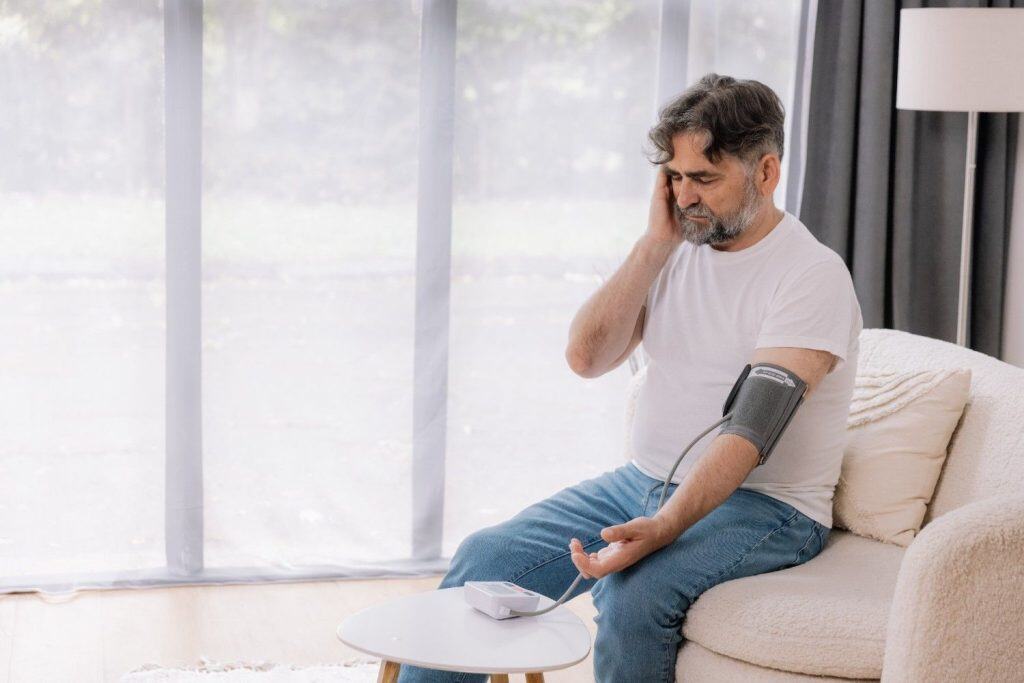
High blood pressure is a condition that occurs when the force with which blood exerts pressure on the walls of blood vessels is higher than normal. This pressure can damage blood vessels, the heart, brain, and other organs if left untreated.
Normal blood pressure values are usually below 120 mmHg for systolic pressure (the top number) and below 80 mmHg for diastolic pressure (the bottom number). If blood pressure is 130/80 mmHg or higher, it is considered hypertension.
| Systolic value (mmHg) | Diastolic Value (mmHg) | Distribution |
| < 120 | < 80 | Normal |
| 120 – 129 | < 80 | High voltage (first phase) |
| 130 – 139 | 80 – 89 | Stage 1 hypertension |
| 140 – 179 | 90 – 119 | Stage 2 hypertension |
| ≥ 180 | ≥ 120 | Health emergency |
Symptoms of high blood pressure
In most cases, high blood pressure does not cause any noticeable symptoms, which is why it is often called the “silent killer.” However, some people may experience:
- persistent headache,
- dizziness,
- vision problems,
- strong heartbeat (palpitations),
- feeling tired,
- confusion,
- vomiting or general malaise.
In rare cases, you may also experience nosebleeds. It should be noted that these symptoms are not specific to hypertension and can also be related to other health problems.
The dangers of high voltage
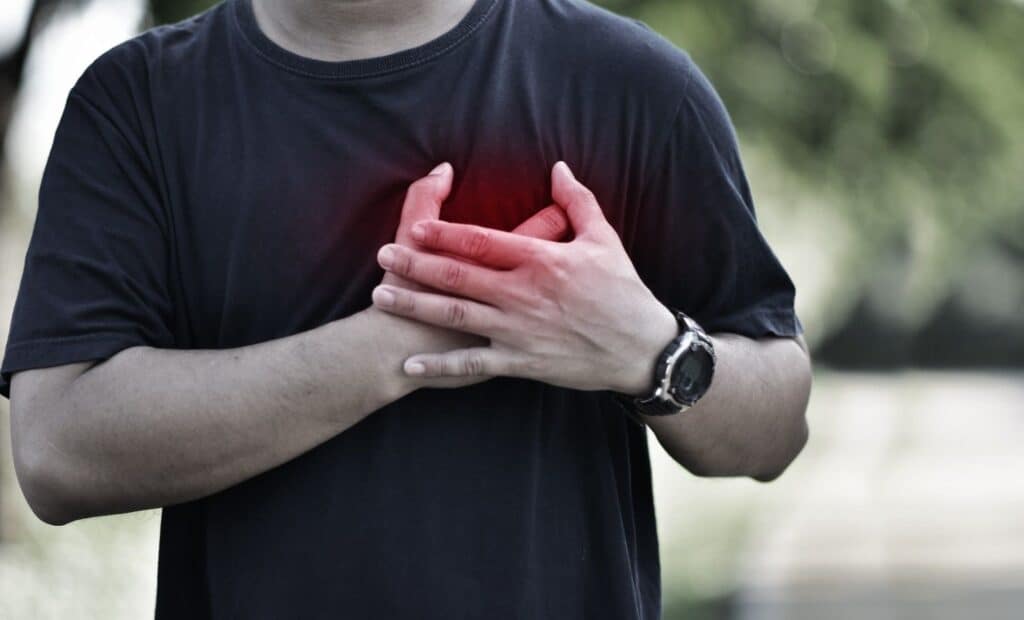
Hypertension that is not treated properly can have very serious health consequences. The greatest risk is to the heart, as high pressure forces the heart to work harder, which increases the risk of having a heart attack.
It can also cause stroke as a result of blood vessel damage or blood clots.
Hypertension is also one of the main causes of kidney failure, as it damages the blood vessels that supply these organs. It can also affect vision, damaging the retina of the eyes and in some cases causing partial or complete loss of vision.
Another serious risk is the formation of aneurysms, which are dangerous bulges of blood vessels that can burst and cause life-threatening conditions.
Causes and risk factors
Hypertension is divided into two main types: primary (or essential) hypertension, which has no clear cause but is related to factors such as age, genetics and lifestyle; and secondary hypertension, which is caused by another disease such as kidney problems, hormonal disorders or the use of certain medications.
The factors that influence the development of hypertension are numerous. Being overweight or obese significantly increases the risk, as does excessive salt consumption. A sedentary lifestyle, lack of physical activity, smoking, and frequent alcohol consumption severely damage cardiovascular health.
Chronic stress and age also contribute to high blood pressure. If you have a family history of hypertension, you are more likely to have it.
How does hypertension affect quality of life?
In addition to serious health risks, high blood pressure also affects the quality of daily life. People suffering from hypertension often feel tired, unfocused, and may experience sleep problems.
Ordinary activities, such as walking, climbing stairs, or exercising, can become more difficult due to fatigue or dizziness. This condition, if left untreated, can also lead to anxiety or depression, negatively affecting the individual's mental and emotional well-being.
Hypertension and food: what to eat and what to avoid
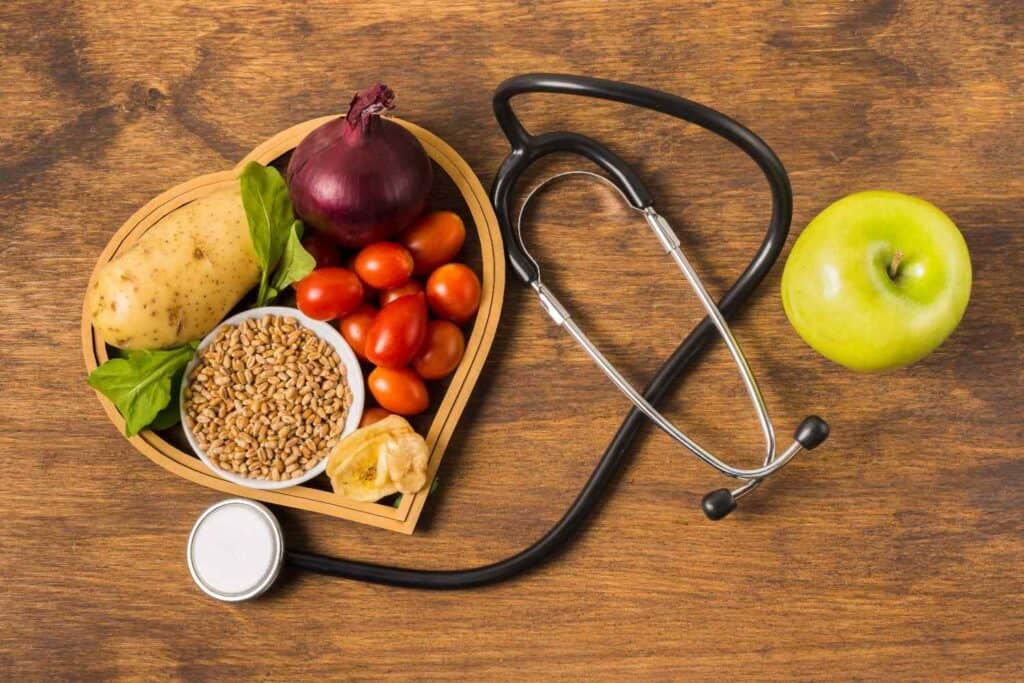
One of the most effective ways to manage hypertension is through careful nutrition. Fresh fruits and vegetables, especially those containing potassium such as bananas, potatoes and spinach, help lower blood pressure. Whole grains, seeds, nuts and fish rich in omega-3 fatty acids are also beneficial.
Meanwhile, avoid excess salt, processed foods, fatty meats, and carbonated drinks. Products high in sugar and saturated fats worsen the condition. It is important to read product labels to check for sodium and hidden sugar content.
Hypertension at a young age: a growing risk
Although long thought to be a problem that mostly affects the elderly, hypertension is increasingly occurring in young people. Daily stress, irregular schedules, lack of sleep, and an unhealthy diet are among the factors that influence its occurrence.
Young people often don't take high blood pressure seriously and may not measure it at all, leaving it uncontrolled for a long time. Early education and regular checkups are essential to prevent long-term problems.
How is hypertension diagnosed?
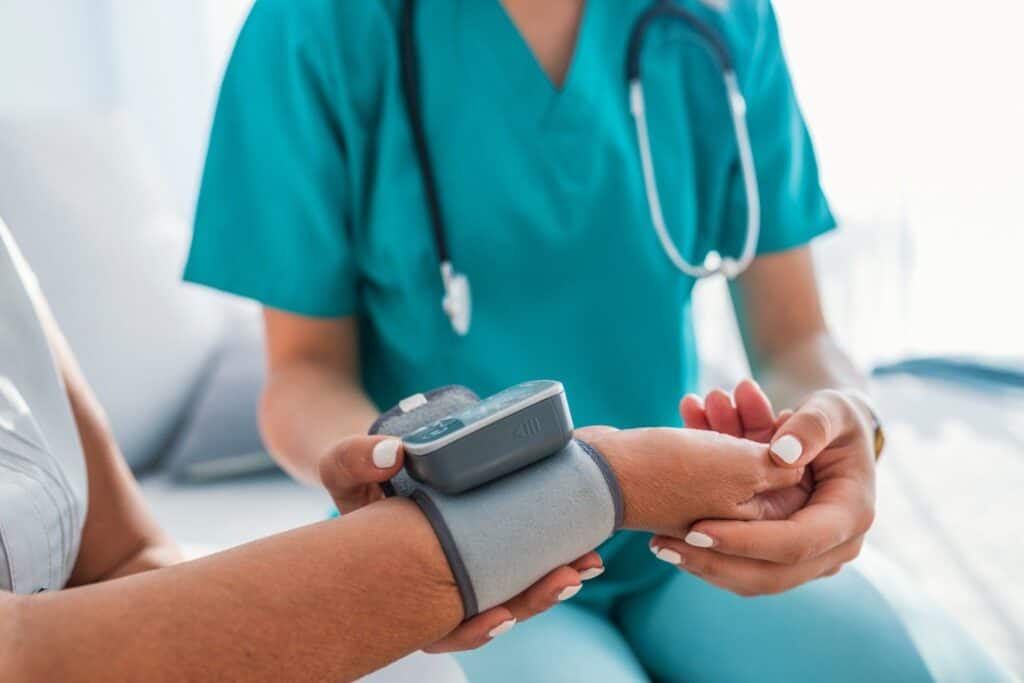
The diagnosis of hypertension is made by measuring blood pressure with a special device. If the blood pressure is high in several consecutive measurements, usually on different days, then the diagnosis can be confirmed.
The doctor may also request other ancillary tests, such as blood and urine tests to assess organ function, an electrocardiogram (ECG) to check the heart rhythm, and sometimes an echocardiogram to assess whether the heart is affected by hypertension.
How can you control high blood pressure?
Controlling blood pressure requires a combined approach, with lifestyle changes being the first and often most important step. A healthy diet is essential. Eat more fruits, vegetables, whole grains, and low-fat dairy products. The DASH (Dietary Approaches to Stop Hypertension) diet is one of the most recommended by doctors.
Reducing your salt intake is essential. Aim to eat no more than 5 grams of salt per day. Regular exercise, such as walking for 30 minutes daily or doing aerobic activities, can significantly help reduce blood pressure. Also, if you are overweight, losing even a few pounds can make a big difference!
In addition, it is essential to stop smoking and reduce alcohol consumption. Stress should be actively managed through various relaxation techniques such as yoga, meditation or simply rest and good sleep.
In cases where these measures are not enough, the doctor will recommend medications. These include diuretics (which help remove excess fluid), beta-blockers (which slow the heart rate), ACE inhibitors, and calcium antagonists. The choice of medication depends on the patient's health condition and any other concomitant diseases they may have.
The importance of regular monitoring
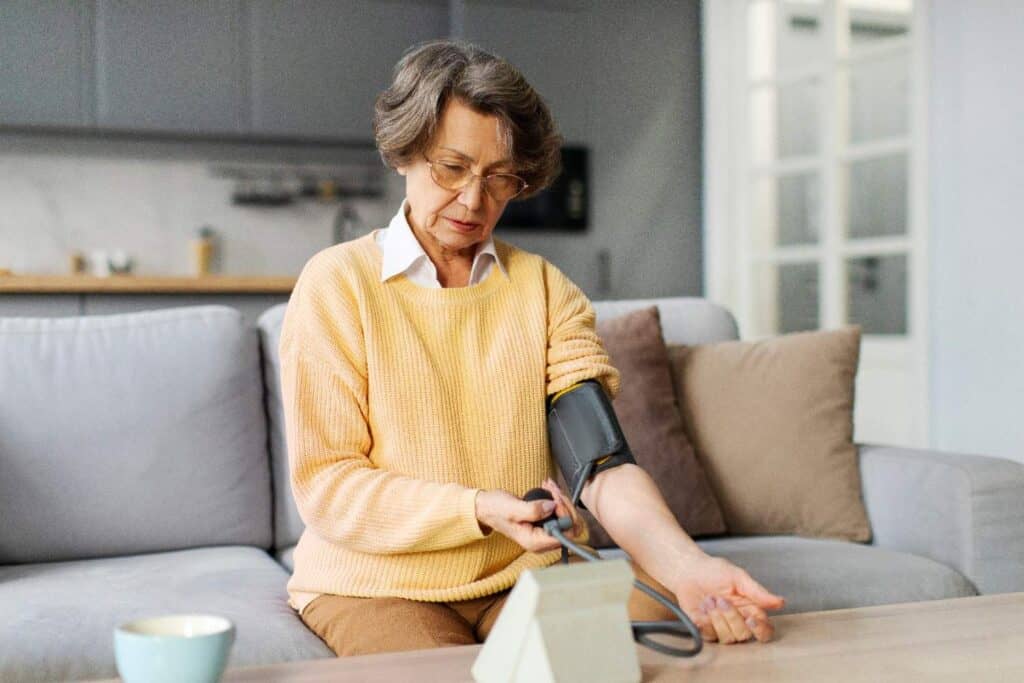
Regular blood pressure monitoring, whether at home or in a health center, is the best way to track your progress and assess the effectiveness of your treatment. If you are being treated with medication, monitoring helps your doctor adjust your dose as needed.
Many people choose to have an electronic blood pressure monitor at home. This is especially useful for those who have been diagnosed with hypertension, as it allows them to be more aware of their condition and react in time in the event of any sudden changes.
When should you consult a cardiologist?
There are times when high blood pressure becomes a medical emergency. If you experience severe headaches, blurred vision, confusion, chest pain, sudden fainting, or nausea, you should seek medical help immediately! These may be signs of a hypertensive crisis that requires emergency intervention.
How does Family Hospital help manage high blood pressure?
Treating high blood pressure requires not only medical follow-up, but also ongoing support from professionals. In Family Hospital, we place special emphasis on the long-term management of hypertension by offering an integrated approach that combines diagnosis, treatment and patient education. Family Hospital offers:
- Personalized care for each patient according to their needs
- Regular blood pressure checks
- Consultation with cardiologist specialists
- Nutrition and physical activity counseling
- Treatment with carefully selected medications
- Long-term follow-up and periodic assessment of treatment progress
concluSIon
High blood pressure is a serious but treatable condition. With a little care and attention to your body, you can avoid serious complications and live a long, healthy life.
Lifestyle changes are the foundation of hypertension prevention and management, while ongoing medical care is the key to success!
Don't neglect your health – a checkup today could save your life tomorrow!
Contact Family Hospital for a cardiology visit and a personal health plan based on your needs.